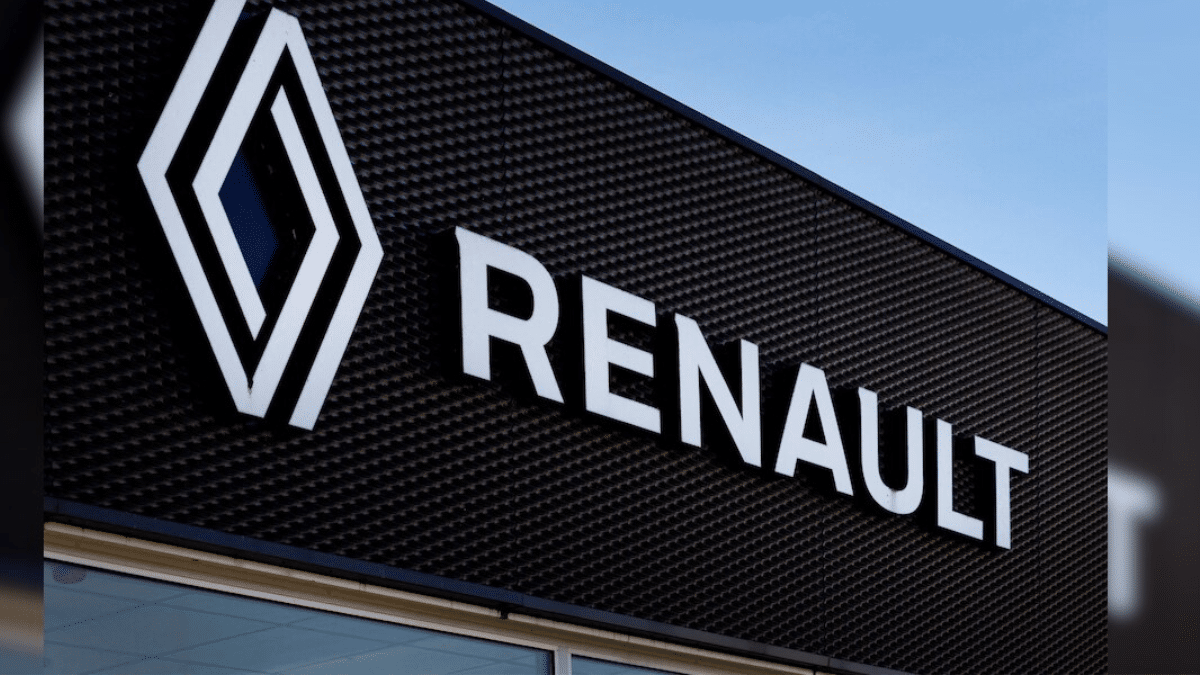

Renault is sharpening its focus on India with a clear long-term goal—achieving a 5% market share through a dedicated standalone strategy. This marks a significant shift in the company’s approach as it looks to rebuild and expand its presence in one of the world’s fastest-growing automobile markets.
At the core of this strategy is an “India-focused” approach, where operations are streamlined under a single leadership structure. By functioning independently, the company aims to improve decision-making speed, operational efficiency, and alignment with local consumer preferences.
Currently, Renault holds a relatively small share of the Indian passenger vehicle market. The 5% target is ambitious, but the company sees strong potential driven by increasing demand for SUVs, feature-rich vehicles, and electrified mobility solutions.
To support this growth, Renault is planning a significant expansion of its product lineup. The company aims to build a broader portfolio over the coming years, including new SUVs, hybrid models, and electric vehicles tailored for Indian customers.
🚀 Join Our Tech Community!
Get the latest news, updates, and tech trends delivered straight to your phone. Never miss an update!
Localization will play a crucial role in this strategy. By increasing local manufacturing and sourcing, Renault intends to reduce costs, improve competitiveness, and strengthen its supply chain within India. This also supports its vision of using India as a hub for production and exports.
Exports are expected to become an important part of the company’s future plans. Renault is looking to leverage its Indian operations to serve global markets, positioning the country as a key manufacturing and engineering base.
Electrification is another major focus area. The company plans to introduce electrified powertrains, including hybrid and electric models, as part of its long-term roadmap. These vehicles are expected to be adapted specifically for Indian driving conditions and consumer needs.
However, the path ahead is not without challenges. The Indian automotive market is highly competitive, with strong domestic players and established global brands. To achieve its target, Renault will need consistent product launches, competitive pricing, and strong brand positioning.
Despite these challenges, the company’s renewed focus and structured strategy indicate a serious commitment to growth in India. By combining localisation, product expansion, and electrification, Renault aims to strengthen its foothold and become a more significant player in the market.
In summary, Renault is pursuing a bold standalone strategy to achieve a 5% market share in India. With a clear roadmap and focus on long-term growth, the company is positioning India as a key pillar of its global automotive strategy.