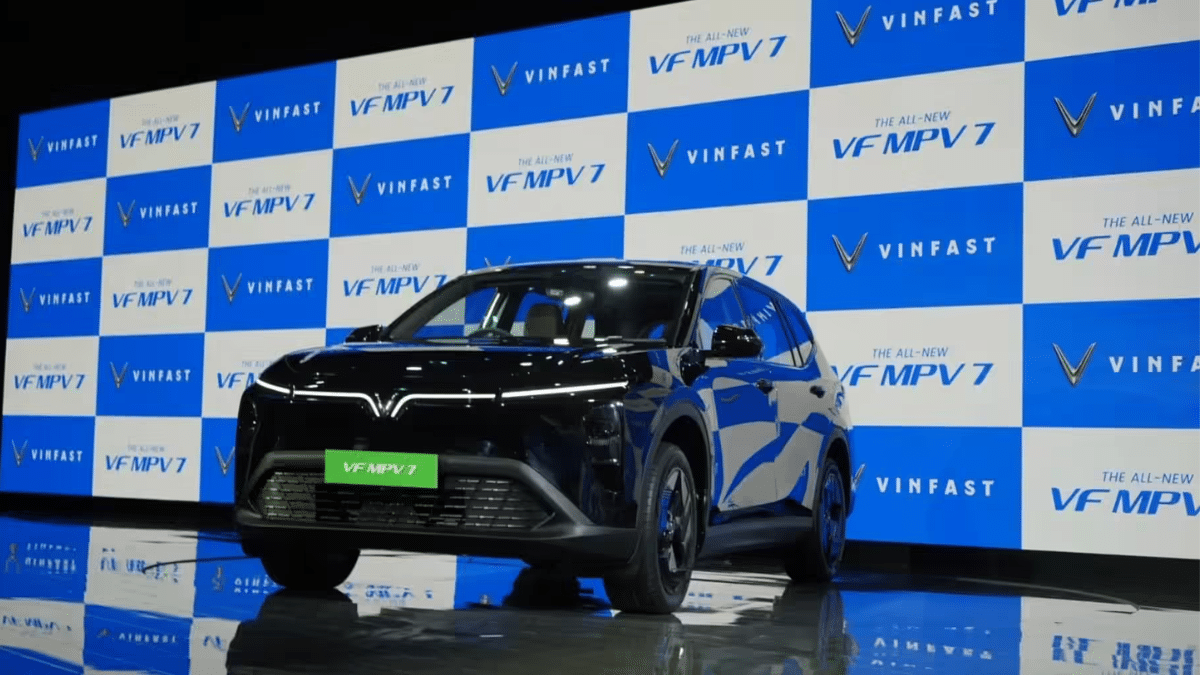

India’s electric vehicle market is entering a new phase, moving beyond compact city cars toward larger, more practical options. Automakers like VinFast, Mahindra & Mahindra, and BYD are now preparing for intense competition in the family EV segment, particularly in the 7-seater category.
This shift reflects changing consumer preferences. Indian buyers are increasingly looking for electric vehicles that can accommodate families, offer more space, and support longer journeys, rather than just serving as urban commuting solutions.
The demand for multi-purpose vehicles and SUVs is already strong in the traditional fuel segment, and this trend is now extending into electric mobility. Automakers are responding by developing spacious EVs with improved range, comfort, and advanced features.
VinFast has signaled its intent to capture this segment early with a focus on family-oriented electric MPVs. These vehicles are designed to offer practical seating, modern interiors, and competitive driving range tailored for Indian road conditions.
🚀 Join Our Tech Community!
Get the latest news, updates, and tech trends delivered straight to your phone. Never miss an update!
At the same time, Mahindra & Mahindra is strengthening its EV portfolio with new-generation electric SUVs built on dedicated platforms. These models aim to combine performance with long range, making them suitable for both city use and extended travel.
BYD is also expanding its presence in India with premium electric MPVs and SUVs, targeting customers who prioritize technology, comfort, and higher driving range.
The competition is not limited to these brands alone. Several other domestic and global players are entering this space, making it one of the most dynamic and competitive segments in India’s automotive industry.
Multiple factors are driving this shift toward family EVs. Improvements in battery technology are enabling longer driving ranges, while the expansion of charging infrastructure is gradually reducing range anxiety. Additionally, rising environmental awareness is encouraging consumers to consider electric mobility for everyday and long-distance use.
Technology is becoming a major differentiator in this segment. Buyers now expect features such as connected car systems, advanced driver assistance technologies, and premium interiors. Automakers are incorporating these elements to enhance the overall ownership experience.
However, challenges remain. High upfront costs continue to be a barrier for many buyers, and charging infrastructure is still developing in several regions. For family vehicles, reliability and convenience are critical, making these challenges even more significant.
Despite these hurdles, the outlook for the segment remains strong. The growing interest from multiple manufacturers and the increasing number of product launches indicate that the family EV space is set for rapid expansion in the coming years.
In summary, India’s EV market is evolving toward more practical and family-oriented vehicles. With VinFast, Mahindra & Mahindra, and BYD leading the charge, the competition in this segment is expected to intensify, bringing more choices and advanced technology to Indian consumers.