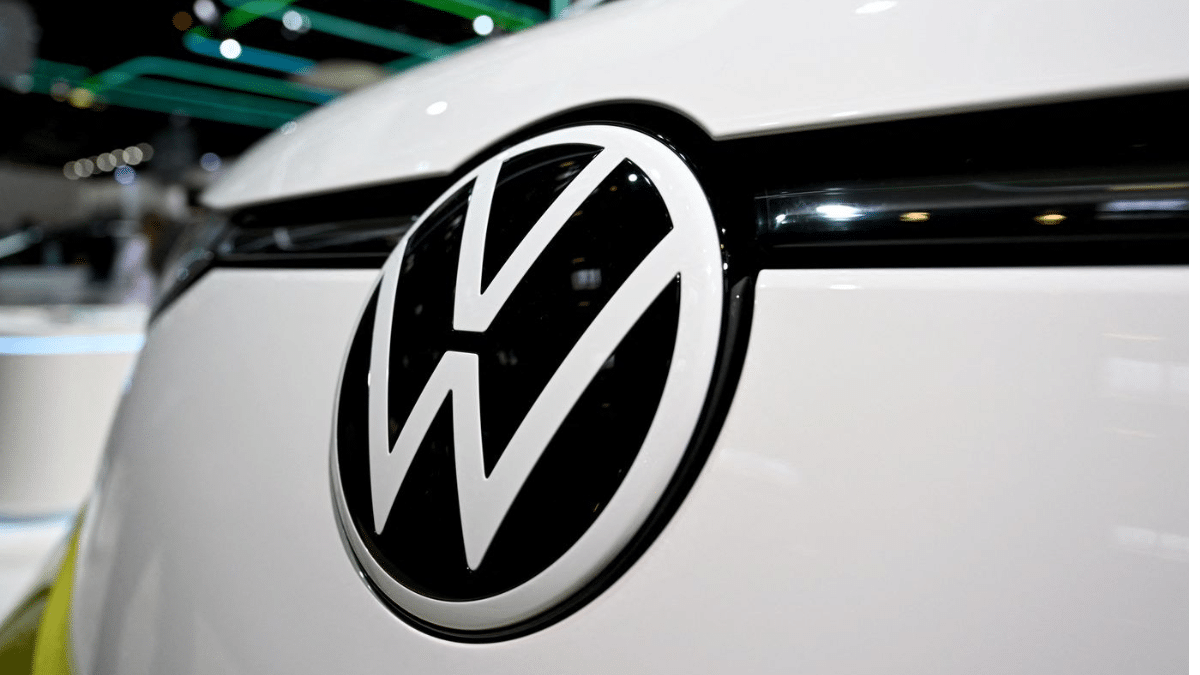

The global automotive industry is undergoing a major transformation, and several large car manufacturers are restructuring their operations to remain competitive. One of the biggest developments in the sector comes from Volkswagen Group, which has announced plans to significantly reduce its workforce.
The German automaker is preparing to cut around 50,000 jobs over the coming years as part of a major cost-reduction strategy. The decision comes after the company reported a sharp decline in profits and faces increasing pressure from global competition and changing market conditions.
Profit Decline Forces Major Cost-Cutting Plan
Volkswagen recently reported a substantial drop in profits, which has raised concerns within the company’s leadership. The decline reflects slower sales growth in key markets, rising production costs, and challenges related to the transition toward electric vehicles.
Company executives believe that the current cost structure is no longer sustainable in the long term. As a result, Volkswagen is planning a series of cost-cutting measures aimed at improving profitability and strengthening the company’s financial position.
🚀 Join Our Tech Community!
Get the latest news, updates, and tech trends delivered straight to your phone. Never miss an update!
The workforce reduction plan is expected to help the company save billions of euros in operational expenses over the next several years.
Job Cuts to Affect Multiple Divisions
The planned job cuts will affect several divisions within the Volkswagen Group. This includes positions across its core passenger vehicle operations as well as some of its premium brands and technology divisions.
Many of the reductions are expected to take place in Germany, where Volkswagen has a large number of employees working in manufacturing, research, and administrative roles. The company is exploring different approaches to reduce the workforce, including voluntary retirement programs and restructuring initiatives.
These measures are part of a broader effort to make the company more efficient and adapt to the rapidly changing automotive market.
Rising Competition in Global Markets
One of the biggest challenges facing Volkswagen is increasing competition in the global automotive industry. Automakers from several regions are rapidly expanding their presence, particularly in the electric vehicle market.
Manufacturers from China have emerged as strong competitors with lower-cost electric vehicles and rapidly advancing technology. This has created additional pressure on traditional European car manufacturers like Volkswagen.
At the same time, demand in some key markets has slowed, making it harder for companies to maintain strong profit margins.
Transition to Electric Vehicles
Another major factor behind Volkswagen’s restructuring plan is the ongoing shift toward electric mobility. The company has invested heavily in electric vehicle development and plans to expand its EV lineup over the coming years.
However, the transition to electric vehicles requires significant investments in technology, battery development, and manufacturing facilities. These investments have increased financial pressure on traditional car manufacturers.
To remain competitive in the EV era, Volkswagen is focusing on improving efficiency, reducing costs, and accelerating innovation.