
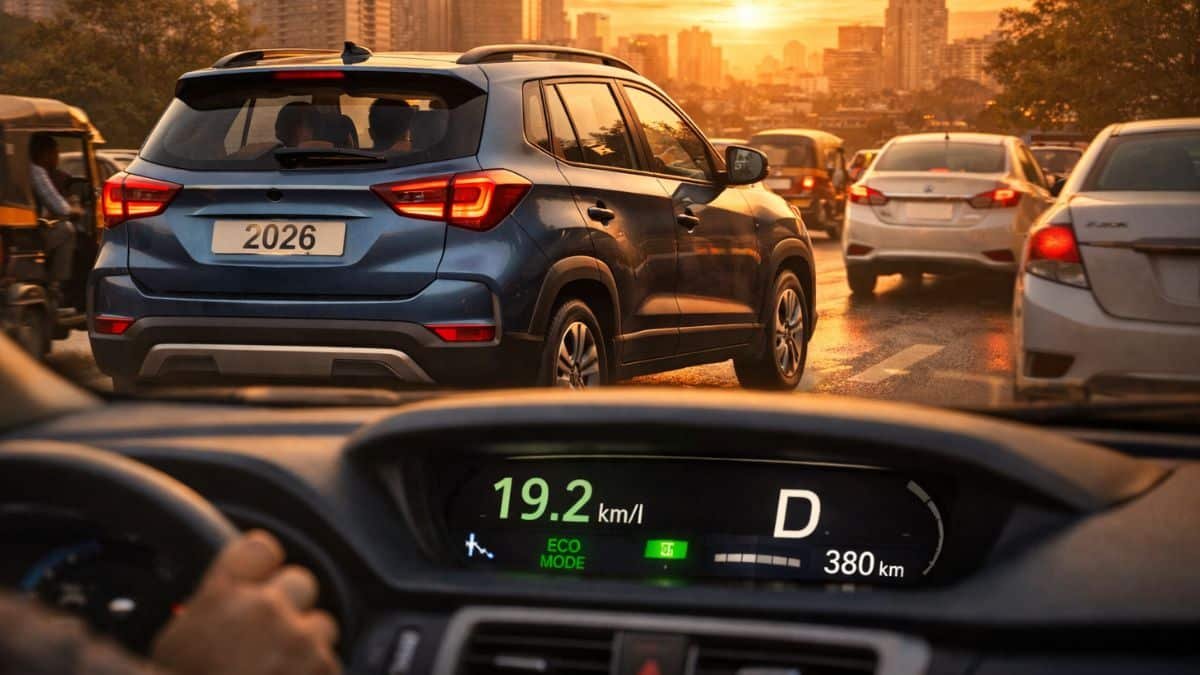

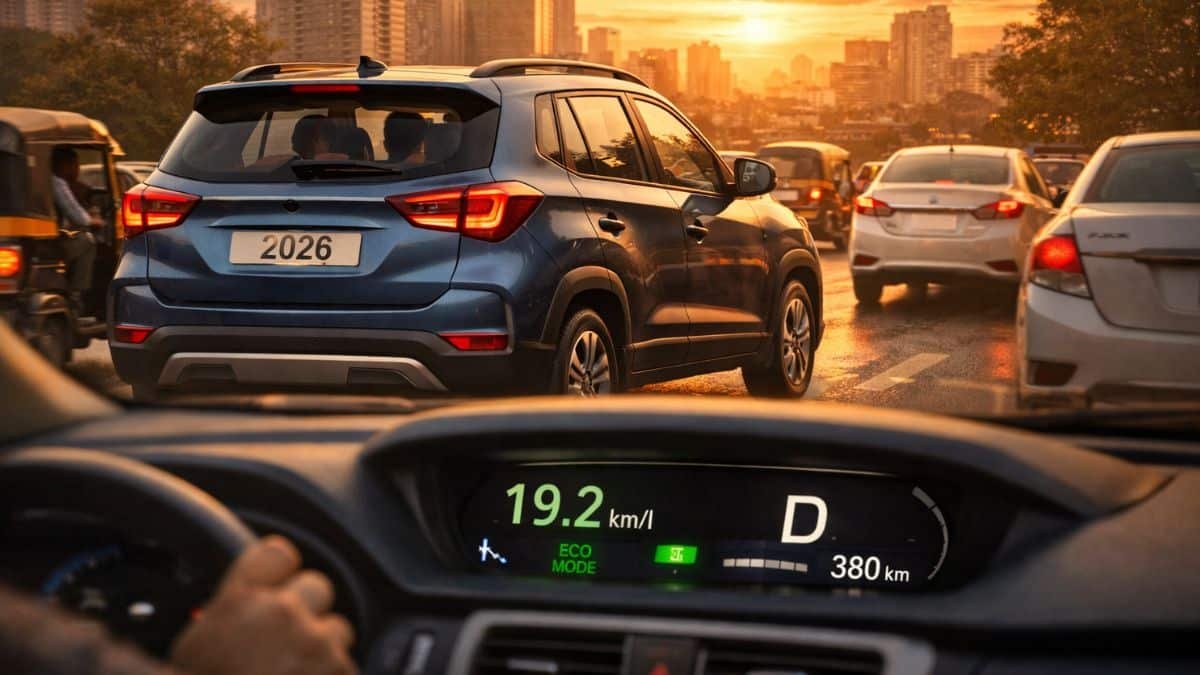
India’s sub-4m SUV space is entering a fresh phase in 2026. Earlier, buyers were driven by design, brand badge, and feature lists. Now, mileage-focused customers are quietly reshaping the segment. With fuel prices still unpredictable and urban traffic worsening, efficiency is becoming the first filter — not the last.
Upcoming compact SUVs are clearly being engineered for cost-conscious ownership rather than just showroom appeal. Here’s what mileage-driven buyers should realistically expect.
A Clear Shift Toward Efficiency-Tuned Engines
Manufacturers are refining 1.0L and 1.2L petrol engines for better fuel efficiency instead of chasing higher horsepower. Expect:
• More tuned-for-economy turbo petrol setups
• Improved idle start-stop calibration
• Better low-RPM torque for city driving
• Reduced friction engine components
🚀 Join Our Tech Community!
Get the latest news, updates, and tech trends delivered straight to your phone. Never miss an update!
Unlike earlier compact SUVs where performance marketing dominated, the 2026 wave will emphasise real-world km/l figures. Buyers have become more aware of Hidden Ownership Costs, and brands know exaggerated claims no longer build trust.
LSI keywords included naturally: fuel efficiency comparison, real-world mileage, maintenance cost analysis.
Strong Hybrid Possibilities in Sub-4m Format
Hybrid tech is slowly moving downward in price segments. While full strong hybrids may still remain rare under ₹12–14 lakh, mild-hybrid systems and improved regenerative charging setups are likely to expand.
Mileage buyers can expect:
• Improved city mileage in stop-go traffic
• Smoother automatic transmissions tuned for efficiency
• Lower dependency on pure petrol consumption
However, buyers should remain cautious about battery-related longevity, especially after discussions around EV Battery Degradation in Indian conditions. Even mild hybrid systems must prove durability in extreme heat cycles.
Lighter Platforms for Better Mileage
One major expectation is weight reduction. Carmakers are focusing on:
• High-strength lightweight steel
• Smarter platform sharing
• Reduced structural bulk without compromising safety
Lighter vehicles directly improve fuel efficiency and city drivability. But this also raises questions about long-term durability and repair costs — concerns previously seen in Premium Compact SUVs where buyers later discovered higher-than-expected service bills.
Transmission Strategy Will Change
Expect more AMT and CVT tuning for efficiency instead of performance feel.
Mileage-focused buyers will likely see:
• CVTs tuned for smoother RPM control
• AMTs with refined creep function
• Fewer torque-converter automatics in entry variants
Manufacturers understand that real-world mileage in city driving matters more than 0–100 numbers in this segment.
Features That Support Efficiency
Upcoming models may include:
• Tyre pressure monitoring as standard
• Eco driving modes
• Gear shift indicators in manual variants
• Enhanced trip computers showing real-time fuel usage
These small additions help buyers track consumption patterns better and reduce wastage.
Pricing Discipline Will Be Critical
Sub-4m SUVs targeted at mileage buyers cannot afford aggressive price hikes. Value positioning will remain crucial. Instead of adding sunroofs and cosmetic upgrades, brands may focus on:
• Better warranty coverage
• Service package bundles
• Transparent maintenance cost structures
The buyer mindset is shifting from “feature-rich” to “cost-efficient over 5 years.”
What Buyers Should Not Expect
• No dramatic jump in claimed mileage beyond realistic margins
• No miracle fuel savings from cosmetic updates
• No major diesel comeback in this segment
Mileage improvements will be incremental, not revolutionary.