
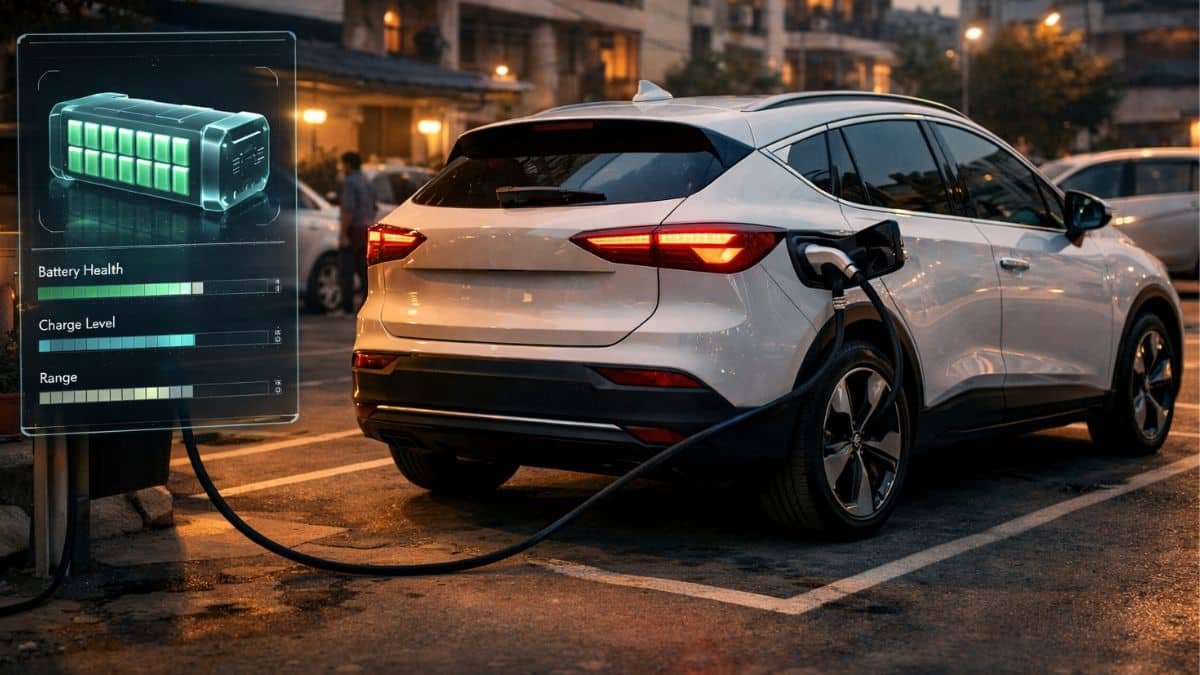

The used EV market in India is slowly gaining momentum. Early adopters who bought electric cars in 2022–2023 are now upgrading, which means more 3-year-old electric vehicles are entering the resale market in 2026.
But the big question remains — is buying one financially smart or quietly risky?
Unlike petrol or diesel cars, EV ownership revolves around one central component: the battery. And in India’s hot climate and varied charging infrastructure, that changes the risk calculation entirely.
Why 3-Year-Old EVs Are Appearing Now
India’s first wave of mass EV adoption began around 2022 when subsidies, state incentives, and rising fuel prices pushed buyers toward electric mobility. Many of these vehicles are now out of the “new car honeymoon phase.”
🚀 Join Our Tech Community!
Get the latest news, updates, and tech trends delivered straight to your phone. Never miss an update!
Owners are upgrading to longer-range models, better charging speeds, or SUVs. This creates opportunity for second-hand buyers — but only if the risks are understood.
The Real Concern: Battery Health
The biggest fear with a used electric vehicle is battery degradation in India climate conditions.
Most EV batteries degrade gradually, losing 2–4% capacity per year under normal usage. However, degradation depends on:
- Frequent fast charging
- Extreme heat exposure
- Driving style
- Charging habits
- Software updates
A 3-year-old EV may still have 85–92% battery health — which is generally acceptable. But without a certified battery health report, you are essentially guessing.
This is very different from evaluating a petrol car where service history and running condition are more visible — similar to how buyers calculate 5-Year Maintenance Cost when assessing long-term ownership patterns.
Battery Warranty: The Safety Net
Most EV manufacturers in India offer:
- 8 years or 1.6 lakh km battery warranty (approximate average)
- Coverage against manufacturing defects
- Performance threshold guarantees (usually around 70%)
If the car is 3 years old, you likely still have 5 years of battery coverage remaining.
But here’s what many buyers miss:
- Is the warranty transferable?
- Was the car serviced only at authorised centres?
- Has any software modification been done?
Always confirm second-hand EV warranty transfer eligibility before making payment.
EV Battery Replacement Cost in India
If something goes wrong outside warranty, EV battery replacement cost India figures can be shocking.
Depending on segment:
- Small hatch EV: ₹3–5 lakh
- Mid-size SUV EV: ₹6–9 lakh
This is why resale value depends heavily on remaining warranty years. Once battery coverage drops below 3 years, used electric car resale value tends to fall faster.
Charging History Matters More Than You Think
A car primarily charged at home (slow AC charging) ages better than one regularly using DC fast chargers.
Frequent fast charging increases thermal stress. In cities with dense commercial charging use, battery wear can accelerate.
Ask for:
- Charging pattern history
- Service diagnostics report
- Software update logs
This technical evaluation is as critical as understanding gearbox durability when buyers compare Gearbox Reliability in Indian driving conditions in conventional cars.
Depreciation Curve of Used EVs
EV depreciation is currently steeper than petrol cars due to:
- Rapid tech evolution
- New model launches with better range
- Battery anxiety among buyers
However, after 3 years, most EVs have already taken their biggest depreciation hit. This can make them attractive if priced correctly.
The key is not to compare them with ICE vehicles directly. Ownership logic is different.
When Buying a Used EV Makes Sense
It can be a smart decision if:
- At least 5 years of battery warranty remain
- Verified battery health report available
- Car primarily used for city commuting
- Charging infrastructure available at home
- Price gap vs new model is significant (20–30% lower)
For urban daily commuting, a 3-year-old EV can still offer low running cost and predictable maintenance.
When It Becomes Risky
Avoid buying if:
- Warranty transfer is unclear
- Battery health data is unavailable
- Heavy fast-charging history
- Price difference vs new car is minimal
- Software recall issues unresolved
Electric car ownership risk is not about the drivetrain failing suddenly. It’s about hidden long-term cost uncertainty.