

If you drive daily in bumper to bumper traffic, frequent signals, and uneven roads, your gearbox works harder than you think. In India’s stop go urban environment, automatic transmissions are no longer a luxury. They are becoming the default choice. But when it comes to long term reliability, many buyers still ask: is CVT safer, or does AMT make more sense?
Let us break this down from a real ownership perspective, not brochure claims.
Understanding How CVT and AMT Actually Work
A CVT or Continuously Variable Transmission does not have fixed gear steps. Instead, it uses pulleys and a steel belt to deliver seamless acceleration. That smoothness is what most city drivers appreciate.
An AMT or Automated Manual Transmission is essentially a manual gearbox operated by an electronic actuator. It shifts gears automatically but internally behaves like a clutch based system.
🚀 Join Our Tech Community!
Get the latest news, updates, and tech trends delivered straight to your phone. Never miss an update!
In daily urban commuting, this difference directly impacts gearbox durability, clutch wear, and driving comfort.
From a buyer’s point of view, this becomes even more relevant when you are comparing ownership cost the same way people calculate real installation costs while planning an EV setup at home. The visible price is one thing. Long term stress on components is another.
Reliability in Stop Go Traffic Conditions
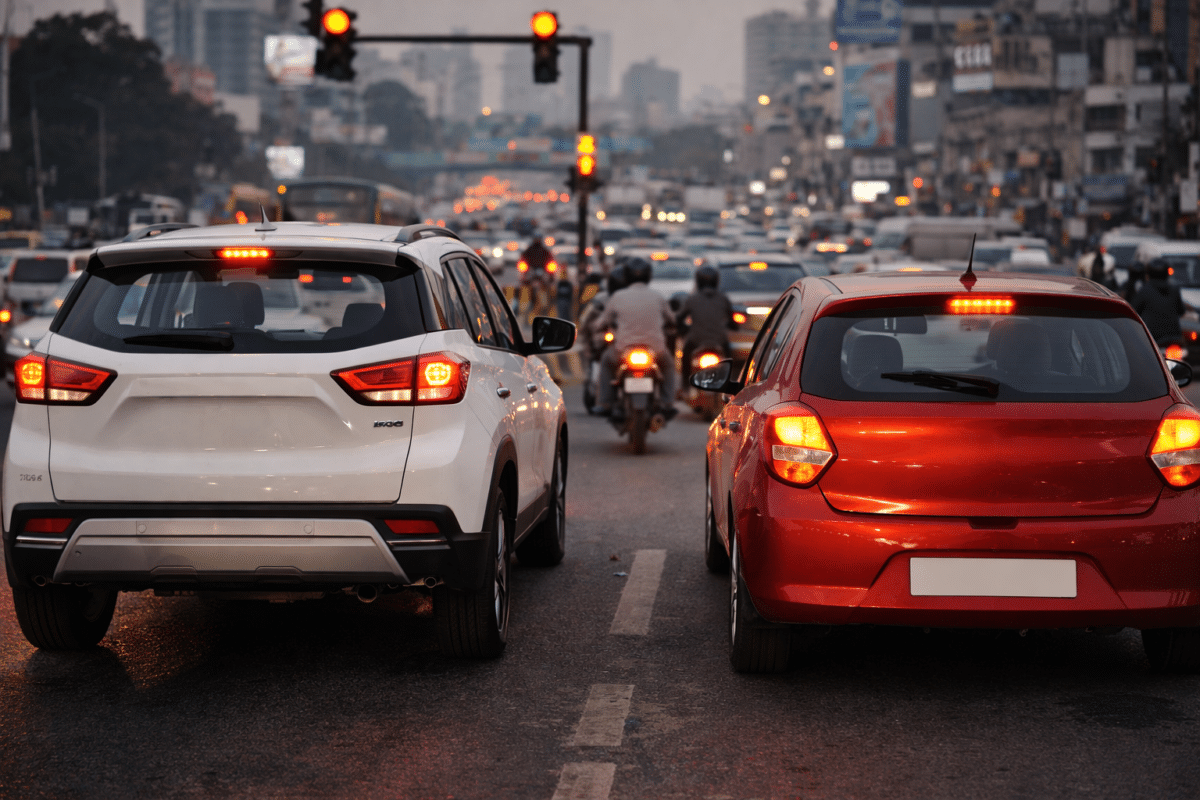
Indian city driving means crawling traffic, half clutch movement, sudden braking, and speed breaker jumps. Here is how both systems handle it.
AMT in heavy traffic
Clutch plate wear is higher in frequent stop start use
Jerky shifts increase mechanical strain over time
CVT in heavy traffic
No traditional clutch wear
Smooth torque delivery reduces mechanical shock
Because AMTs rely on a physical clutch, they can experience faster clutch replacement cycles in dense metro traffic like Mumbai, Bengaluru, or Delhi.
CVTs avoid clutch wear but introduce a different concern. Belt and pulley durability. While modern CVTs are much improved, poor maintenance or aggressive driving can still reduce lifespan.
This reliability comparison becomes even more important in cities where infrastructure approvals and technical compliance matter, similar to how buyers research approval process requirements before installing home EV chargers.
Maintenance and Repair Cost Comparison
Let us talk numbers from an Indian ownership reality perspective.
AMT Maintenance Pattern
Clutch replacement every 60000 to 80000 km depending on traffic
Lower gearbox repair cost
Easier availability of parts
CVT Maintenance Pattern
No clutch replacement
CVT fluid replacement is critical
Major repairs can be expensive
In small hatchbacks and compact SUVs, AMT repairs are generally cheaper. CVT systems, while smoother, can cost more if the transmission assembly fails outside warranty.
However, modern CVTs from Japanese and Korean manufacturers have shown improved reliability in Indian conditions, especially in city focused cars.
Heat Road Conditions and Long Term Durability
Indian driving conditions are unique.
High ambient temperatures
Uneven road surfaces
Frequent crawling traffic
Load heavy driving with full passengers
AMTs, being mechanically simpler, often tolerate rough usage slightly better in budget segments.
CVTs perform exceptionally well in smooth urban runs but require proper fluid maintenance. Ignoring transmission fluid schedules can increase risk.
This hidden maintenance reality is similar to how buyers underestimate hidden expenses when evaluating EV ownership. Gearbox reliability also depends on how disciplined the owner is.
Driving Comfort Versus Mechanical Stress
Comfort directly influences driving behaviour. And behaviour influences reliability.
AMT Characteristics
Noticeable gear shifts
Slight lag during acceleration
Feels mechanical
CVT Characteristics
Seamless acceleration
No shift shock
More refined urban drive
Because CVTs eliminate shift shock, there is less mechanical jerk transferred to drivetrain components. Over time, this may contribute to smoother wear patterns in city use.
However, aggressive throttle inputs in CVTs, especially rubber band effect driving, can increase internal strain.
Which One Is More Reliable in Indian Cities
For budget buyers, AMT makes sense if you want lower repair cost, drive moderately, and prioritise affordability.
For urban comfort seekers, CVT makes sense if you face daily traffic congestion, value smooth acceleration, and follow a strict maintenance schedule.
In pure mechanical durability terms under heavy stop go usage, CVTs may have an advantage due to no clutch wear. But repair cost risk is higher if something major fails.
AMTs may need clutch replacements earlier but are simpler and cheaper to repair.