
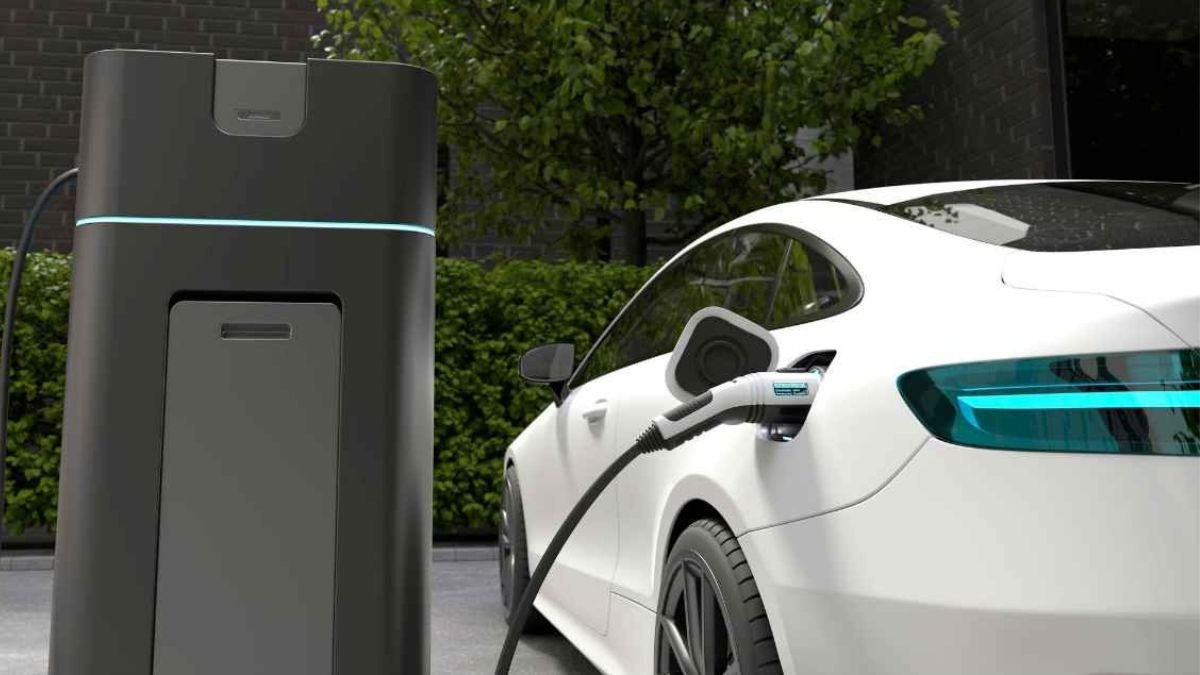

Electric vehicle adoption is expanding beyond metros. Buyers in cities like Indore, Jaipur, Lucknow, Coimbatore, and Nagpur are seriously evaluating EVs as fuel prices remain volatile and state subsidies continue.
However, Tier-2 buyers face a very different ground reality compared to metro cities. Infrastructure maturity, electrician expertise, and housing society awareness are still evolving. That is why understanding the practical side of installation is critical before booking an EV.
Many metro-focused guides explain Approval Process & Hidden Expenses, but in Tier-2 cities, these factors often become the biggest cost drivers.
Why Tier-2 Cities Face Unique Charging Challenges
Unlike newly developed metro apartments, many Tier-2 homes:
🚀 Join Our Tech Community!
Get the latest news, updates, and tech trends delivered straight to your phone. Never miss an update!
- Have older electrical wiring
- Operate on lower sanctioned load
- Lack structured EV policies in housing societies
- Depend on local electricians unfamiliar with EV standards
Even if the vehicle price seems competitive, installation complexity can quickly raise the total cost of EV ownership.
Real Installation Cost Breakdown (2026 Estimates)
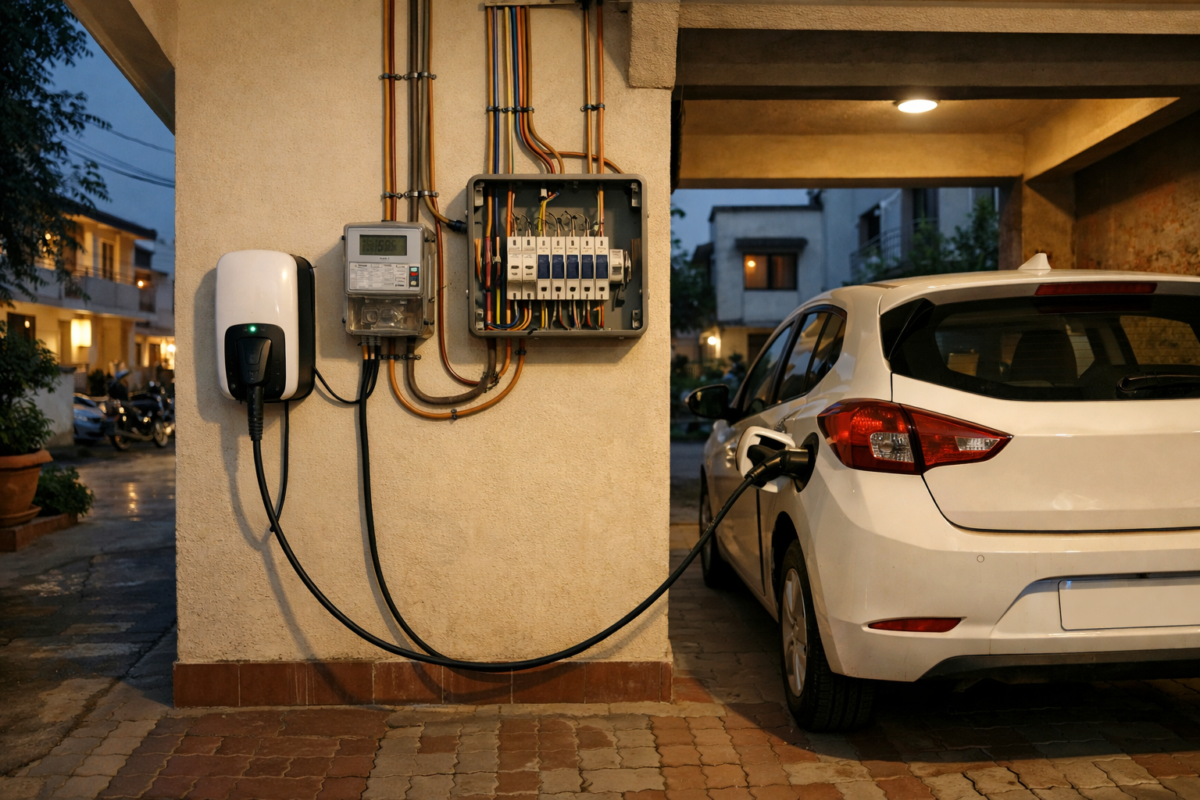
For a typical 7.4 kW AC home charger setup in a Tier-2 city:
Charger unit (OEM supplied): ₹35,000 – ₹55,000
Copper wiring (10–15 meters): ₹8,000 – ₹15,000
MCB + RCCB safety kit: ₹4,000 – ₹8,000
Installation labour: ₹5,000 – ₹12,000
Sanctioned load upgrade (if required): ₹7,000 – ₹20,000
Practical total: ₹60,000 – ₹1,10,000
These numbers vary depending on meter distance, wall drilling needs, cable protection, and distribution board upgrades.
Buyers often research Real Cost aspects, but the on-ground expense depends heavily on home infrastructure condition.
Electricity Load Upgrade: The Silent Budget Breaker
Most Tier-2 homes operate on 3–5 kW load. A standard AC home charger installation requires at least 7 kW.
If upgrade is needed, expect:
- Application to state electricity board
- Additional security deposit
- Meter inspection or replacement
- Waiting period of 7–30 days
If EV delivery arrives before upgrade approval, charging becomes inconvenient.
Apartment Living Complications
Independent houses are simpler. Apartments present hurdles such as:
- RWA approval delays
- Shared meter rooms
- Fire safety clearances
- No dedicated parking slot
Many societies in Tier-2 cities are still drafting EV charging policies, leading to uncertainty for new buyers.
Local Technician Skill Gap
In metro cities, certified installers are easier to find. In smaller cities:
- Electricians may lack EV charger experience
- Earthing may not meet EV safety standards
- Weatherproofing may be overlooked
Improper setup can cause voltage fluctuation, charging interruptions, or long-term battery stress.
Electricity Tariff Reality
EV charging is cheaper than petrol — but not “almost free.”
Domestic electricity slabs often increase after a threshold. In many states, rates above ₹8 per unit are common after certain usage.
Charging a 40 kWh battery may cost ₹320–₹360 per full charge depending on slab structure.
This is still economical but should be factored realistically.
When Home Charging Makes Financial Sense
Home EV charging is practical if:
- Daily driving exceeds 30–40 km
- You have dedicated parking
- Load upgrade is manageable
- You plan long-term ownership (5+ years)
If usage is limited, heavy upfront installation investment may take longer to recover.
Smart Planning Strategy
Before EV delivery:
- Check sanctioned load
- Apply for load upgrade if needed
- Confirm parking wiring route
- Schedule installation in advance
Planning reduces friction and prevents unexpected costs.