

Why ADAS Is Suddenly Everywhere
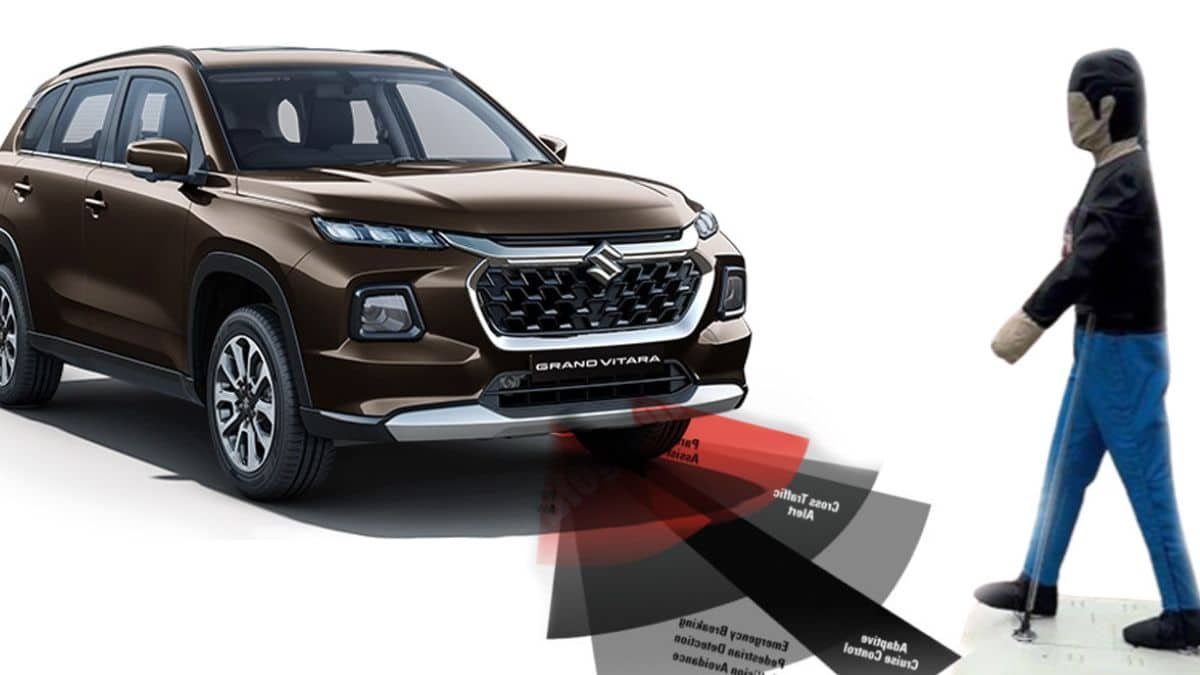
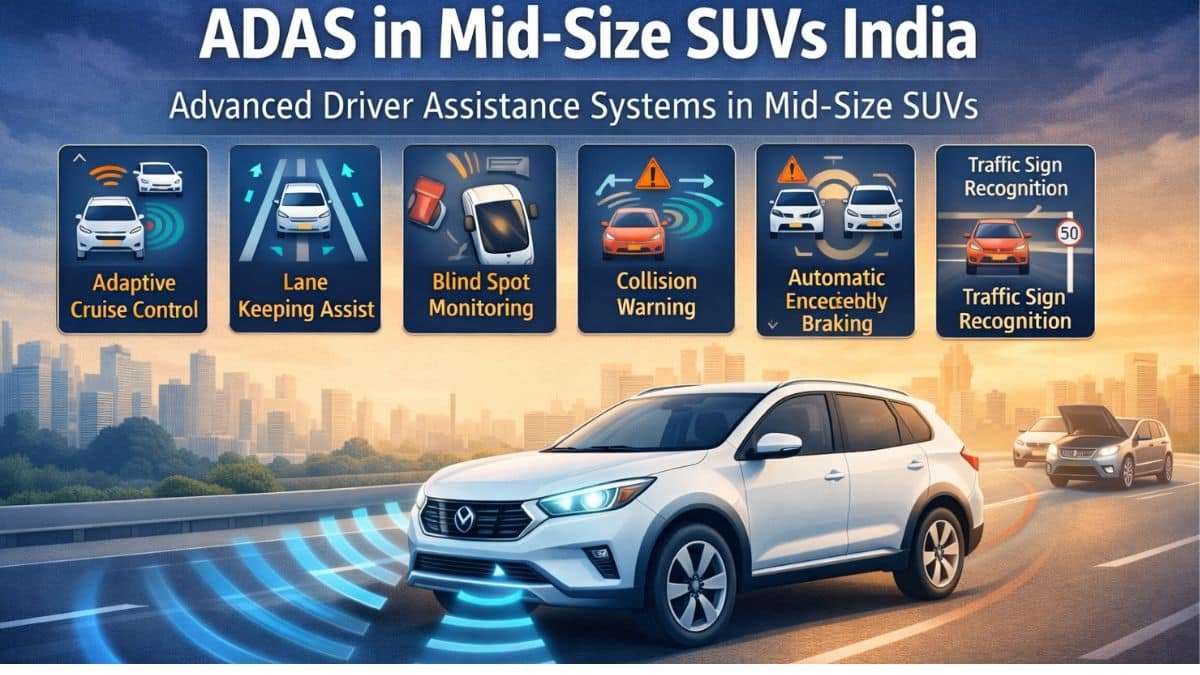
Advanced Driver Assistance Systems are rapidly becoming common in India’s mid-size SUV segment. Features like adaptive cruise control, lane keep assist, forward collision warning, and autonomous emergency braking are now highlighted in advertisements as major upgrades.
But the real question for buyers is simple. Does ADAS genuinely improve road safety in Indian driving conditions, or is it becoming a feature checklist item to justify higher prices?
With rising urban congestion and unpredictable road behaviour, technology sounds reassuring. However, its effectiveness depends heavily on real-world usage patterns.
How ADAS Actually Works on Indian Roads
🚀 Join Our Tech Community!
Get the latest news, updates, and tech trends delivered straight to your phone. Never miss an update!
ADAS relies on radar sensors, cameras, and electronic control units to monitor surroundings. In theory, it reduces driver fatigue and reacts faster than human reflexes in certain situations.
On highways with clear lane markings, adaptive cruise control and lane assist can genuinely improve comfort and reduce stress. But in dense city traffic, especially where lane discipline is inconsistent, the system may disengage frequently or give repeated warnings.
Indian road environments include sudden two-wheeler movement, stray animals, and unclear markings. In such cases, driver attentiveness remains more important than automation.
Real Safety Benefits Buyers Can Expect
ADAS can offer measurable improvements in specific scenarios:
- Emergency braking assistance during sudden obstacles
- Blind spot detection during highway overtakes
These features support accident prevention when used correctly. However, they do not replace defensive driving skills or awareness.
For buyers comparing driving comfort technologies like CVT vs AMT in traffic, ADAS may reduce mental fatigue on long drives, but it does not change the fundamental responsibility of the driver.
Marketing Upgrade or Practical Advantage?
Many mid-size SUVs now bundle ADAS only in top variants, increasing vehicle prices by ₹1–2 lakh. This creates a perception that ADAS is a premium safety layer.
In reality, safety depends more on structural integrity, airbag count, and braking performance than on software alerts. Buyers should evaluate crash test ratings and build quality before focusing purely on technology packages.
Urban EV buyers already calculating EV charging installation cost in apartments should consider whether that same budget could instead be invested in safer tyres, better insurance coverage, or extended warranty.
Ownership Cost and Maintenance Considerations
ADAS systems add complexity. Radar calibration, camera alignment, and sensor replacement can increase repair bills after minor accidents. Insurance premiums may also rise slightly due to higher part costs.
Sensor-based systems require proper calibration after bumper repairs. Misalignment can reduce system accuracy, leading to inconsistent warnings.
While ADAS enhances perceived safety, maintenance awareness is equally important. Understanding advanced driver assistance systems means acknowledging both protection and potential long-term servicing implications.