
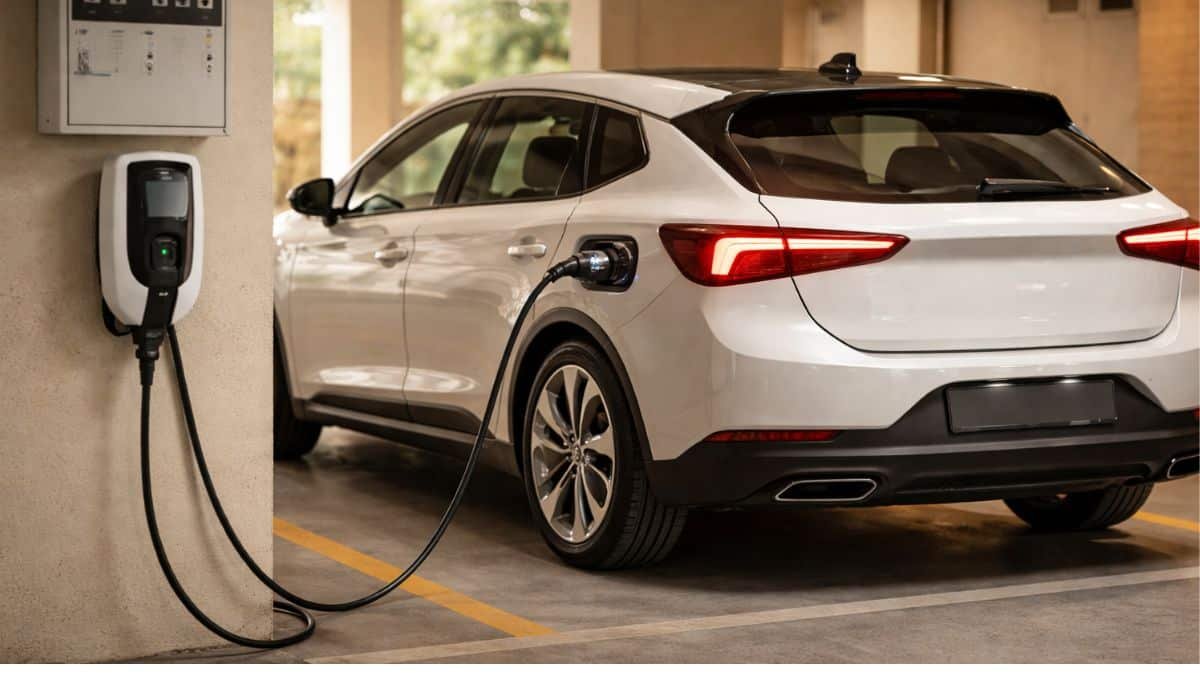

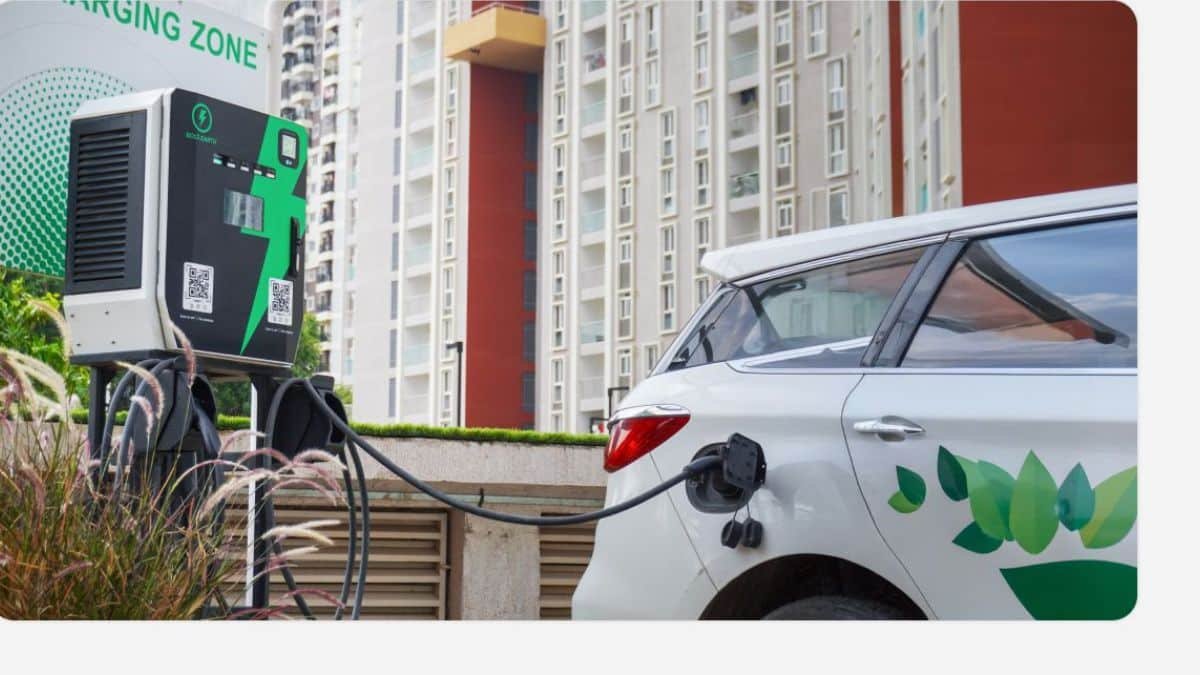
For many urban EV buyers in India, the biggest question is not range — it’s charging access. Independent house owners can usually install a private charger with fewer complications. But for apartment residents, the process involves permissions, wiring feasibility, and shared infrastructure concerns.
Buyers who previously evaluated Real Charging Costs of EVs in public setups often assume home charging will automatically be cheaper. In reality, apartment installation has its own cost layers that must be understood before booking an EV.
What Does Home EV Charging Installation Actually Cost in Apartments?
In India, the total cost typically includes:
• Charger unit (3.3 kW or 7.4 kW AC charger)
• Dedicated wiring from meter to parking
• MCB, earthing, and safety components
• Labour charges
• Society compliance or approval adjustments
🚀 Join Our Tech Community!
Get the latest news, updates, and tech trends delivered straight to your phone. Never miss an update!
Average cost range:
₹40,000 – ₹1.2 lakh depending on wiring distance and electrical load upgrade.
If your parking is far from your electricity meter, cabling cost increases significantly.
Is It Still Cheaper Than Public Charging?
Yes — over time.
Public charging rates in many cities range between ₹16–₹25 per unit. Home charging using residential tariff usually costs ₹6–₹10 per unit.
Over 3–4 years, the savings can offset installation cost, especially for high-usage drivers.
However, this only works if your society allows individual metering or sub-metering. In several Tier-2 locations, charging challenges differ — especially in regions discussed under EVs in Tier-2 Indian Cities where infrastructure gaps increase dependency on public networks.
Apartment Approval: The Real Hurdle
Technically, EV charging is permitted under Indian housing guidelines. But practical challenges include:
• Society permission delays
• Load capacity concerns
• Fire safety compliance
• Shared parking complications
Most modern residential complexes now allow charger installation if the owner bears cost and safety certification.
Older buildings may require electrical load upgrades, which can increase expense.
Load Upgrade and Electricity Connection
Some EV owners must upgrade from 3 kW to 5 kW or 7 kW sanctioned load. This may involve:
• Security deposit to DISCOM
• Meter replacement
• Inspection fees
Cost range: ₹5,000 – ₹25,000 depending on state.
While comparing long-term ownership models like Petrol vs Diesel Cars in 2026, many buyers focus on fuel economics but underestimate electricity connection logistics. EV ownership planning requires infrastructure thinking, not just vehicle pricing.
Practical Benefits of Home Charging
For apartment EV owners who manage installation successfully, advantages include:
• Overnight charging convenience
• Lower per-kilometre cost
• Battery health consistency
• Reduced dependency on public stations
Home charging also supports better battery management because slower AC charging is gentler than frequent fast DC charging.
When Installation May Not Be Worth It
Home EV charging may not make financial sense if:
• You drive under 6,000 km annually
• Society approval is uncertain
• Parking space is not fixed
• Public chargers are easily accessible nearby
In such cases, using public networks strategically may be more practical.
Market trends also show that uncertainty around new launches, including topics like Mass-Market EV Launches, sometimes makes buyers delay installation decisions until long-term EV adoption becomes clearer.
Long-Term Ownership Impact
For apartment residents planning to keep their EV for 5–7 years, installation cost becomes easier to justify.
Example scenario:
If you save ₹6–₹8 per unit compared to public charging and drive 12,000 km annually, yearly savings could reach ₹15,000–₹25,000 depending on efficiency.
Over five years, that offsets most installation costs.
Additionally, having a private charger can improve resale appeal in metro cities, where charging access is a strong buying factor.
Safety and Compliance Matters
Always ensure:
• BIS-certified charger
• Proper earthing
• Separate MCB
• Certified electrician installation
Avoid unofficial wiring setups, as insurance claims may be affected during electrical incidents.
Final Verdict
For apartment owners in India, home EV charging installation is worth the cost if:
• You drive regularly
• You plan long-term ownership
• Society permits installation
• Wiring distance is manageable
It is not just about electricity savings — it is about convenience, battery care, and long-term cost predictability.
Urban EV adoption will increasingly depend on how smoothly apartment charging becomes standard practice.
For serious EV buyers in metro and Tier-2 cities, infrastructure planning is now as important as vehicle selection.