
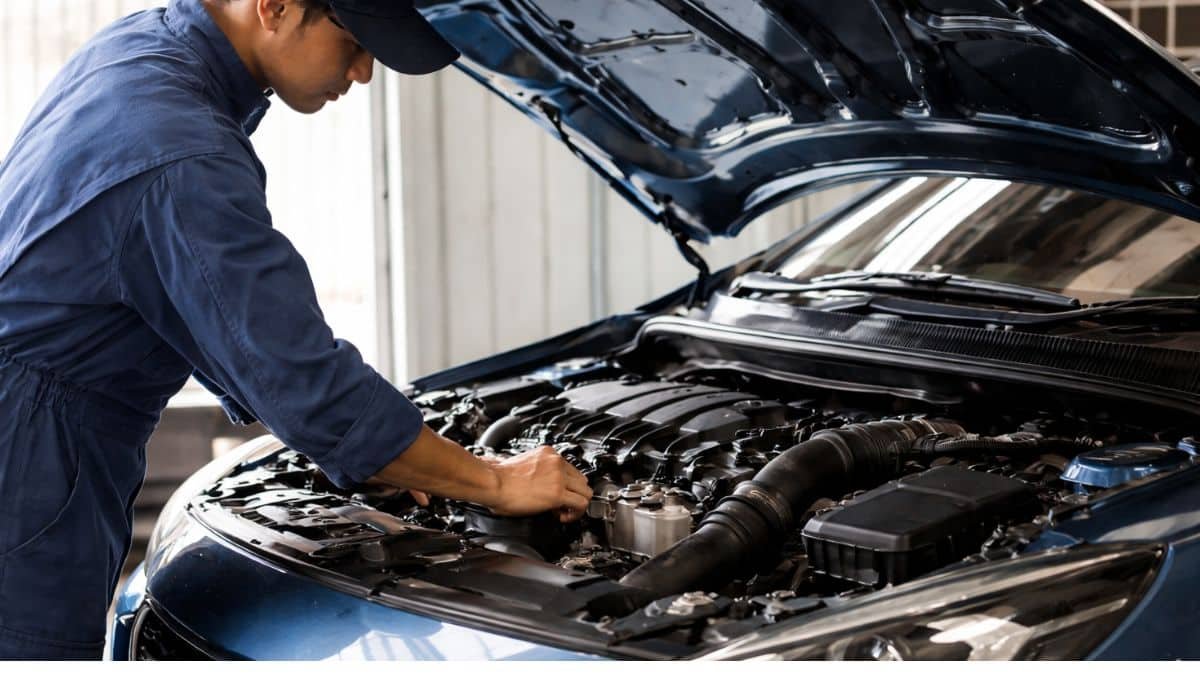

Turbo petrol engines have become common in India across hatchbacks, compact SUVs, and mid-size SUVs. Buyers are drawn to their strong performance, better highway cruising ability, and smaller engine displacement that promises efficiency. But once the car crosses the three-year mark, real ownership costs begin to surface — and that’s where clarity matters more than brochure claims.
Many buyers who earlier evaluated running expenses during the 2026 fuel cost comparison are now reconsidering long-term maintenance, not just mileage figures. Since turbo petrol engines are mechanically more complex than naturally aspirated units, their upkeep pattern tends to differ slightly over time.
What Changes After 3 Years of Ownership?
In the first 2–3 years, most turbo petrol cars remain under warranty. Service costs are predictable and mostly limited to routine items. After the third year, however, expenses can gradually increase depending on usage pattern, driving style, and maintenance discipline.
Here’s what typically starts affecting cost:
🚀 Join Our Tech Community!
Get the latest news, updates, and tech trends delivered straight to your phone. Never miss an update!
• Turbocharger health
• High-pressure fuel system components
• Direct injection cleaning
• Spark plug replacement intervals
• Carbon deposit build-up in intake valves
Unlike diesel engines, turbo petrol units run at higher temperatures. City traffic with frequent stop-go movement can accelerate wear if maintenance schedules are ignored.
Annual Service Cost After Warranty
For most mass-market turbo petrol cars in India:
• Basic periodic service: ₹8,000 – ₹15,000 per year
• Premium brands: ₹18,000 – ₹30,000 per year
These include oil change, filters, labour, and inspection. Turbo engines require fully synthetic oil, which is costlier but essential for turbo longevity.
Skipping recommended oil grades can reduce turbo life significantly — and turbo replacement alone can cost anywhere between ₹60,000 and ₹1.2 lakh depending on brand.
Turbocharger Replacement Risk: Rare but Expensive
Contrary to online fear, turbo failure within 5 years is uncommon if:
• Oil changes are timely
• Engine cool-down is respected
• Low-quality fuel is avoided
However, aggressive driving habits, frequent short trips, or ignoring warning signs like whistling sounds can increase failure probability.
This is where understanding real ownership patterns becomes as important as analysing EV public charging expense when evaluating electric vehicles. Initial savings do not always reflect true lifetime ownership costs.
Fuel System and Carbon Cleaning
Most modern turbo petrol engines use direct injection. Over time, carbon deposits may form on intake valves.
Carbon cleaning (if required) after 3–4 years can cost:
₹8,000 – ₹20,000 depending on workshop and brand.
Not every car needs it, but city-driven vehicles are more prone.
Clutch and Transmission Impact
Turbo petrol cars often produce higher torque at lower RPM compared to older petrol engines. In manual variants, improper clutch usage in traffic can reduce clutch life.
Clutch replacement cost:
₹15,000 – ₹35,000 depending on vehicle segment.
In automatic variants (CVT, DCT, TC), transmission fluid replacement must be done on time to avoid long-term issues.
Real 3-Year Ownership Snapshot (Typical Indian Usage – 12,000 km/year)
Total estimated maintenance spend after 3 years:
₹35,000 – ₹75,000 (mass market segment)
₹80,000+ (premium turbo petrol models)
This excludes accidental repairs.
Compared to diesel engines, turbo petrol cars usually have:
• Slightly lower routine service cost
• Higher sensitivity to oil quality
• No diesel particulate filter complications
• Lower engine vibration wear
Resale Value After 3–5 Years
Resale value depends more on brand trust than engine type. However:
• Well-maintained turbo petrol cars retain value strongly
• Poor service history reduces buyer confidence
• High kilometre turbo cars may face buyer hesitation
Interestingly, ongoing EV adoption slowdown in the market has kept demand relatively steady for petrol SUVs, which in turn is supporting stronger resale performance.
Does Driving Style Affect Cost?
Yes, significantly.
Turbo petrol engines perform best when:
• Warmed properly before hard acceleration
• Not switched off immediately after highway runs
• Serviced strictly on schedule
Short city drives without engine warm-up increase carbon build-up risk.
Is Turbo Petrol Still Worth It?
For most urban Indian buyers driving under 15,000 km per year:
Yes — provided maintenance discipline is followed.
Turbo petrol engines offer:
• Better performance than NA petrol
• Lower upfront cost than diesel
• No diesel emission system complications
• Strong city drivability
But buyers must budget realistically beyond warranty years.
Anyone comparing long-term cost between ICE and EV ownership should also evaluate hidden practical costs like EVs in Tier-2 Indian Cities where charging access influences total ownership economics.
Final Verdict
Turbo petrol engines are not high-maintenance nightmares. They simply require higher-quality servicing discipline.
If maintained properly, real-world maintenance after 3 years remains manageable and predictable. The key risk factor is neglect — not the technology itself.
For Indian buyers who value performance without diesel complexity, turbo petrol continues to be a balanced long-term option.