
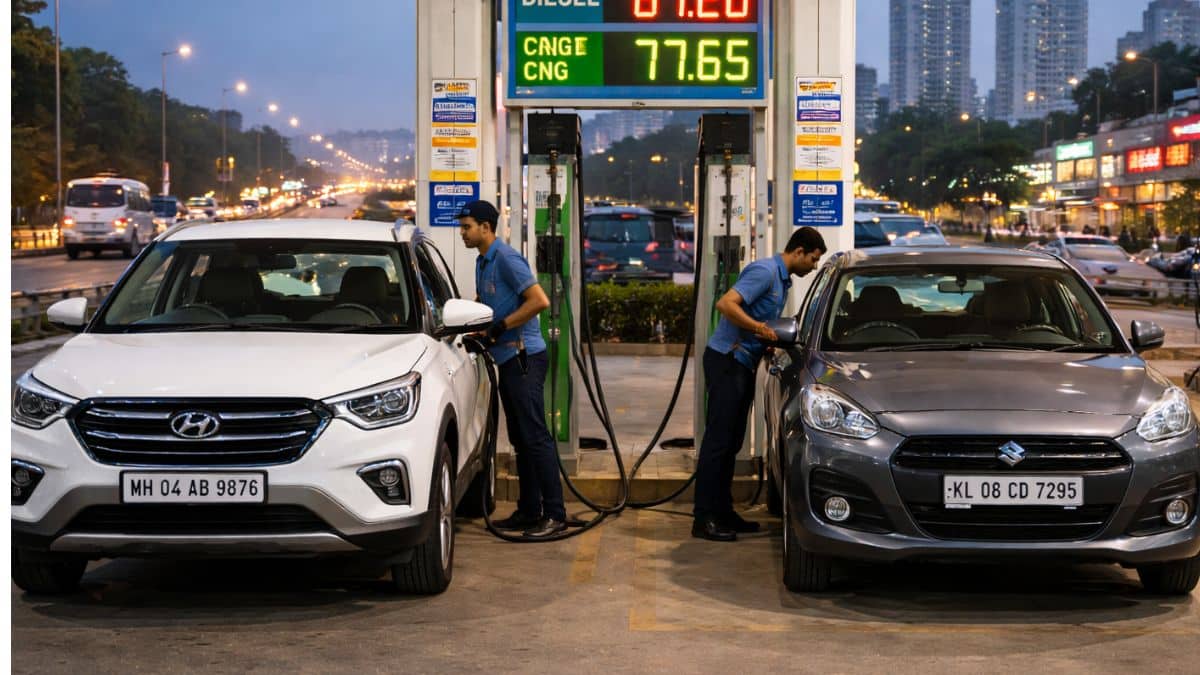

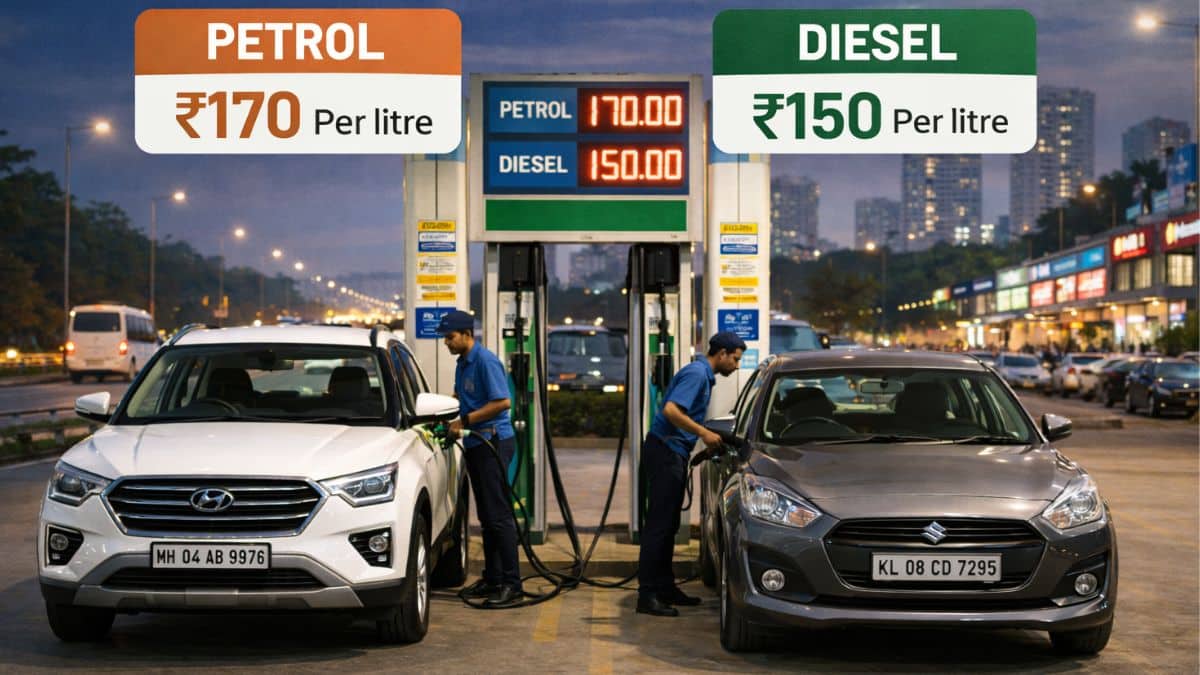
Fuel prices in India have always been volatile, but the shifts seen over the last year have forced buyers to rethink a once-simple decision. The petrol vs diesel debate in 2026 is no longer about mileage alone. Taxes, maintenance, resale behaviour, and regulatory pressure now play a much bigger role.
For many buyers, the “obvious” choice has quietly changed.
How Fuel Price Shifts Have Altered the Equation
Traditionally, diesel made sense because of lower per-litre prices and higher fuel efficiency. In 2026, that advantage has narrowed sharply. In several states, the petrol-diesel price gap is small enough that annual savings are no longer automatic.
This means fuel cost recovery now depends heavily on:
🚀 Join Our Tech Community!
Get the latest news, updates, and tech trends delivered straight to your phone. Never miss an update!
- Monthly running
- Highway vs city usage
- Ownership duration
Buyers driving less than 12,000 km a year often struggle to justify diesel purely on fuel economics.
Diesel Still Wins — But Only for Specific Users
Diesel engines continue to deliver better efficiency on long highway runs and heavy usage. For users clocking 18,000 km or more annually, diesel can still offer meaningful savings over time.
However, those savings are increasingly offset by higher service bills, emission hardware complexity, and long-term repair risks—factors often ignored at purchase but felt strongly after year three.
This mirrors patterns seen in ownership cost surprises, where upfront logic doesn’t always match long-term expense.
Petrol Cars Have Quietly Become the Safer Default
Petrol cars in 2026 benefit from:
- Lower initial purchase price
- Simpler BS6 hardware
- Cheaper routine maintenance
- Fewer city-use restrictions
For urban users, especially those driving short daily distances, petrol engines now offer more predictable ownership. The total cost gap with diesel has narrowed enough that peace of mind matters more than marginal fuel savings.
Maintenance and BS6 Reality Check
Modern diesel cars rely heavily on DPF systems, which struggle in stop-go city traffic. Frequent regeneration cycles and warning lights are common complaints.
Petrol cars avoid this issue entirely, making them more forgiving for mixed or low-speed usage. Over a 5–7 year ownership cycle, this difference alone can tilt the decision.
The long-term stress on advanced components is not unlike concerns raised around EV battery wear, where climate and usage patterns accelerate ageing beyond brochure expectations.
Resale Value: Diesel’s Edge Is Shrinking
Diesel resale has traditionally been strong, but 2026 shows signs of softening demand:
- More city buyers prefer petrol or hybrids
- Regulatory uncertainty affects diesel confidence
- Used-car buyers factor in maintenance risk
Petrol cars, while still depreciating faster, now attract a broader second-hand audience, especially in urban and semi-urban markets.
So, Which One Makes Sense in 2026?
Petrol makes more sense if:
- Annual running is below 15,000 km
- Usage is city-heavy
- Ownership is planned for 5–7 years
- You want lower maintenance anxiety
Diesel still works if:
- Highway usage is frequent
- Annual running is high
- Ownership duration exceeds 6 years
The old one-line answer no longer applies. In 2026, the right choice depends more on lifestyle than fuel price alone.