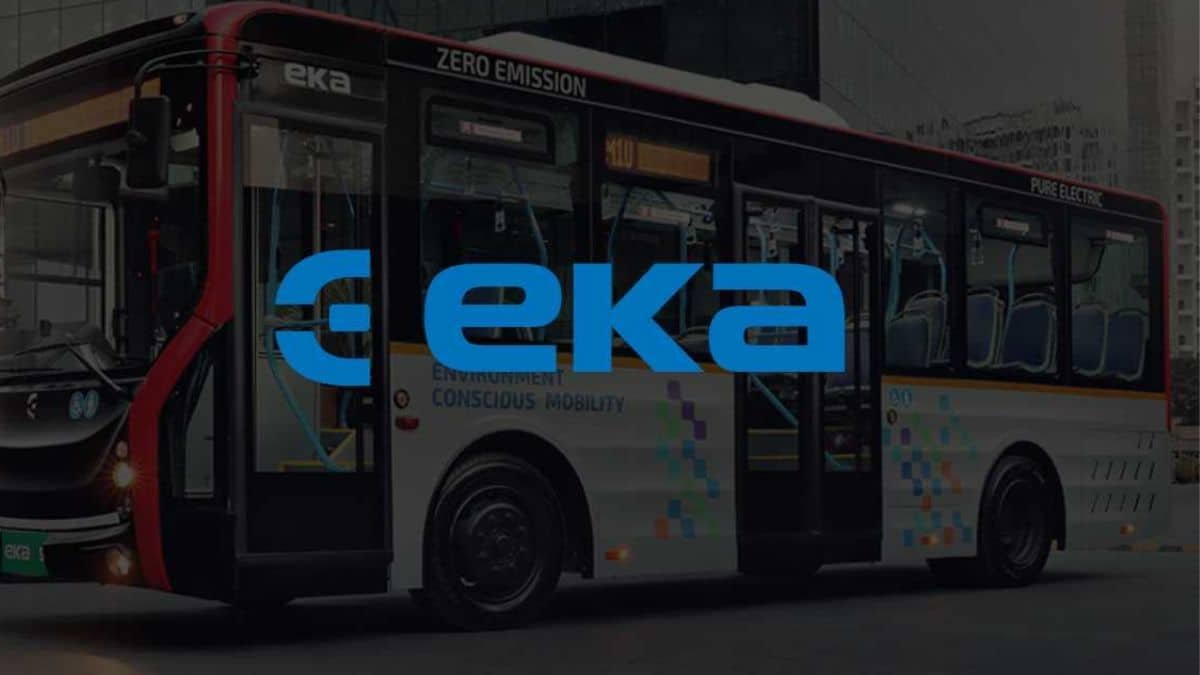

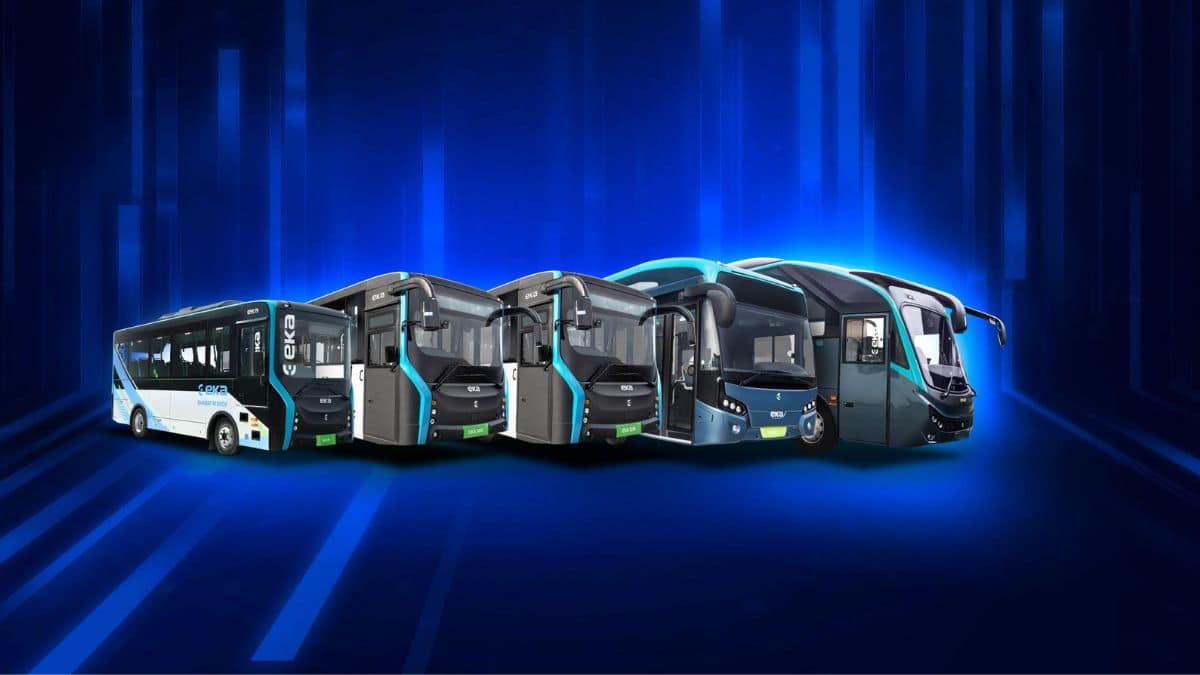
Chartered Speed Limited, in partnership with EKA Mobility, has received official approval to deploy 1,750 electric buses in Bengaluru, marking one of the largest electric bus deployments planned for a single Indian city. The allocation forms part of the central government’s push to accelerate the electrification of urban public transport systems and reduce emissions in major metropolitan areas.
The confirmed deployment represents a significant share of Bengaluru’s overall electric bus expansion plan under a national electric mobility programme. With this approval, the city is set to take a major step toward scaling zero-emission public transport across its bus network, which currently handles millions of passenger journeys every day.
Under the arrangement, Chartered Speed will be responsible for operating and maintaining the electric bus fleet, while EKA Mobility will supply the vehicles and provide technical support. The partnership combines Chartered Speed’s experience in large-scale passenger transport operations with EKA Mobility’s focus on electric commercial vehicle manufacturing.
Chartered Speed operates passenger transport services across multiple states and manages a large daily ridership base. The company has been gradually expanding its electric vehicle footprint and has outlined plans to transition a substantial portion of its fleet to electric buses over the next few years. The Bengaluru deployment is a key milestone in that transition.
🚀 Join Our Tech Community!
Get the latest news, updates, and tech trends delivered straight to your phone. Never miss an update!
EKA Mobility specialises in electric buses and other commercial electric vehicles designed for intensive urban and intercity use. The buses supplied for Bengaluru are expected to be configured for city operations, with an emphasis on efficiency, passenger comfort, and reliability. Electric buses typically offer lower running costs and reduced maintenance requirements compared to conventional diesel or CNG buses.
The scale of the deployment highlights growing confidence in electric bus technology among both operators and policymakers. Large fleet inductions require reliable charging infrastructure, route planning, and operational readiness, indicating that Bengaluru’s transport ecosystem is preparing for sustained electric bus operations rather than limited pilot projects.
From a city perspective, the introduction of 1,750 electric buses is expected to have a measurable impact on local air quality and noise levels. Public transport electrification plays a critical role in reducing emissions per passenger kilometre, particularly in dense urban environments where buses operate continuously throughout the day.
The deployment also reflects a broader national trend, with multiple Indian cities now moving toward large electric bus orders instead of incremental additions. These projects are increasingly being executed through public–private partnerships, allowing faster scaling while sharing operational and financial responsibilities.
For commuters, the expanded electric bus fleet is likely to translate into newer vehicles, quieter rides, and improved onboard comfort. Consistent service quality will be key as electric buses are integrated into regular schedules alongside existing fleets.
With the planned induction of 1,750 electric buses, Bengaluru is positioning itself as one of India’s leading cities in electric public transport adoption. The rollout will be closely watched by other urban transport authorities as a reference for large-scale electric bus implementation in Indian conditions.