
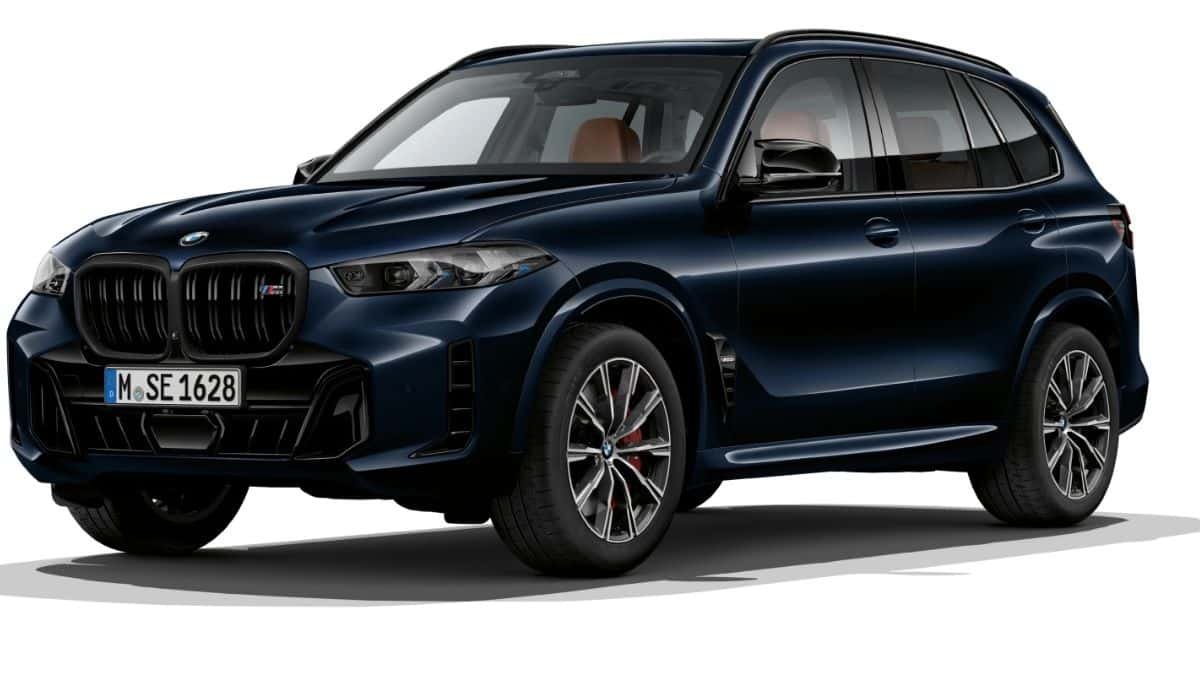


The proposed India–European Union Free Trade Agreement is expected to significantly reduce import duties on European electric vehicles, potentially transforming India’s luxury EV market, according to industry officials on January 25, 2026. The agreement could bring down current import tariffs of nearly 100 percent to a range of 10–15 percent, making high-end electric cars from Europe substantially more affordable for Indian buyers.
At present, fully built luxury EVs imported from Europe attract steep customs duties, pushing prices beyond ₹1 crore for most models. With tariff reductions under the FTA, European automakers such as BMW, Mercedes-Benz, Audi, and Volkswagen Group brands could price their electric vehicles far more competitively, leading to a sharp rise in demand within India’s premium passenger vehicle segment.
Industry executives said the move could trigger a fresh wave of product launches, especially in the high-performance and long-range EV categories, where European manufacturers hold strong technological advantages. Lower duties are also expected to expand consumer choice and accelerate adoption among urban luxury car buyers, particularly in major metros.
The proposed trade pact is also expected to include safeguards to protect domestic manufacturers. Officials said the agreement will likely retain localisation and value-addition requirements to ensure that increased imports do not undermine India’s long-term manufacturing ambitions. Domestic EV players such as Tata Motors and Mahindra & Mahindra continue to dominate the mass-market electric segment, which is largely insulated from duty cuts due to strong local production.
🚀 Join Our Tech Community!
Get the latest news, updates, and tech trends delivered straight to your phone. Never miss an update!
Government officials said the FTA aims to balance improved market access for European automakers with India’s broader industrial policy goals. The deal is also expected to promote technology transfer, encourage investment in local assembly operations, and strengthen supply chain partnerships in areas such as battery systems, software-defined vehicle platforms, and power electronics.
Industry estimates suggest that luxury EV volumes could grow rapidly once prices soften, even though the segment currently accounts for a very small share of India’s total passenger vehicle market. Automakers believe that lower duties, combined with improving charging infrastructure and longer driving ranges, could significantly boost high-end EV adoption over the next two to three years.