
Skoda Auto Volkswagen India on January 25, 2026, said that continuity in the existing GST structure, a strong policy push for electric vehicles, and sustained infrastructure spending will be crucial for maintaining growth momentum in the Indian automobile industry ahead of the Union Budget. The company stressed that predictable taxation and stable policy direction are essential for long-term planning and investor confidence.
Piyush Arora, Managing Director and CEO of Skoda Auto Volkswagen India, said that last year’s GST reforms helped revive domestic passenger vehicle demand, and maintaining the current tax framework would provide much-needed stability to both manufacturers and buyers. He added that further rationalisation of import duties in the EV segment, combined with faster charging infrastructure development, could significantly accelerate electric vehicle adoption across India.
The company also highlighted the importance of customs reforms and progress on bilateral trade agreements, particularly the proposed India–European Union free trade pact. According to Arora, such agreements would improve market access, lower costs, and allow global automakers to bring advanced technologies and products to India more efficiently.
On regulatory matters, Arora pointed to delays in the final notification of the latest Corporate Average Fuel Efficiency norms, saying that a clear and predictable regulatory roadmap across powertrain technologies would enable automakers to plan investments and product strategies with greater confidence. He said regulatory certainty is essential for balancing investments across internal combustion, hybrid, and electric powertrains.
🚀 Join Our Tech Community!
Get the latest news, updates, and tech trends delivered straight to your phone. Never miss an update!
Skoda Auto Volkswagen India currently manages six brands in the country — Skoda, Volkswagen, Audi, Bentley, Lamborghini, and Porsche — and follows a local-for-local strategy, focusing on localisation, domestic product development, and exports. The company said Indian-developed models are now being exported to markets such as Vietnam, reflecting India’s growing role as a global automotive manufacturing hub.
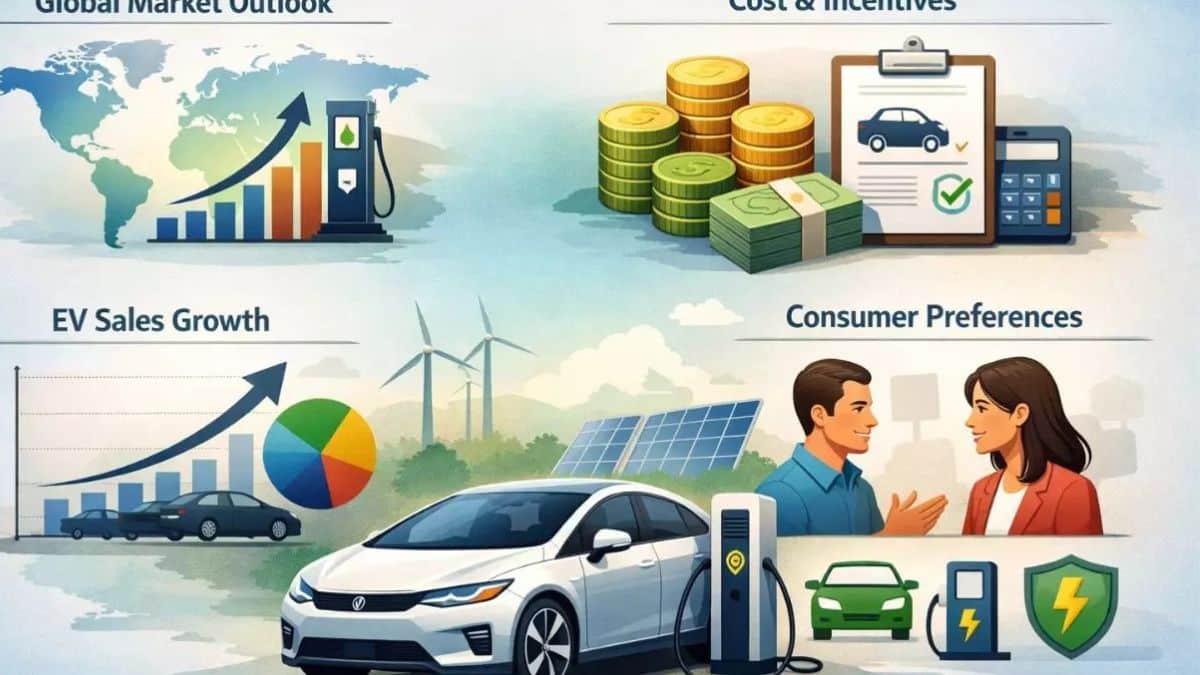
Arora also said the Indian passenger vehicle market is expected to grow by 5–6 percent in 2026, supported by improving consumer sentiment and infrastructure development. He added that better charging availability, improved driving range, and competitive pricing will be critical to increasing EV penetration and sustaining long-term industry growth.