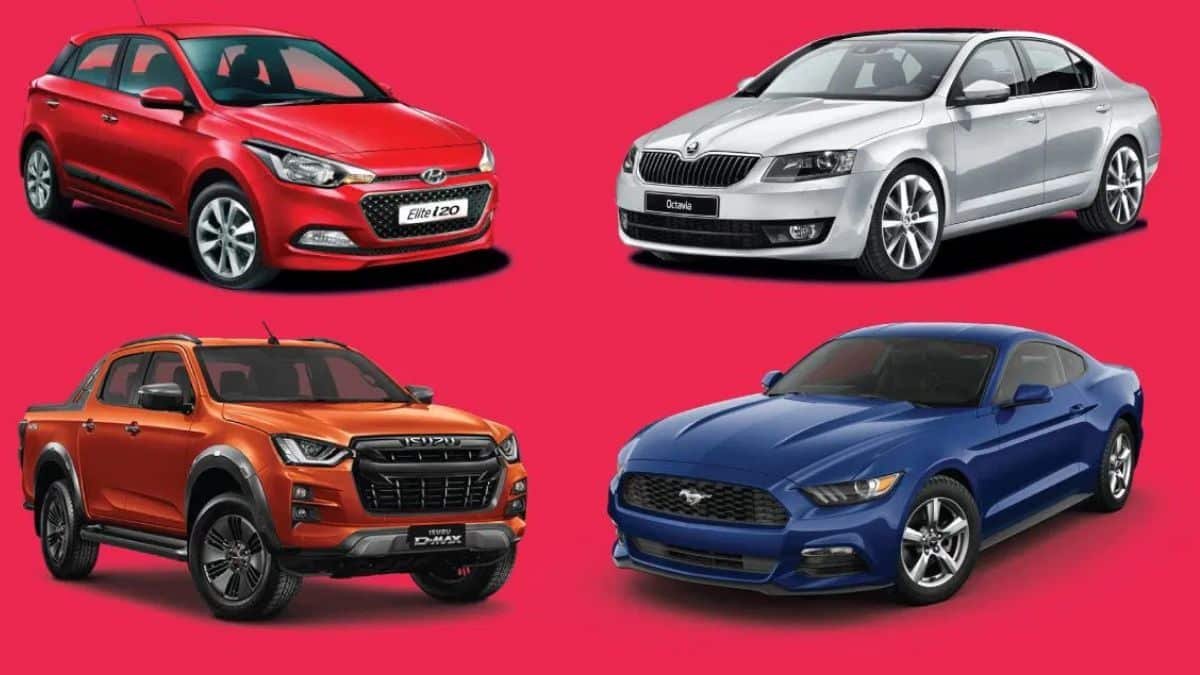

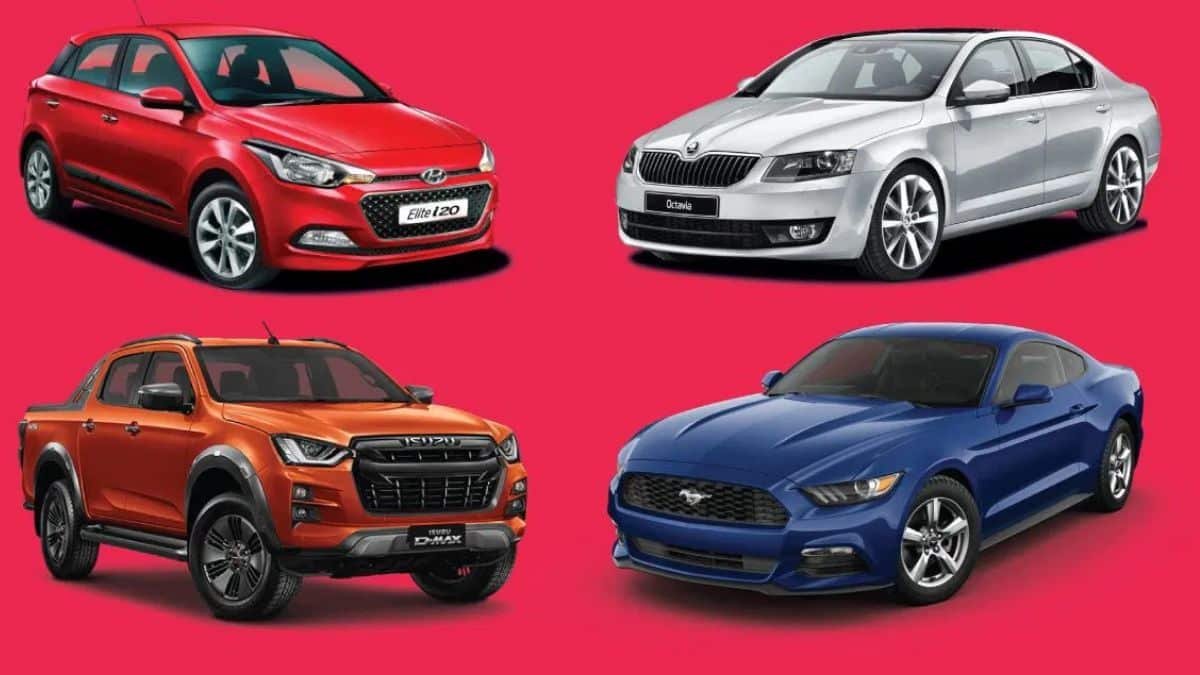
Passenger vehicles are designed primarily to carry people rather than goods. They form the largest part of personal transportation and are chosen based on comfort, size, usage pattern, and road conditions. Over time, passenger vehicles have evolved into multiple types to suit different lifestyles, city conditions, and family needs.
Understanding the types of passenger vehicles helps buyers choose a vehicle that fits daily use, budget, and long-term ownership expectations.
Hatchback
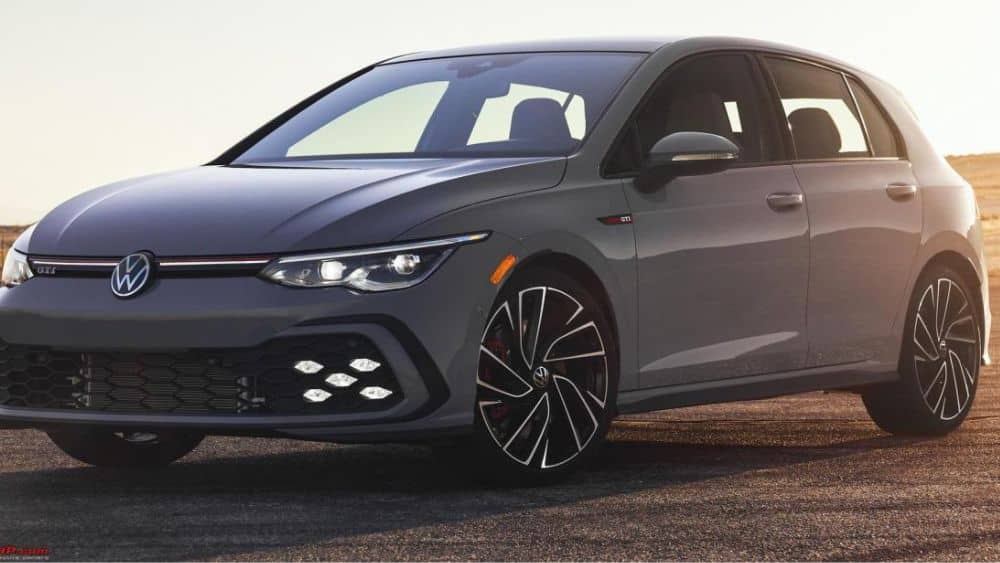
Hatchbacks are compact passenger vehicles with a rear hatch door that opens upward. They are typically small in size, easy to drive, and affordable to maintain. Hatchbacks are popular in cities because they are easy to park and manoeuvre in traffic.
They are commonly chosen by first-time buyers, small families, and daily commuters who prioritise practicality and fuel efficiency.
🚀 Join Our Tech Community!
Get the latest news, updates, and tech trends delivered straight to your phone. Never miss an update!
Sedan
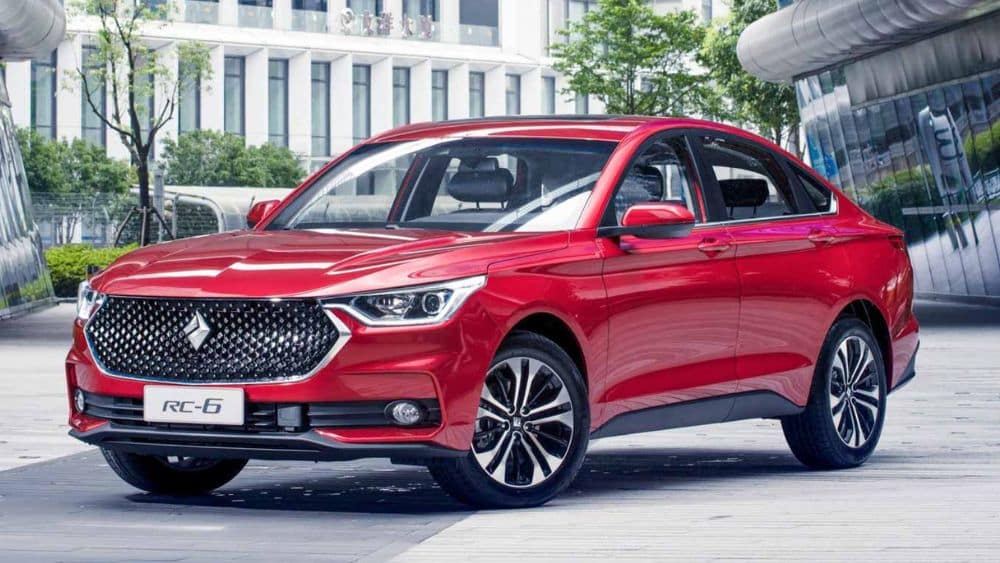
Sedans are passenger vehicles with a three-box design consisting of an engine section, passenger cabin, and separate boot. They usually offer better ride comfort, stability, and rear-seat space compared to hatchbacks.
Sedans are suitable for buyers who value comfort, highway stability, and a more premium driving experience, although their popularity has declined in congested urban areas.
SUV (Sport Utility Vehicle)
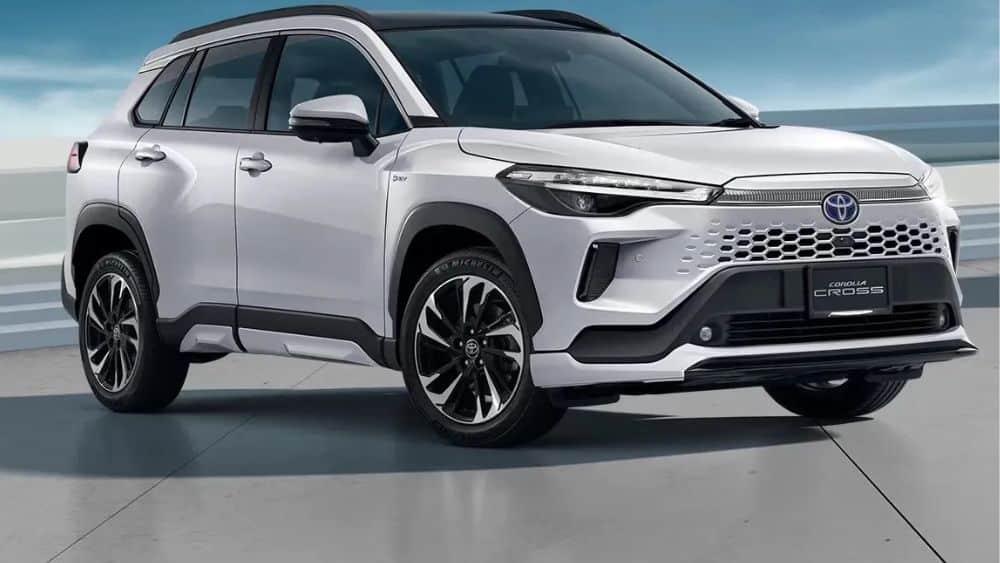
SUVs are taller passenger vehicles with higher ground clearance and an upright seating position. They are designed to handle rough roads better than conventional cars and provide a commanding view of the road.
Most SUVs in daily use are driven on normal roads, but buyers prefer them for their road presence, comfort, and ability to handle bad road conditions.
Compact SUV
Compact SUVs are smaller versions of traditional SUVs, built mainly for urban and semi-urban use. They combine the higher seating position of an SUV with the manageable size of a hatchback or sedan.
They have become one of the most popular passenger vehicle types because they balance style, comfort, and city practicality.
MUV / MPV (Multi-Utility Vehicle / Multi-Purpose Vehicle)
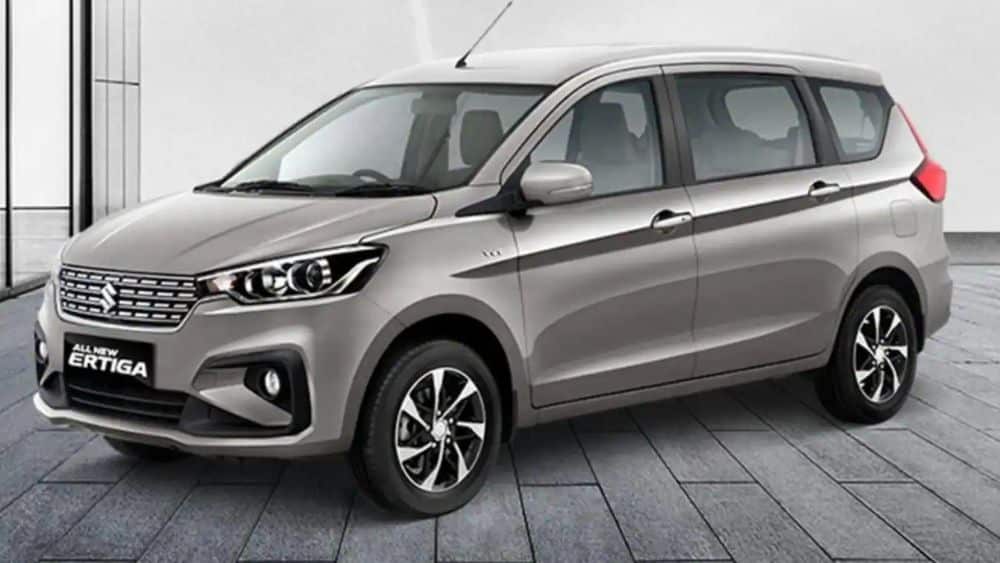
MUVs and MPVs are designed to carry more passengers comfortably, usually five to seven or more. They focus on interior space, flexible seating, and practicality rather than sporty performance.
These vehicles are ideal for large families, group travel, and long-distance journeys.
Coupe
Coupes are passenger vehicles with a sporty design, usually featuring two doors and a sloping roofline. They focus more on styling and performance than space or practicality.
Coupes are niche vehicles and are generally chosen for personal use rather than family transportation.
Convertible
Convertibles are passenger vehicles with retractable or removable roofs. They offer an open-top driving experience and are mainly designed for leisure and lifestyle use.
They are not common in everyday Indian road conditions but represent a distinct passenger vehicle category.
Station Wagon / Estate
Station wagons combine sedan-like comfort with an extended rear cargo area. They offer more luggage space without increasing vehicle height like an SUV.
Although popular in some global markets, station wagons remain limited in India.
Passenger Vans
Passenger vans are larger vehicles designed to transport multiple passengers comfortably. They are often used by hotels, schools, offices, and for group travel.
They focus on seating capacity and ease of entry rather than driving performance.
Microcars and Small City Cars
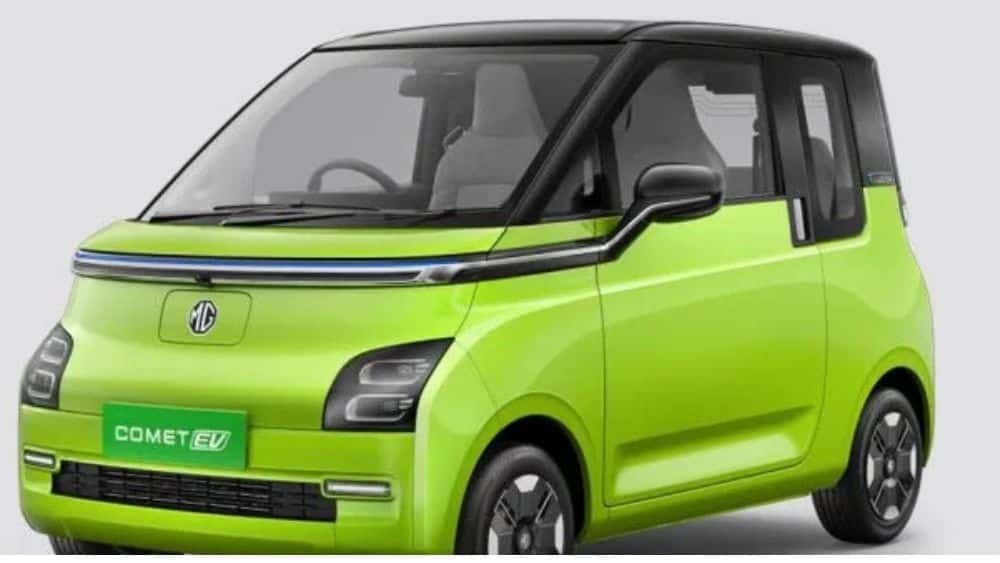
Microcars are very small passenger vehicles designed mainly for short-distance urban mobility. They prioritise low cost, minimal space usage, and basic transportation needs.
These vehicles are suitable for congested cities with limited parking space.
Final Understanding
Passenger vehicles are not defined by one single shape or size. They range from compact hatchbacks to spacious MPVs and SUVs, each serving different needs. The right passenger vehicle depends on daily usage, family size, road conditions, and long-term ownership goals.
As cities grow and mobility patterns change, passenger vehicle types continue to evolve, giving buyers more choice than ever before.