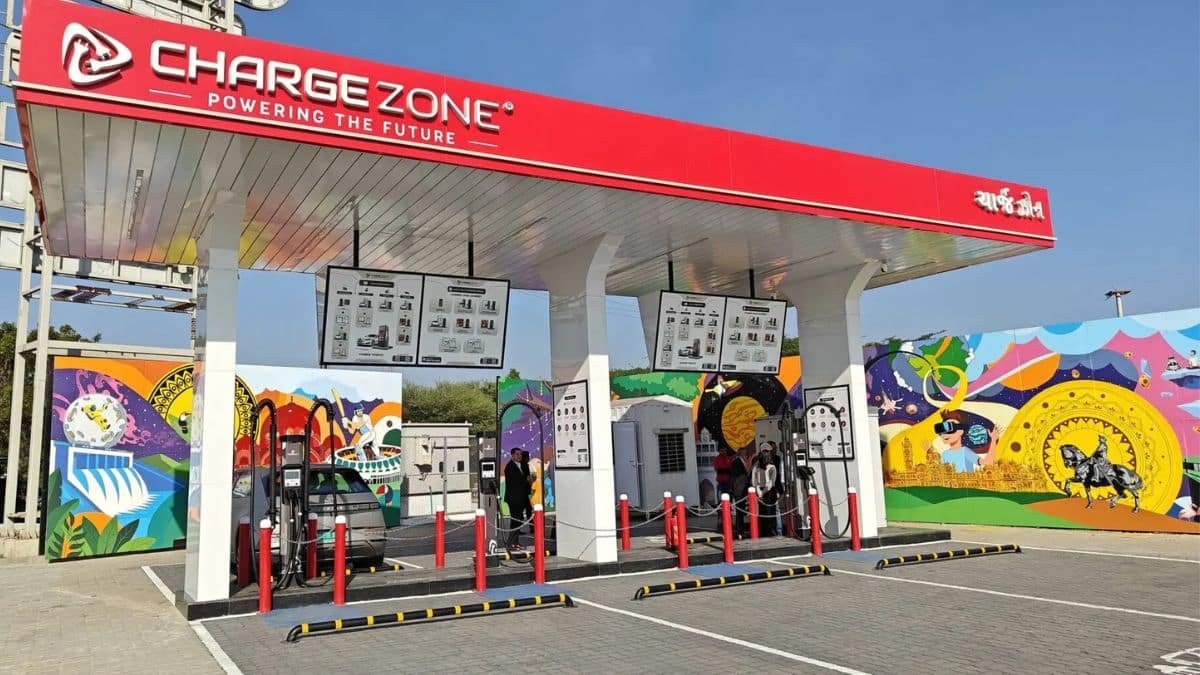

Electric vehicle adoption in India is no longer being shaped only by battery size or claimed range. A less visible but far more decisive factor is fast-charging standards. As charging infrastructure expands across highways and cities, the type of charging standard supported by an EV is increasingly influencing buyer confidence, resale value, and long-term usability.
This shift is happening quietly, without breaking-news moments, but it is redefining how EVs are evaluated in the Indian market.
Why Charging Standards Matter More Than Ever
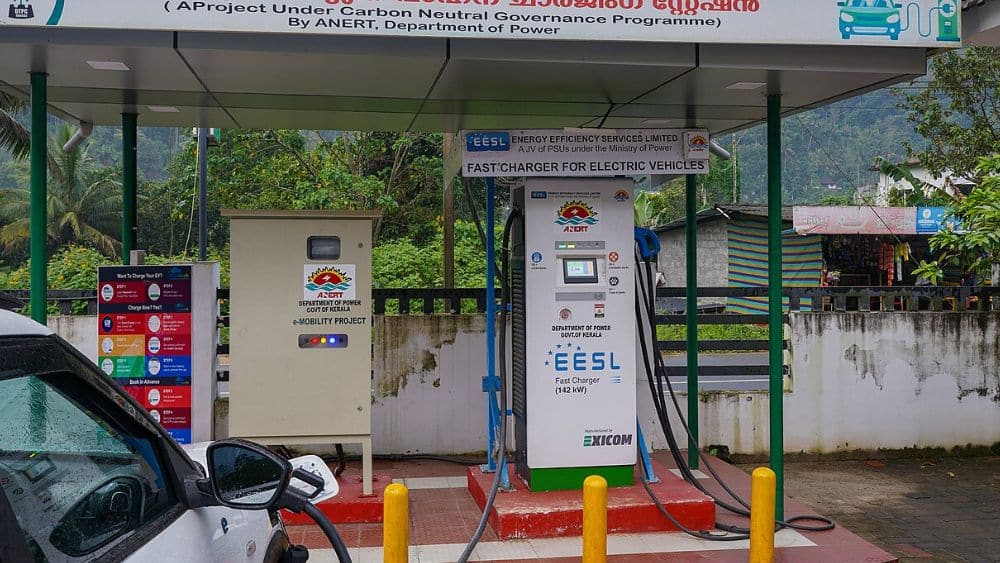
In the early phase of India’s EV journey, most buyers charged at home using slow AC chargers. That model worked when daily usage was limited and public infrastructure was sparse. Today, usage patterns are changing. EVs are being driven longer distances, shared within families, and increasingly relied upon as primary vehicles.
Fast-charging standards determine how quickly an EV can return to the road and how compatible it is with public chargers. A mismatch between vehicle capability and available infrastructure can turn ownership into friction.
🚀 Join Our Tech Community!
Get the latest news, updates, and tech trends delivered straight to your phone. Never miss an update!
The Dominance of CCS2 in India
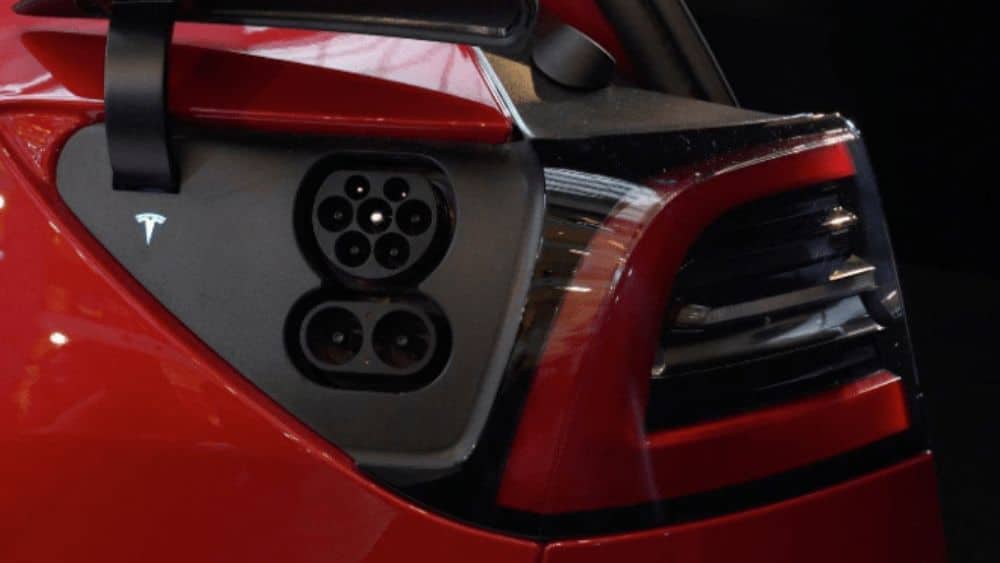
India’s public DC fast-charging ecosystem has largely standardized around the CCS2 connector. This alignment has created a clear advantage for EVs that support CCS2 charging out of the box.
CCS2 allows higher power delivery compared to older systems and is scalable for future infrastructure upgrades. As more highway and urban fast chargers adopt CCS2, vehicles without this standard risk limited access to rapid charging.
This is one reason newer electric cars from brands like Tata Motors, Mahindra, and Hyundai have aligned their EV strategies around CCS2 compatibility.
AC Charging Still Has a Role
Despite the focus on DC fast charging, AC charging remains essential. Most overnight charging still happens at home or workplaces using AC chargers. For daily commuting, this setup is cost-effective and gentle on battery health.
However, AC charging alone no longer satisfies all ownership scenarios. Buyers increasingly expect the flexibility to top up quickly during intercity travel or unexpected usage spikes. This expectation is pushing fast-charging support from a “nice-to-have” feature into a baseline requirement.
Impact on Buyer Psychology
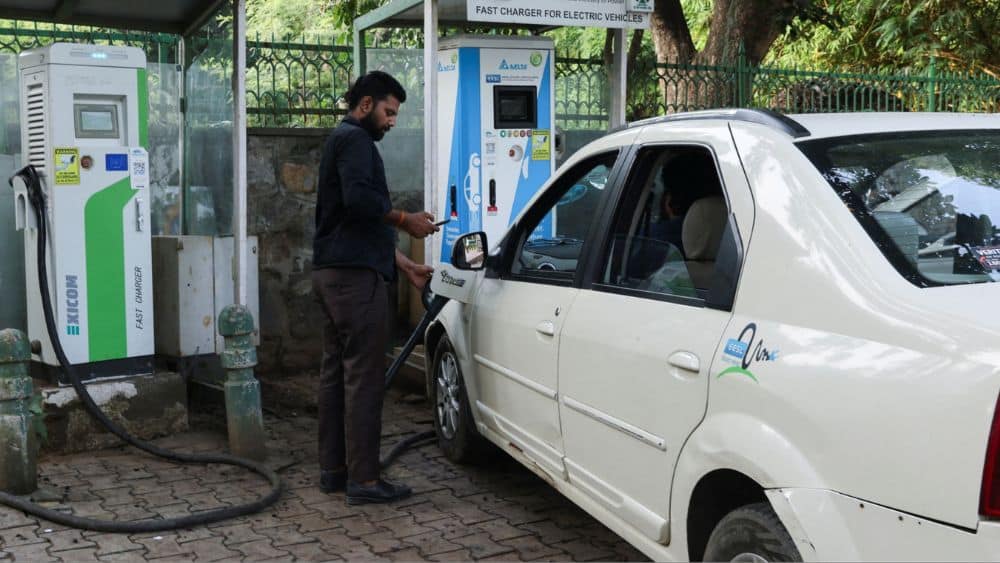
Charging standards influence purchase decisions in subtle ways. Buyers may not always understand kilowatts or connector types, but they do understand convenience. Vehicles advertised with fast-charging capability signal future readiness and reduce anxiety around infrastructure growth.
This perception is especially strong among urban buyers and fleet operators, where downtime translates directly into cost or inconvenience. Over time, EVs with limited fast-charging support may face faster depreciation as infrastructure evolves beyond their capabilities.
Infrastructure Growth and Standard Lock-In
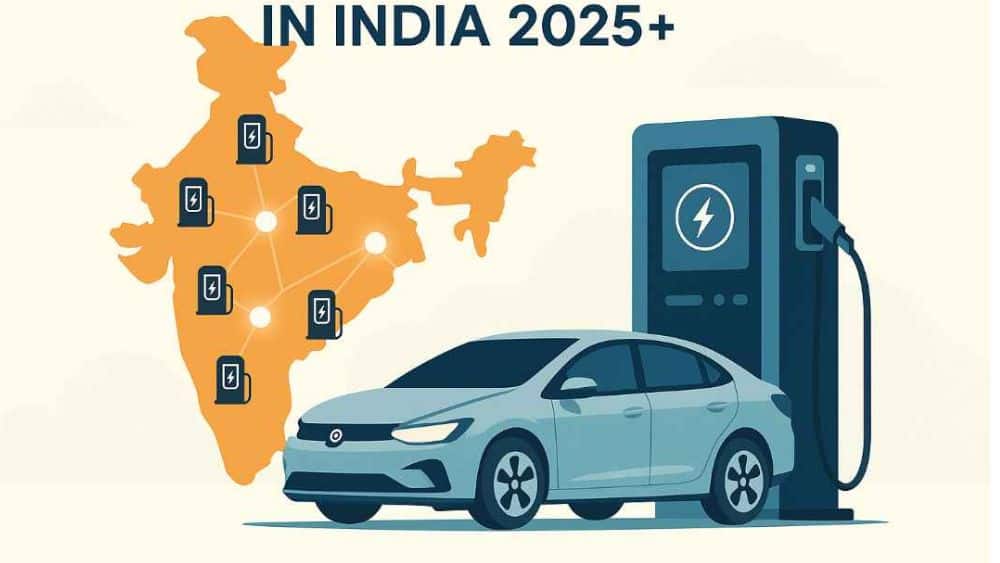
India’s charging network is expanding rapidly along highways, business districts, and residential clusters. Once infrastructure is deployed at scale using a particular standard, switching becomes expensive and unlikely.
This creates a lock-in effect. Vehicles aligned with the dominant standard benefit automatically as the network grows. Vehicles outside that ecosystem depend on adapters or limited charger availability, both of which introduce friction.
For long-term ownership, alignment with national charging standards matters as much as battery capacity or warranty coverage.
Future-Proofing Without Speculation
Rather than focusing on speculative future technologies, the current trend is clear: EVs that integrate seamlessly with India’s fast-charging ecosystem offer better real-world usability today. This practical advantage compounds over time as infrastructure density increases.
Manufacturers are responding by improving charging curves, thermal management, and software integration, ensuring faster and more consistent charging sessions rather than just headline peak speeds.
What This Means for the Indian EV Market
Fast-charging standards are acting as a silent filter in the EV market. They reward vehicles designed with infrastructure compatibility in mind and gradually marginalize those that are not.
As EV adoption matures, charging standards will increasingly influence brand trust, ownership satisfaction, and secondary market value. For buyers, understanding this layer adds clarity to decision-making. For the market, it accelerates convergence toward a more reliable and predictable charging experience.
This evolution is not driven by announcements or headlines, but by everyday usage—and that makes it one of the most important shifts shaping India’s electric mobility future.