
For many Indian buyers considering an electric vehicle (EV) in 2026, sedans remain a compelling choice for daily commuting, comfort, and efficiency. This focuses on the EV sedans to buy in 2026 from an ownership cost and savings perspective, helping you understand where your money goes beyond just the sticker price. We compare running costs, energy savings, practicality, and real-world factors that influence long-term affordability.
Why Choose an EV Sedan in 2026
Electric sedans combine efficiency with a lower cost of operation compared to internal combustion engine (ICE) counterparts. As charging infrastructure expands and battery technologies improve, sedans offer:
- Lower energy cost per kilometer than petrol or diesel.
- Reduced maintenance because EVs have fewer moving parts.
- A smoother, quieter driving experience ideal for city and highway travel.
However, sedans vary widely in price, range, and service ecosystems, so choosing the right one involves balancing purchase cost, daily use, and total cost of ownership.
Understanding Total Cost of Ownership for EV Sedans
Before listing specific models, it’s important to break down the key components of ownership cost:
🚀 Join Our Tech Community!
Get the latest news, updates, and tech trends delivered straight to your phone. Never miss an update!
Purchase Price vs Incentives
EV sedans often qualify for government incentives or subsidies under state EV policies. These can reduce upfront cost significantly, but the exact benefit depends on where you register the vehicle. Factor incentives into your budget to compare effectively with traditional sedans.
Charging Costs
Charging at home during off-peak electricity tariffs typically costs less than public fast charging. Your actual cost per kilometer depends on local electricity rates and your driving habits. For many Indian cities, home charging is substantially cheaper than filling a fuel tank.
Maintenance and Service
Electric sedans require less routine service than ICE vehicles, with fewer fluids to change and no clutch or gearbox maintenance. Battery warranties and service network coverage also influence long-term repair costs.
Depreciation and Resale Value
Sedans with strong brand presence and proven battery performance tend to hold value better. Consider warranty length and battery degradation expectations when assessing long-term resale
Top EV Sedans to Consider in India in 2026
In 2026, several EV sedans stand out for buyers focused on cost effectiveness and ownership value. Prices and specifications are indicative based on prevailing market trends and announcements.
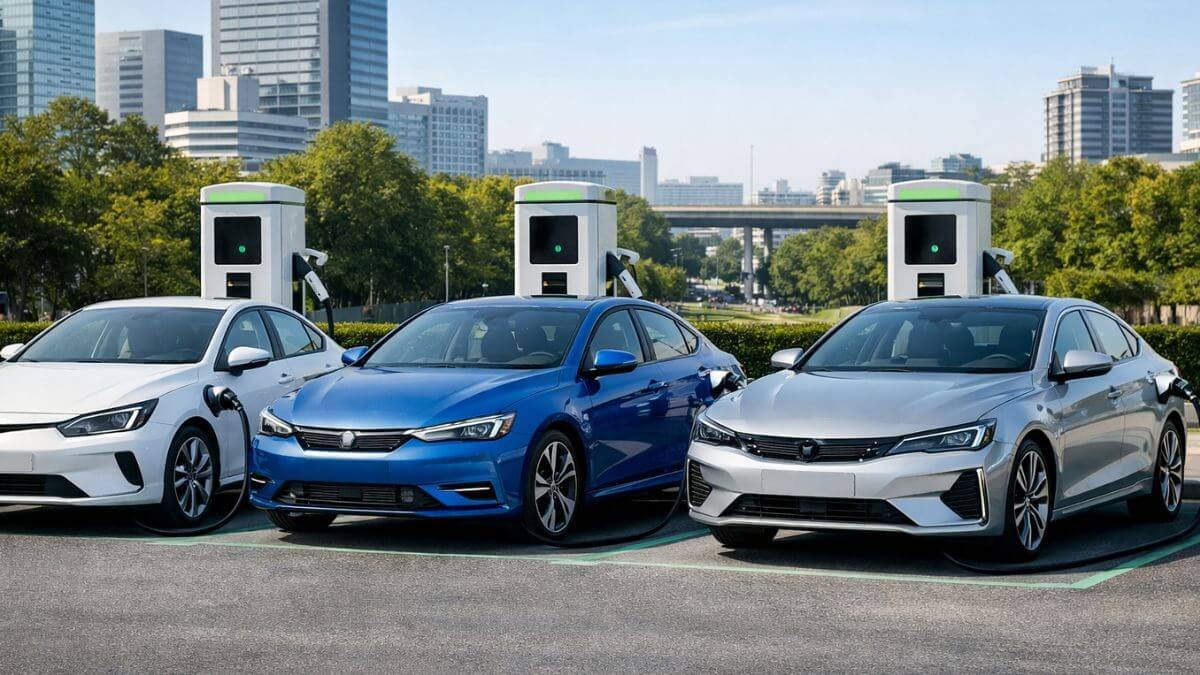
Model A – Value-Focused City Sedan
- Purchase Positioning: Positioned as a budget-friendly EV sedan.
- Range: Suitable for daily city use with moderate highway capability.
- Cost and Savings: Lower initial price and excellent energy efficiency make this one of the least expensive sedans to operate.
- Ownership Considerations: Ideal for first-time EV buyers and commuters whose daily drive rarely exceeds the typical urban range.
This model’s simplicity and efficiency translate into savings on both charging and maintenance, making it a sensible choice for cost-conscious buyers.
Model B – Balanced Range and Comfort
- Purchase Positioning: Mid-tier sedan with improved features and range.
- Range: Competitive range that suits both urban and intercity travel.
- Cost and Savings: Slightly higher purchase cost but broader usability can reduce the need for alternate vehicles.
- Ownership Considerations: Comfortable seating and modern connectivity features improve occupant experience on longer drives.
For many drivers, this balance of comfort and efficiency results in better long-term value, especially if you anticipate frequent highway travel.
Model C – Premium EV Sedan Experience
- Purchase Positioning: Premium option with advanced features.
- Range: High range and performance orientation.
- Cost and Savings: Higher purchase price but still benefits from EV operational savings relative to similar ICE sedans.
- Ownership Considerations: Strong brand support and extended warranties can lower long-term concerns about battery life and servicing.
This choice suits buyers who want an EV sedan that feels premium while still delivering tangible savings over time.
Comparing EV Sedan Ownership Costs
When comparing these sedans, consider the following ownership cost elements:
- Energy Cost per Kilometer: Varies by battery efficiency and local electricity tariffs.
- Service Intervals: EVs generally need fewer scheduled services, lowering recurring expenses.
- Insurance: EV insurance premiums can differ from ICE vehicles; obtain quotes for accurate comparisons.
- Battery Warranty: Many manufacturers offer long battery warranties that protect against significant depreciation risk.
Charging Strategies That Reduce Cost
To maximize savings:
- Home Charging: Set up a dedicated home charger and use off-peak electricity where available.
- Public Charging: Use fast chargers sparingly to avoid higher per-kWh costs.
- Plan Routes: For longer trips, plan charging stops at stations with predictable pricing.
Real-World Considerations for 2026 Buyers
As infrastructure improves, owning an EV sedan becomes easier. In major Indian metros and highways, charging networks are expanding steadily. Before committing to a model:
- Verify service center availability in your region.
- Understand the warranty terms, especially for battery and high-voltage components.
- Assess real-world range based on your typical climate and driving style.
Choosing the right EV sedans to buy in 2026 means balancing upfront price, ownership costs, and how you intend to use the vehicle. Budget-oriented sedans offer compelling savings for city travel, mid-range models deliver broader utility, and premium sedans provide enhanced comfort with strong long-term value. By focusing on total cost of ownership and your specific needs, you can select a sedan that makes economic sense throughout your EV journey.