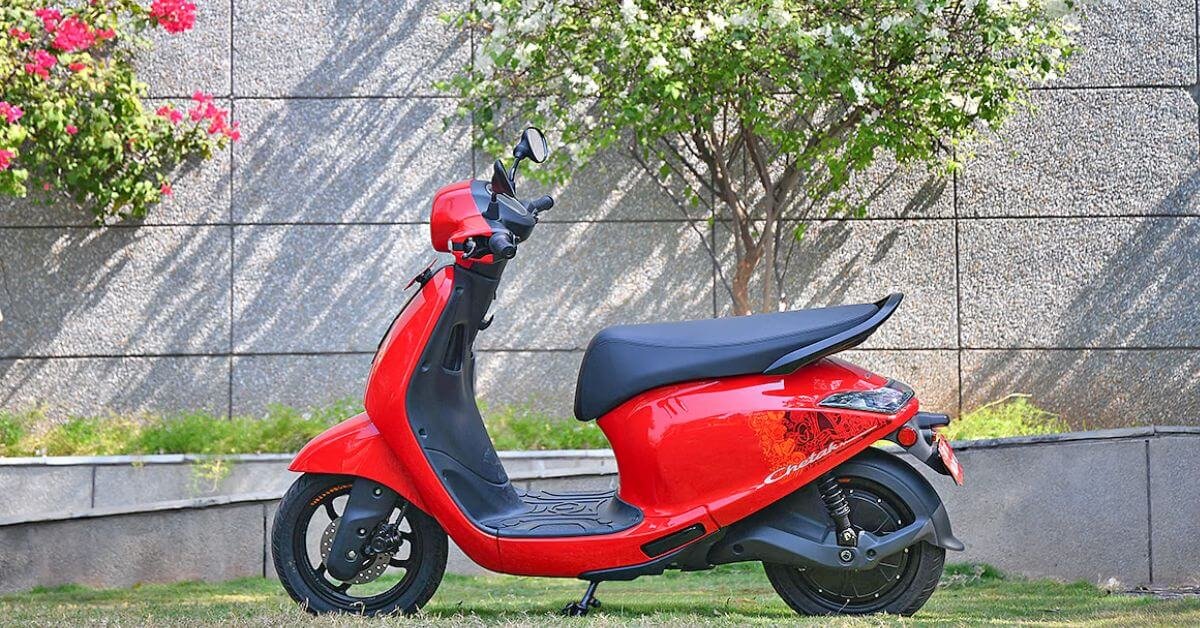

Understanding the total cost of owning a Bajaj Chetak C25 can help prospective buyers make an informed decision. This focuses on the key cost elements and potential savings associated with owning the Bajaj Chetak C25 electric scooter. It covers purchase price considerations, running costs, charging expenses, maintenance expectations, and comparative cost factors that influence long-term ownership economics.
Purchase Price and Initial Investment
The Bajaj Chetak C25 is positioned as a premium urban electric scooter. The upfront purchase price is a major component of the ownership cost. Electric scooters generally have a higher sticker price compared to similar engine capacity petrol scooters due to the cost of the battery and electric powertrain. When evaluating this price, it is useful to consider what comes included, such as the battery warranty, accessories, and service plans that may be bundled by the dealer.
In many regions, government incentives or subsidies for electric vehicles can effectively reduce the purchase price. These incentives vary based on local electric mobility policies and may apply at the state or central level. Assessing current incentives in the buyer’s area is part of calculating the effective initial investment in the Chetak C25.
Depreciation and Resale Considerations
Depreciation is the reduction in a vehicle’s value over time and is a significant cost in ownership. Electric scooters like the Bajaj Chetak C25 often retain value differently from petrol scooters due to factors like battery health, technological upgrades, and market demand for used electric vehicles. Potential buyers should consider estimates of resale value after three to five years of ownership as part of the total cost picture. Resale values can be influenced by the battery’s state of health and the overall condition of the scooter.
🚀 Join Our Tech Community!
Get the latest news, updates, and tech trends delivered straight to your phone. Never miss an update!
Charging Costs
Charging cost is a central part of running an electric scooter. For the Bajaj Chetak C25, the scooter’s battery capacity and the cost of electricity determine how much a full charge costs. Charging at home overnight using a residential electricity tariff is typically the most economical option. The cost per unit of electricity in a given region directly impacts the cost per kilometer of riding.
Public fast charging options may be available in urban areas, but these can carry higher tariffs than home electricity rates. Comparing home charging costs with public charging helps in budgeting for routine use. Understanding the battery capacity and expected energy consumption per kilometer provides a basis for calculating monthly or annual charging expenses.
Running Cost Per Kilometer
One of the strong value propositions of electric scooters is lower running cost per kilometer compared to internal combustion engine (ICE) scooters. The Bajaj Chetak C25 uses electricity instead of petrol, and electricity per kilometer typically costs less than petrol per kilometer. To estimate running costs, buyers can calculate the energy consumption (in kWh per kilometer) based on official figures and multiply that by the cost per unit of electricity in their area.
In addition to energy costs, other elements like tire wear, brake wear, and battery conditioning habits can influence the practical cost per kilometer over time. These usage-related costs vary based on riding style, terrain, and maintenance habits.
Maintenance and Service Costs
Electric scooters have fewer moving parts than petrol scooters, which can lead to lower routine maintenance needs. The electric motor, power electronics, and battery pack require less frequent mechanical servicing. Common service items for scooters such as oil changes are absent in electric scooters, which can reduce service bill frequency.
However, scheduled checks for brakes, tires, suspension, and electrical systems are still necessary. Battery health is particularly important for long-term ownership, and costs related to battery checks or eventual replacement should be factored into long-term cost planning. Warranty coverage for the battery and other major components can mitigate unexpected expenses during the initial years of ownership.
Insurance
Insurance is another recurring cost. The premium for insuring an electric scooter like the Bajaj Chetak C25 depends on factors such as the vehicle’s insured declared value (IDV), the buyer’s location, driving history, and chosen coverage options. Electric scooters may attract similar insurance costs to petrol scooters of comparable value, but buyers should compare insurance quotes to understand the annual premium.
Incentives and Tax Benefits
In some areas, policy measures are designed to encourage electric vehicle adoption. These measures may include purchase incentives, tax rebates, reduced registration fees, or exemption from certain local taxes. Applying these incentives can reduce the net initial cost and improve the overall economics of ownership. Buyers should check current incentive programs in their state or city to understand how these can impact their cost analysis for the Chetak C25.
Comparing Ownership Cost with Petrol Scooters
A common consideration for buyers is how the total cost of owning a Bajaj Chetak C25 compares to owning a petrol scooter with similar performance and features. While petrol scooters typically have a lower purchase price, they incur ongoing fuel costs that fluctuate with fuel prices. Electric scooters shift the cost structure from fuel expenditure to electricity costs, which tend to be more stable and lower per kilometer.
Service and maintenance costs for petrol scooters also include engine oil changes, filter replacements, and more frequent servicing cycles. When these ongoing costs are aggregated over time, the total cost of ownership for an electric scooter may be competitive, depending on usage patterns and regional energy costs.
Practical Cost Scenarios
To illustrate ownership cost considerations, buyers can create simple scenarios based on expected yearly kilometers, local electricity and petrol prices, estimated maintenance costs, and depreciation. For example, high daily usage will accentuate differences in running and fuel costs between electric and petrol scooters. Conversely, low usage may make the purchase price and depreciation more significant factors.
When preparing such scenarios, it is useful to project costs over typical ownership horizons such as three years or five years. This helps in understanding how different cost components affect the annualized cost of ownership.
Owning a Bajaj Chetak C25 involves a combination of upfront investment, ongoing charging and maintenance costs, insurance, and considerations around depreciation and resale value. Electric scooters often present lower per kilometer running costs and reduced maintenance needs compared to petrol alternatives. Evaluating local electricity rates, available incentives, insurance premiums, and expected usage patterns can help buyers estimate the total cost of ownership for the Chetak C25. Prospective owners should weigh these cost elements objectively to align with their budget and usage expectations.