
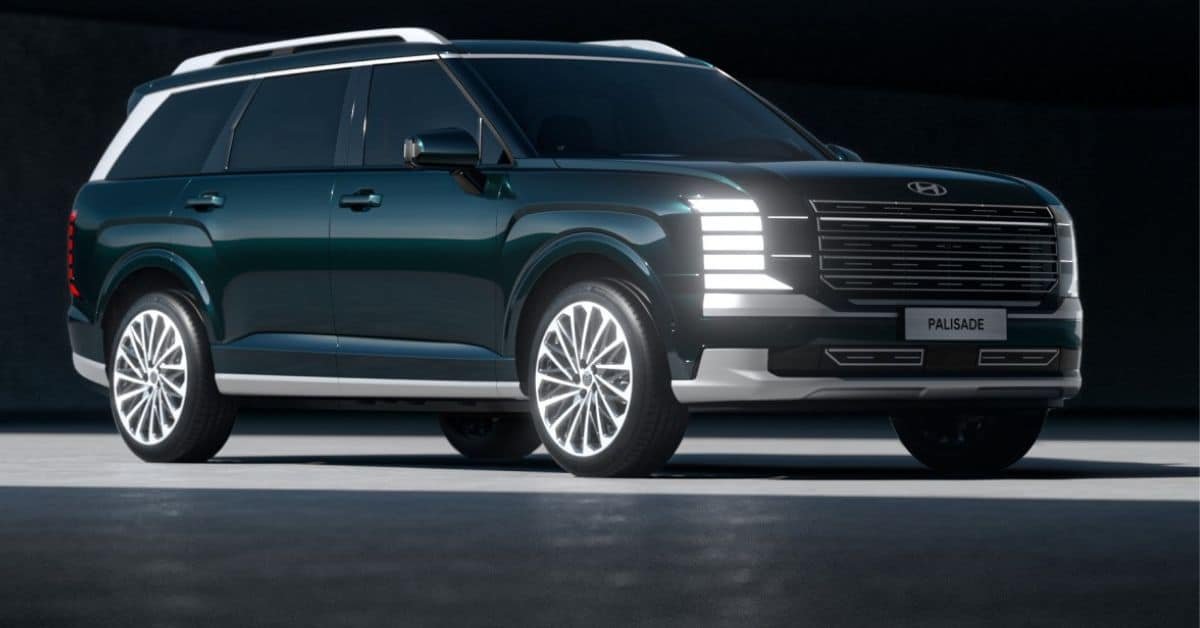

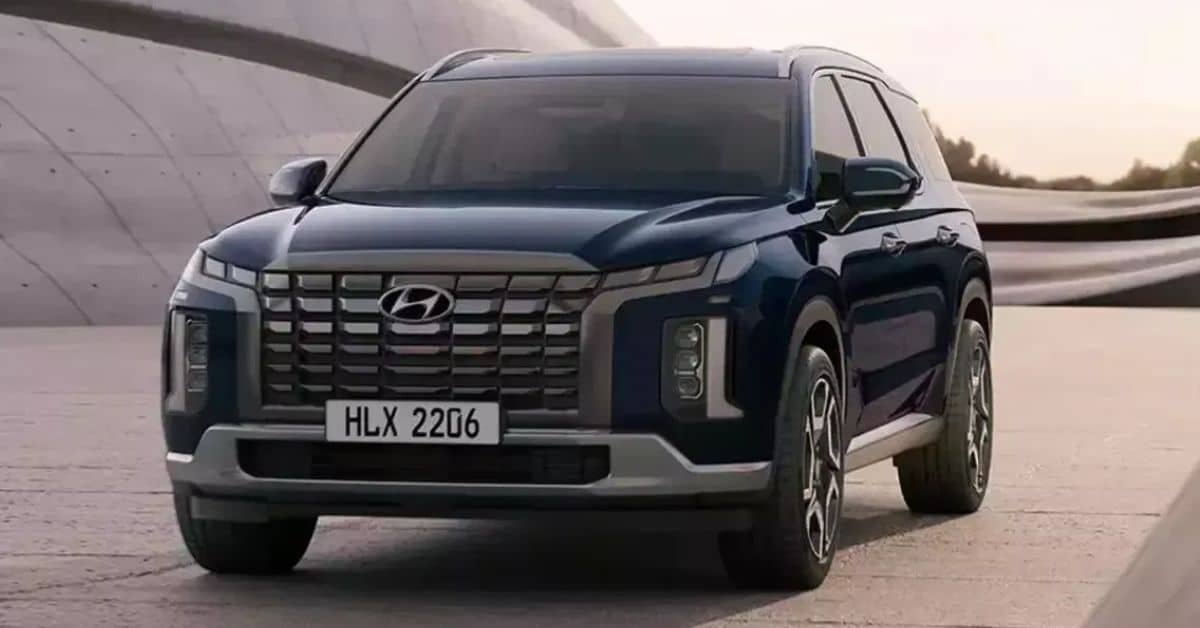
The Hyundai Palisade is generating interest as an upcoming large three-row SUV in India, with an estimated price around ₹40 lakh and an expected launch in mid-2026. For many buyers, this raises a core ownership question: should I wait for this petrol SUV or consider electric SUV options available today? This guide helps you compare the upcoming Palisade with electric SUV alternatives from a practical buyer perspective.
What the Upcoming Hyundai Palisade Offers
The Palisade is positioned as a premium full-size SUV with:
- Three rows of seating suitable for families
- A comfort-oriented ride rather than sportiness
- A premium interior with tech and safety features
- A design focused on passenger space and highway comfort
For buyers prioritising large physical space and traditional SUV characteristics, the Palisade may appeal once it lands.
EV Alternatives Worth Considering Now
In the same price category and slightly above, several electric SUVs offer:
🚀 Join Our Tech Community!
Get the latest news, updates, and tech trends delivered straight to your phone. Never miss an update!
- Lower running costs due to cheaper energy and fewer moving parts
- Reduced maintenance compared with petrol engines
- Strong safety and technology features
- Better urban and highway efficiency
Electric SUVs also benefit from government incentives and lower total cost of ownership over time.
Running and Ownership Costs: Petrol vs Electric
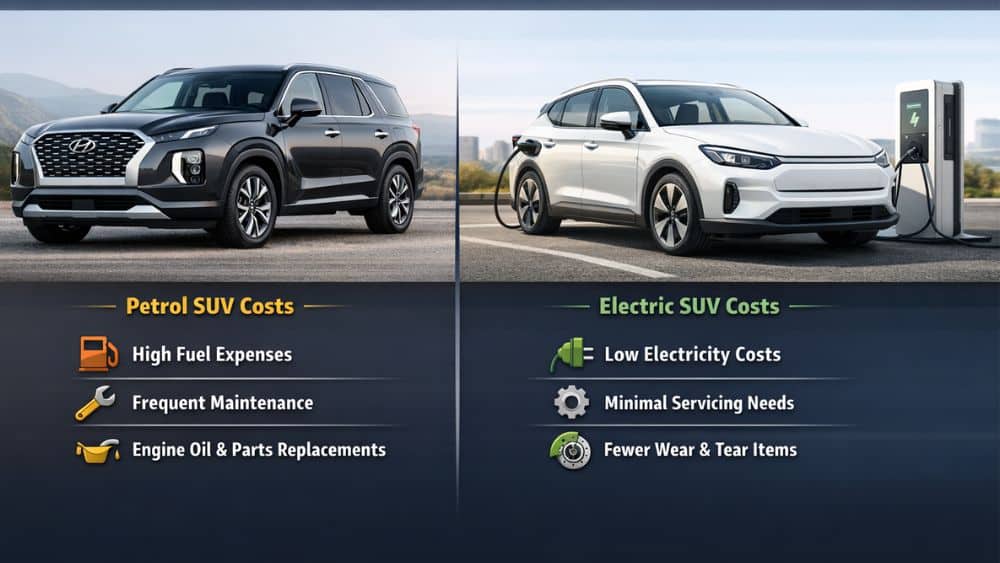
A large petrol SUV like the Palisade will have:
- Higher fuel costs with rising petrol prices
- Regular servicing needs including engine oil, filters, and drivetrain upkeep
- Greater long-term spend on consumables
EV SUVs, by contrast, typically have:
- Lower per-km energy cost when charged at home
- Fewer mechanical parts meaning lower scheduled maintenance
- Regenerative braking that reduces wear on brakes
For buyers planning 5–8 years of ownership, this cost gap often becomes significant.
Practical Daily Use and Charging
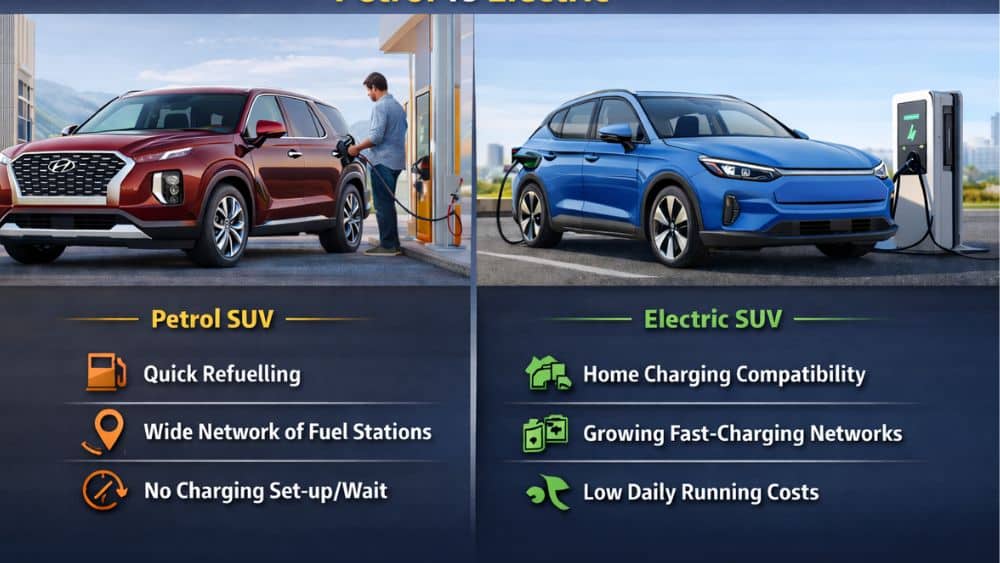
Petrol SUVs like the Palisade offer:
- Easy refuelling at widespread fuel stations
- No charging wait times
Electric SUVs now offer:
- Expanding fast-charging networks
- Comfortable daily range suitable for most city and highway trips
- Home charging convenience that many owners find practical for daily use
If you drive mainly within the city and have home or workplace charging, an EV can fit seamlessly into daily routines.
Resale and Long-Term Value Considerations
Petrol SUVs have traditionally held strong resale values, but the market is shifting as EV adoption grows. Well-established EV models are increasingly retaining value, especially in urban markets with better charging access.
For the upcoming Palisade, resale value will depend on:
- Brand perception
- Market appetite for large petrol SUVs in future
- Fuel price trends
EVs will continue to appeal to buyers focused on lower running costs and future-proof mobility.
Technology and Future Relevance
Electric SUVs often come with:
- Over-the-air software updates
- Advanced driver assistance systems
- Connected features that evolve over time
The Palisade is expected to offer strong in-cab tech for its class, but without the inherent software-defined flexibility of many modern EV platforms.
Who Should Wait for the Palisade?
Waiting for the Palisade may make sense if:
- You need large three-row space and petrol powertrain is a priority
- Home charging is not feasible
- You value traditional SUV driving dynamics
Who Should Consider an EV Instead
Choosing an electric SUV now may be better if you:
- Want lower running and maintenance costs
- Drive mostly in city and short highway trips
- Prefer technology that stays current longer
Final Ownership Perspective
The decision between waiting for the upcoming Hyundai Palisade and opting for an EV SUV today ultimately comes down to your priorities. If space and traditional SUV characteristics outweigh total cost and future mobility trends, waiting might fit your plans. If lowering running costs, enjoying advanced electric technology, and owning a future-ready vehicle matter more, an electric SUV available today offers tangible benefits.