
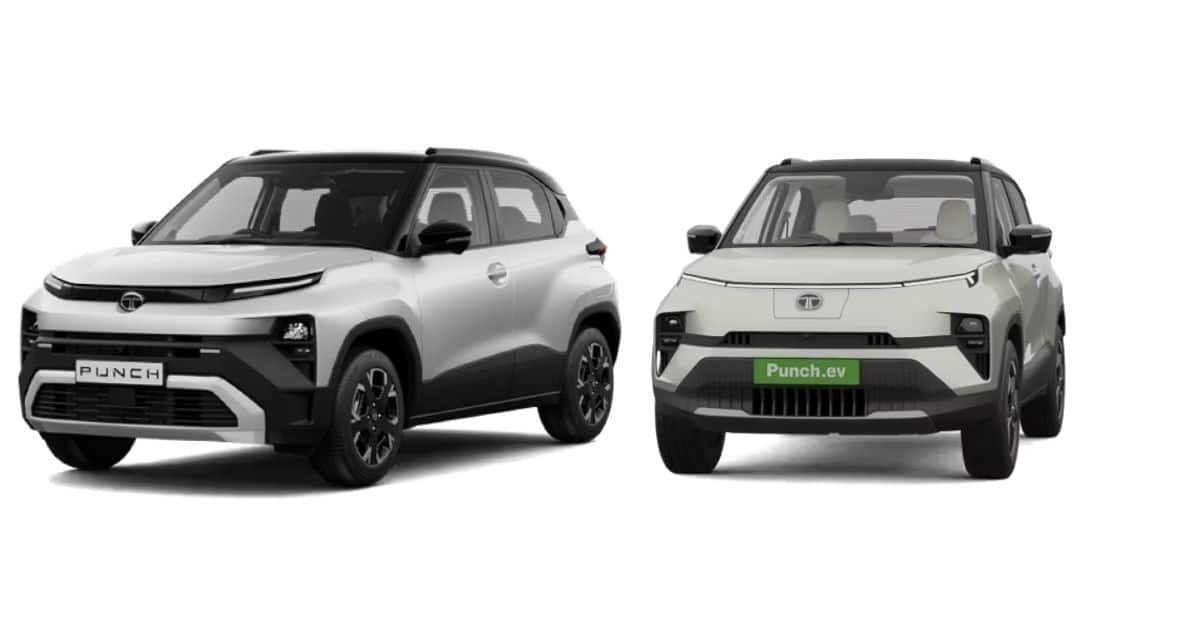

Buyers looking at the Tata Punch today face a genuine dilemma. On one side is the new Tata Punch (petrol) with familiar technology and lower upfront cost. On the other is the Tata Punch EV, promising lower running costs and quieter daily driving.
which one is better to own, not which one looks better on paper.
Understanding the Real Difference
Both cars share a similar size and positioning, but ownership experience differs significantly.
- The petrol Punch follows a traditional ownership model
- The Punch EV changes how you fuel, maintain, and use the car daily
Choosing between them depends more on usage pattern than brand or features.
🚀 Join Our Tech Community!
Get the latest news, updates, and tech trends delivered straight to your phone. Never miss an update!
Purchase Price and Entry Cost
The petrol Tata Punch is cheaper to buy upfront. This makes it attractive for buyers on a strict budget or those upgrading from older small cars.
The Punch EV costs more initially because of the battery. However:
- EVs attract lower GST
- Registration charges may be reduced or waived in some states
Even with these benefits, the EV still demands a higher initial outlay.
If upfront affordability is the priority, the petrol Punch is easier to own.
Daily Running Cost Comparison
This is where the ownership experience starts to diverge.
- Petrol Punch: fuel cost typically ₹6–₹7 per km
- Punch EV (home charging): roughly ₹1–₹1.5 per km
For regular drivers, the difference adds up quickly. Monthly usage of 1,000 km can mean several thousand rupees saved with the EV.
If your driving is frequent and predictable, the Punch EV becomes financially attractive over time.
Maintenance and Service Reality
Petrol cars require:
- Engine oil changes
- Clutch and gearbox maintenance
- More mechanical servicing as the car ages
The Punch EV avoids most of this. Routine service focuses on inspections rather than replacements.
Over long-term ownership, service costs are lower and more stable with the EV, while petrol ownership expenses rise gradually.
Charging vs Fuel Convenience
Petrol ownership offers instant familiarity:
- Refuel anywhere in minutes
- No charging planning needed
Punch EV ownership depends on charging access:
- Home charging makes daily use simple
- Public charging requires some planning
If you can install a home charger, the EV feels effortless. Without home charging, petrol remains more convenient.
Long-Term Ownership Comfort
The Punch EV delivers:
- Silent driving
- Smooth acceleration
- Less vibration and fatigue
The petrol Punch feels more traditional and familiar, especially for highway driving and long trips without planning.
Comfort here is not about seats or features it’s about how the car behaves every day.
Five-Year Ownership Perspective
Over several years:
- Petrol ownership cost steadily increases with fuel and maintenance
- EV ownership benefits from low running cost consistency
For moderate to high usage owners, the Punch EV can end up cheaper to own overall, despite the higher purchase price.
For low-usage owners, petrol remains financially sensible.
Who Should Choose What?
Choose the new Tata Punch (petrol) if:
- You drive occasionally
- You cannot install home charging
- You want the lowest upfront cost
Choose the Tata Punch EV if:
- You drive daily
- You can charge at home
- You plan long-term ownership
There is no universal “better” choice.
The petrol Tata Punch is easier to buy, while the Punch EV is easier to live with over time provided your usage supports it.
The right decision is not about launch timelines or trends. It’s about how you actually use your car.