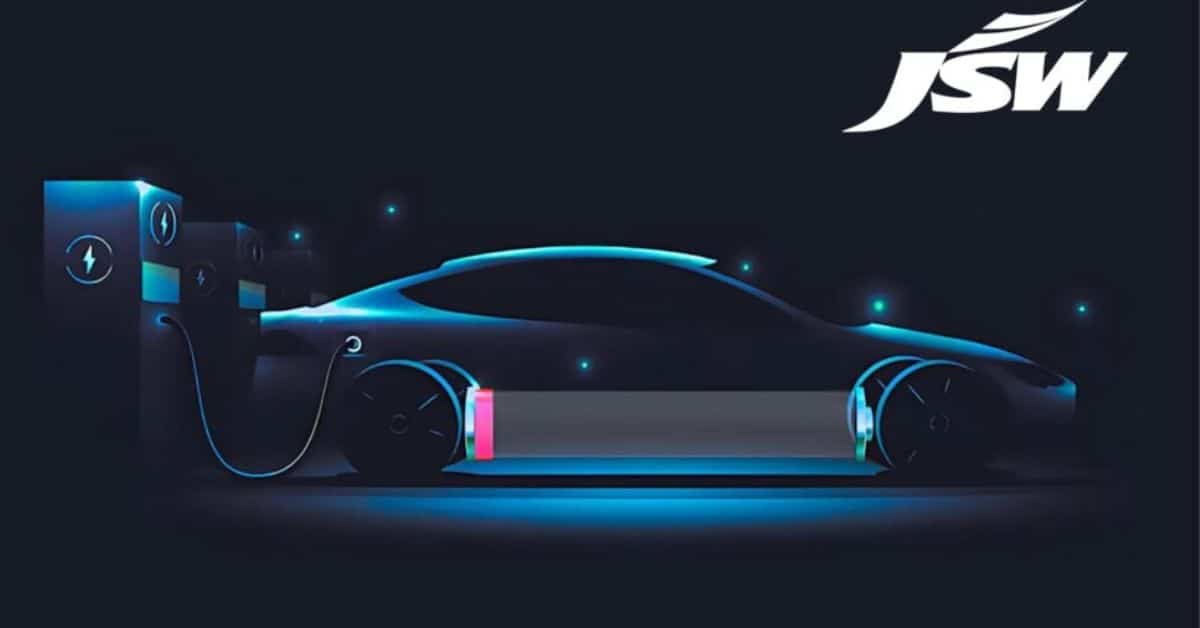

JSW Group chairman Sajjan Jindal has outlined an ambitious roadmap for the group’s automotive arm, JSW Motors, signalling a major entry into India’s fast-growing electric vehicle space. The company plans to launch a new range of electric and hybrid vehicles while simultaneously building large-scale lithium-ion battery manufacturing capacity in India.
This move places JSW Motors among the latest industrial heavyweights betting big on India’s electric mobility transition, as demand for cleaner and locally manufactured vehicles continues to rise.
JSW Motors: A New Automotive Push
JSW Motors has been created as a dedicated vehicle manufacturing business under the JSW Group. While the group already has a presence in the Indian auto market through its partnership in MG Motor India, JSW Motors will focus on developing its own independent vehicle platforms.
The company aims to design, manufacture, and sell electric vehicles that are competitive in both technology and pricing, targeting Indian consumers as well as potential export markets.
🚀 Join Our Tech Community!
Get the latest news, updates, and tech trends delivered straight to your phone. Never miss an update!
Upcoming Electric Vehicles: What to Expect
JSW Motors plans to introduce multiple new electric vehicles over the next few years. These vehicles are expected to cater to different segments, including mass-market passenger cars and possibly commercial electric vehicles.
Expected highlights of JSW’s upcoming EVs:
- Fully electric and hybrid powertrain options
- Platforms designed specifically for Indian driving conditions
- Focus on affordability and long-term ownership value
- Technology partnerships to support advanced software and hardware systems
The first set of vehicles is expected to arrive around late 2026, marking JSW Motors’ formal entry as a standalone automaker.
Lithium-Ion Battery Manufacturing Strategy
A major pillar of JSW Motors’ EV plan is battery manufacturing. The company has revealed its intention to build large-scale lithium-ion battery capacity in India to reduce dependence on imports and strengthen the local EV supply chain.
Battery plan key points:
- Targeted battery capacity of up to 50 GWh over time
- Phased development starting with smaller capacities
- Focus on supplying batteries for JSW’s own vehicles and energy storage needs
- Localization of battery technology to support cost reduction
This move aligns with India’s broader push for domestic battery production and energy security.
Global Technology Partnerships in Progress
To accelerate development, JSW Motors is in discussions with international technology partners for vehicle platforms, battery chemistry, and EV software systems. These collaborations are aimed at bringing proven global expertise into JSW’s India-focused manufacturing ecosystem.
The strategy is to combine global technology with local manufacturing scale, ensuring faster product development while keeping costs under control.
Manufacturing and Production Outlook
JSW Motors plans to establish dedicated manufacturing facilities in India to support vehicle assembly and battery production. These facilities will play a key role in creating a fully integrated EV ecosystem under the JSW umbrella.
The company is evaluating locations that can support long-term scale, supply chain efficiency, and employment generation.
Role of MG Motor India Partnership
JSW Group already holds a significant stake in MG Motor India and plans to increase its involvement in the joint venture. While MG Motor India will continue as a separate brand, JSW Motors’ learnings from this partnership are expected to support its independent EV journey.
This dual strategy allows JSW to gain immediate market presence through MG while building its own future-focused automotive brand.
Why JSW’s EV Entry Matters
JSW Motors’ plans highlight a shift in India’s EV landscape, where large industrial groups are now investing heavily in both vehicles and battery infrastructure. This approach could help accelerate EV adoption by improving availability, reducing costs, and strengthening domestic manufacturing.
With electric mobility gaining policy and consumer support, JSW Motors’ entry could significantly reshape competition in the Indian EV market over the next decade.
Quick Summary
- JSW Motors is launching its own electric and hybrid vehicles
- First EV models expected around late 2026
- Battery manufacturing capacity planned up to 50 GWh
- Focus on local production and global technology partnerships
- Strategy combines vehicle manufacturing, batteries, and long-term EV ecosystem developmen