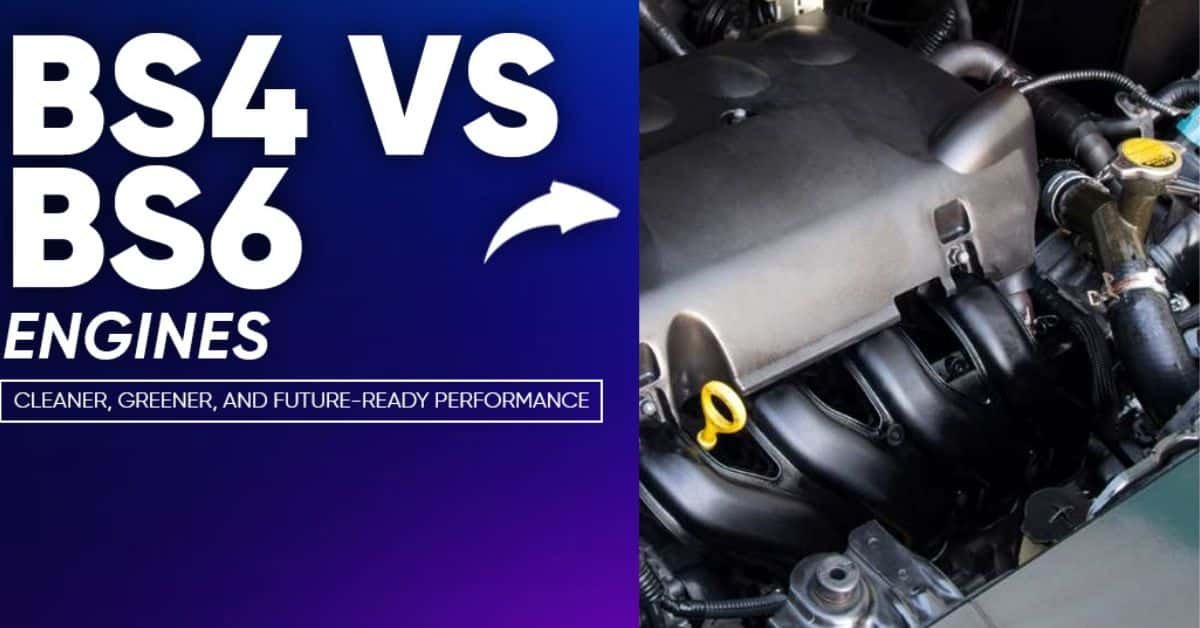

India’s transition from BS4 to BS6 emission norms marked one of the biggest regulatory shifts in the automobile sector. While many vehicle owners believe the difference between BS4 and BS6 is minor, real-world data shows the pollution gap is far wider than expected. The newer BS6 standard has significantly tightened emission limits, forcing manufacturers to adopt cleaner fuel and advanced technology to reduce harmful gases.
This change is not just about compliance. It directly impacts air quality, public health, and the long-term sustainability of urban mobility in India.
What Are BS4 and BS6 Emission Standards?
Bharat Stage emission norms regulate the amount of pollutants vehicles are allowed to emit.
BS4 was implemented before April 2020 and allowed higher emission levels, especially from diesel vehicles. BS6 replaced BS4 nationwide in April 2020, skipping BS5 entirely, to align India with stricter global standards.
🚀 Join Our Tech Community!
Get the latest news, updates, and tech trends delivered straight to your phone. Never miss an update!
The jump from BS4 to BS6 is equivalent to nearly a decade of emission tightening done in a single step.
The Real Pollution Difference Between BS4 and BS6
The biggest gap lies in the control of nitrogen oxides and particulate matter, both of which are major contributors to smog and respiratory diseases.
Key emission differences include
• Diesel NOx emissions reduced by nearly 70 percent under BS6
• Petrol NOx emissions cut by around 25 percent
• Particulate matter limits made far stricter for both petrol and diesel vehicles
• Cleaner fuel with far lower sulphur content introduced nationwide
BS6 fuel contains only 10 parts per million sulphur, compared to 50 ppm under BS4. This alone plays a major role in reducing harmful exhaust gases.
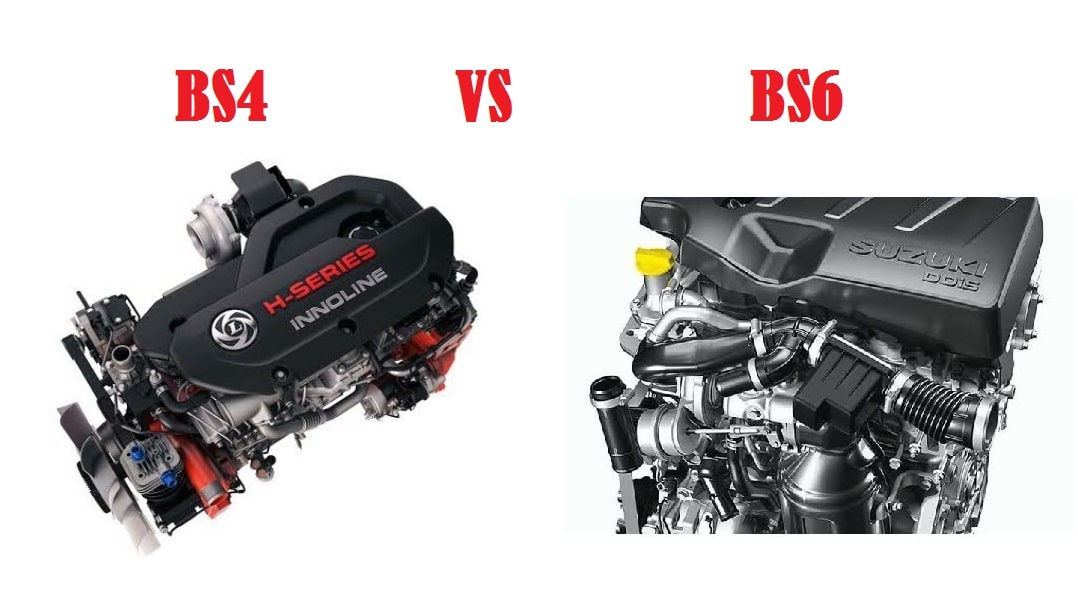
Why Diesel Vehicles Show the Biggest Improvement
Diesel vehicles were the main focus of the BS6 upgrade because they were the largest contributors to urban pollution.
Under BS6 norms, diesel vehicles must control
• Nitrogen oxides
• Fine particulate matter
• Unburnt hydrocarbons
To achieve this, manufacturers had to redesign engines and add new exhaust treatment systems, making BS6 diesel vehicles dramatically cleaner than their BS4 counterparts.
Advanced Technology in BS6 Vehicles
BS6 vehicles are not just cleaner on paper. They rely on new technology that actively reduces emissions in real-world driving.
Key BS6 technologies include
• Diesel Particulate Filter to trap soot particles
• Selective Catalytic Reduction systems to reduce NOx emissions
• On-board diagnostics that monitor emission performance continuously
These systems were not mandatory under BS4, which is why older vehicles emit more pollution even when using cleaner fuel.
Can BS4 Vehicles Run on BS6 Fuel?
Yes, BS4 vehicles can use BS6 fuel without mechanical issues. However, cleaner fuel alone cannot compensate for older engine designs and missing emission control systems.
This means
• BS4 vehicles still emit significantly more pollution
• Emission reduction is limited compared to BS6 vehicles
• Long-term air quality goals cannot be achieved without newer vehicles
Impact on Air Quality and Public Health
The shift to BS6 norms directly helps reduce
• Urban smog levels
• Respiratory and lung diseases
• Long-term exposure to toxic gases
Cities with heavy traffic benefit the most, as cleaner vehicles lower overall pollution concentration, especially during peak hours.
Why the BS6 Transition Matters Today
With growing concerns around air quality, several regions are already discouraging or restricting older vehicles. The wide emission gap between BS4 and BS6 explains why such measures are becoming more common.
BS6 vehicles are not just a regulatory upgrade. They represent a fundamental change in how clean and responsible modern mobility needs to be in India.
Final Takeaway
The difference between BS4 and BS6 vehicles is far bigger than many people assume. BS6 norms dramatically cut harmful emissions, introduce cleaner fuel, and mandate advanced pollution-control technology. While BS4 vehicles still operate on Indian roads, the long-term solution for cleaner air clearly lies in adopting newer BS6-compliant vehicles.