
When considering an electric vehicle for daily urban and highway use in India, understanding the cost of ownership is one of the central concerns for prospective buyers. The Toyota Urban Cruiser Ebella enters the competitive mid-size EV SUV space with features and technology aimed at delivering value alongside modern EV conveniences.
What the Toyota Urban Cruiser Ebella EV Is
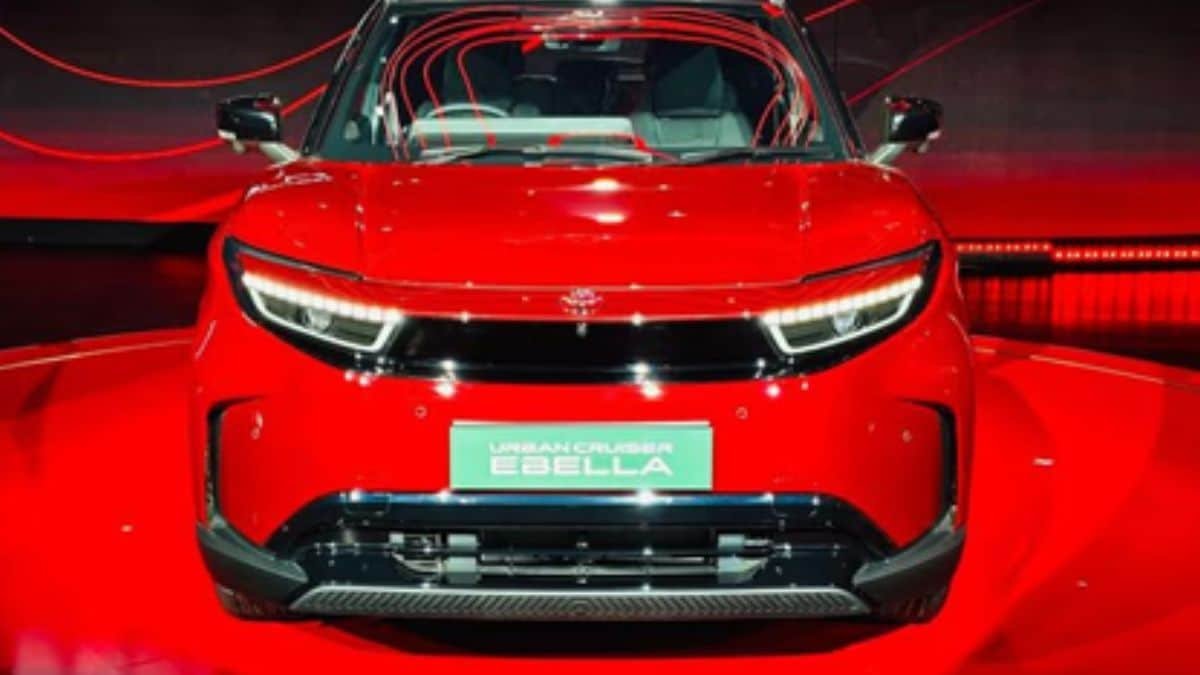
The Toyota Urban Cruiser Ebella is Toyota’s first mainstream electric SUV for the Indian market. Built on the same electric platform as the Suzuki e-Vitara, it carries Toyota-specific styling and feature details while sharing core hardware components with its sibling. The SUV is available with two battery pack options, typically a 49 kWh or a 61 kWh lithium-ion battery, catering to different range and performance preferences. Depending on the battery choice, real-world driving range can vary between approximately 440 km and up to 543 km on a single charge under standard testing conditions.
Purchase Price and Initial Investment
One of the first components of EV ownership cost is the purchase price. Industry estimates for the Urban Cruiser Ebella place it roughly in the ₹18 lakh to ₹25 lakh (ex-showroom) range in India. Actual pricing can vary based on battery variant, trim level, and state-specific tax incentives. An EV at this price bracket sits in the mid-tier category for Indian EVs, competing with other segment offerings.
While the upfront cost may appear higher than comparably sized internal-combustion engine (ICE) SUVs, EVs generally offset this through significantly lower running costs over the vehicle’s lifetime.
Charging Cost vs Fuel Cost
A major cost advantage of EV ownership comes from the lower energy cost per kilometre compared with petrol or diesel. Electricity rates in India tend to be a fraction of fuel costs when converted to energy per kilometre. Depending on whether you charge at home or use public fast chargers, the per-km cost can vary:
- Home charging: Typically the cheapest option. If your electricity tariff is ₹8–₹10 per kWh, charging a 61 kWh battery fully could cost roughly ₹488–₹610. For a 500 km effective range, that equates to around ₹1.00–₹1.20 per km.
- Public chargers: Fast charging stations often have higher per-kWh pricing, but even then overall energy costs can remain lower than fuel equivalents.
By contrast, a petrol SUV averaging 12 km per litre with fuel costing ₹100 per litre would incur about ₹8.30 per km in fuel expense, making the EV’s lower energy cost a clear saving over time.
Battery Health and Warranty Considerations
Battery health is a crucial factor in ownership cost. The Urban Cruiser Ebella typically comes with a multi-year battery warranty, often extending to eight years on the battery pack. A longer warranty can provide peace of mind and reduce potential expensive repairs. However, it is essential to read the fine print regarding covered degradation levels and service conditions.
Maintenance and Service Savings
EVs like the Urban Cruiser Ebella generally have fewer moving parts than ICE vehicles. There is no engine oil to change, no timing belts, and fewer components that typically wear out in a combustion vehicle. This translates to:
• Lower scheduled maintenance costs
• Less frequent brake servicing, thanks to regenerative braking
• Reduced long-term servicing needs
That said, EVs are not maintenance-free. Periodic checks on suspension, tyres, HVAC filters, coolant (if applicable), and brake fluids are still needed. Also, independent charging port care and software updates may be part of routine servicing.
Insurance Costs
Insurance premiums for EVs can be slightly higher than for comparable ICE vehicles due to the higher replacement cost of EV batteries and specialized components. However, many insurers now offer EV-specific packages that adjust premiums based on battery warranty, vehicle age, and EV safety ratings. It’s advisable to shop around for EV-centric insurance covers that could lower your annual insurance cost.
Resale Value Expectations
Resale value is a critical metric for total cost of ownership. While EV resale pricing in India is still evolving, factors that can influence the Urban Cruiser Ebella’s future value include:
• Battery condition and warranty remaining
• Government incentives transferred to the new owner
• Overall demand for used EVs
Traditional ICE vehicles have had decades of resale data; EVs are newer in the market, and their depreciation trends can be less predictable. However, strong brand value from Toyota and a good battery warranty can help support reasonably stable resale values over time.
Government Incentives and Savings
Buying an EV in India can also unlock government incentives such as reductions in road tax and registration fees in certain states. These incentives reduce the effective purchase price upfront and contribute to lower total ownership cost. Specific incentives vary by state and can change over time.
Charging Infrastructure Considerations
Ownership costs are also shaped by how you charge the vehicle. Installing a home charger involves an initial setup cost that can range based on charger capacity and electrician charges. However, this investment typically pays off quickly through cheaper home charging compared to public stations. Planning for access to reliable public chargers near your commute routes further enhances the ownership experience and reduces range anxiety.
Total Cost Over Time
When you add together:
• Lower energy costs per kilometre
• Reduced maintenance and service expenses
• Battery warranty protection
• Potential government incentives
