
Tata Motors is gearing up to launch the new Tata Punch 2026 facelift on January 13, 2026, marking a notable update to its popular micro-SUV that has been a strong seller in India since its debut in 2021. The facelift brings design changes, updated features and cabin improvements, positioning it as a more modern choice compared with the outgoing model.
What’s Different in the New Tata Punch
Exterior styling updates

The 2026 Punch facelift receives notable exterior tweaks compared to the older model. It adopts slimmer LED daytime running lights, a sharper grille, updated bumper design with more pronounced black cladding, and connected LED tail lamps that give it a more contemporary look. The silhouette remains familiar, but the front and rear treatments make the new Punch appear more rugged and modern.
Interior and features
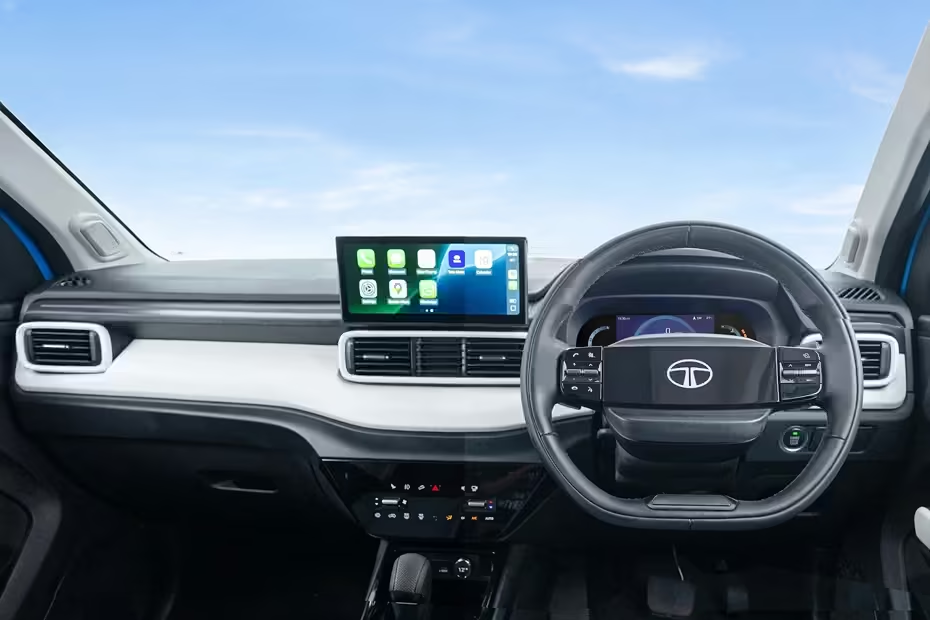
Inside, Tata has introduced a more up-to-date cabin. The facelift is expected to come with a larger touchscreen infotainment system (around 10.25 inches), a two-spoke steering wheel, revised dashboard trims, and potentially haptic climate controls similar to newer Tata models. These updates enhance the tech feel and usability over the old Punch interior.
Mechanicals and powertrain
Under the hood, the core engine remains a 1.2-litre petrol unit, with both manual and AMT options. Tata is also expected to introduce a turbo-petrol engine variant for the facelift model, potentially offering stronger performance than before.
Pricing and variants
Early indications suggest the facelift will be slightly more expensive than the outgoing Punch. The old Punch has prices starting from around ₹5.50 lakh, while the new facelift is expected to start near ₹6.00 lakh (ex-showroom), with its top variants reaching higher price bands due to extra features.
How the Old Punch Stacks Up
Since its launch in 2021, the original Tata Punch has been recognised for its strong safety credentials, including a 5-star Global NCAP rating, and a compact design that made it a favourite in India’s micro-SUV segment. It offers petrol and CNG engine options, with good ground clearance and practicality for city and occasional highway driving.
The old Punch’s interior was already considered feature-rich for its segment, with offerings like Android Auto/Apple CarPlay and decent comfort levels, but it lacked some of the latest tech touches that buyers now expect in 2026.
Which One Is Better?
Design and appeal:
The new Punch takes a clear lead with refreshed styling cues, LED lighting, and a stronger SUV stance. Buyers wanting a more modern-looking car will lean toward the 2026 facelift.
Features and tech:
If you value newer tech such as a larger touchscreen, updated steering wheel and enhanced cabin finishes the facelift offers a meaningful upgrade over the older interior.
Value and pricing:
For value-oriented buyers on a strict budget, the outgoing Punch with its lower starting price remains attractive, especially in the used or entry-level new car market. However, the facelift’s added tech could justify the modest premium for many buyers.
Engine options:
Both models share the core petrol engine, but the potential addition of a turbo-petrol option in the facelift could widen appeal for drivers seeking a bit more performance
Bottom Line
The 2026 Tata Punch facelift sharpens the popular micro-SUV’s appeal with updated design and cabin tech, making it a stronger contender in today’s market. The old Punch still holds value for buyers prioritising lower price and tried-and-tested performance. Your choice will ultimately depend on whether you prefer the latest features and styling or better affordability.
