
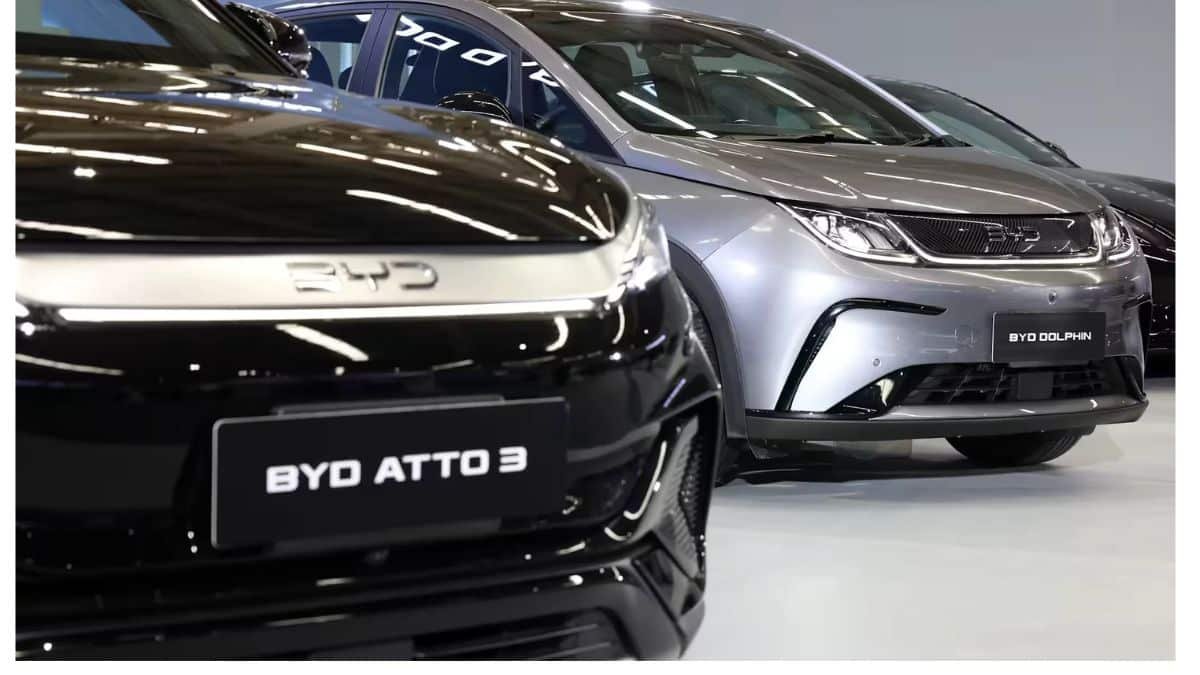
Electric vehicles have outsold petrol-powered cars in the European Union for the first time on a monthly basis, marking a notable shift in one of the world’s largest passenger vehicle markets. The milestone reflects accelerating adoption of battery-electric vehicles in Europe and highlights the continued decline in demand for traditional petrol cars.
The crossover occurred in a recent month when registrations of battery-electric vehicles marginally exceeded those of petrol-powered cars. While the gap was narrow, the result is significant because petrol cars have historically dominated EU passenger vehicle sales for decades. The data indicates a structural change rather than a one-off spike driven by incentives or fleet purchases alone.
Electric vehicle registrations recorded strong year-on-year growth during the month, while petrol car sales declined sharply. This contrasting trend underscores how consumer preferences in Europe are shifting toward electrified powertrains, supported by wider model availability, improving charging infrastructure, and stricter emissions regulations.
Despite this monthly milestone, petrol cars continue to lead overall annual sales in the EU. Electric vehicles still account for a smaller share of total yearly registrations, suggesting that the transition is ongoing rather than complete. However, the fact that EVs have been able to surpass petrol cars even briefly is seen as an important signal of momentum.
Electrified vehicles as a whole — including battery-electric cars, plug-in hybrids, and full hybrids — now make up a substantial portion of new registrations across the EU. This broader electrification trend has reduced the dominance of pure internal combustion engine vehicles, particularly petrol models, which have seen consistent declines.
The shift has been influenced by multiple factors. European emissions norms have become progressively tighter, pushing manufacturers to prioritise low- and zero-emission vehicles. At the same time, several countries have announced long-term plans to phase out the sale of new petrol and diesel cars, shaping buyer expectations and product strategies.
Automakers have responded by rapidly expanding their electric portfolios. Both established European manufacturers and newer entrants have introduced EVs across price segments, increasing competition and giving consumers more choice. This has helped EVs move beyond early adopters into more mainstream buyer groups.
While diesel cars have already lost significant ground in Europe over the past decade, petrol vehicles have remained resilient until recently. The latest data suggests that petrol cars may now be entering a similar phase of decline as electrification gains pace.
For India, developments in the European market matter because global product planning, technology investment, and supply chains are increasingly interconnected. Trends that become established in Europe often influence vehicle development cycles and electrification strategies for markets like India over time.
Although India’s market dynamics differ significantly from Europe’s, the EU milestone reinforces the direction of global passenger vehicle transition. Electric vehicles are no longer competing only with diesel; they are now directly challenging petrol cars in large, mature markets.
The EU sales crossover does not signal the end of petrol cars, but it does mark a symbolic turning point. As electric vehicles continue to grow in volume and acceptance, similar inflection points may emerge in other regions over the coming years.
