
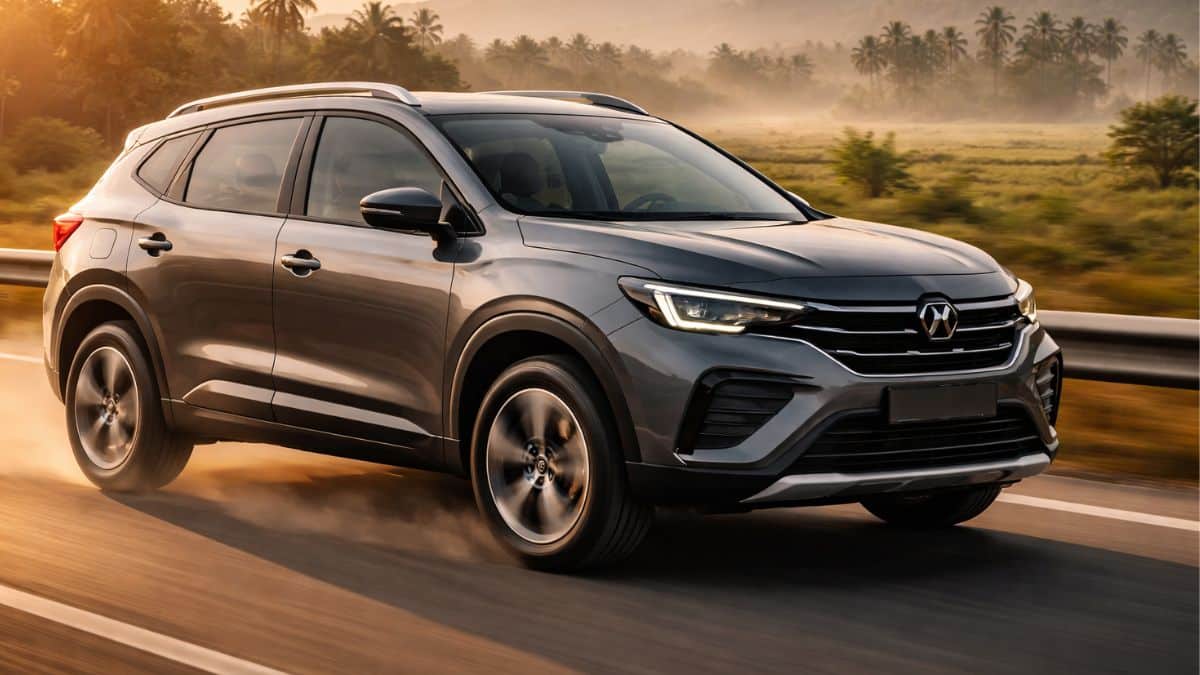
Diesel SUVs under ₹15 lakh continue to attract Indian buyers who want torque-rich performance, better highway efficiency, and strong resale value. But with stricter emission norms, rising fuel price volatility, and growing EV awareness, many buyers are re-evaluating their options.
Anyone reviewing the fuel type decision 2026 from a fuel-economy perspective may now be questioning whether diesel still makes sense in the compact and mid-size SUV segment.
What Has Changed for Diesel Buyers in 2026?
The biggest shifts affecting diesel SUV buyers today include:
• BS6 Phase 2 emission compliance
• Higher upfront price difference vs petrol
• Increasing focus on hybrid and EV alternatives
• Urban pollution policy discussions
However, diesel engines under ₹15 lakh remain popular in compact SUVs because of:
• High torque output
• Better real-world mileage
• Strong load-carrying ability
• Proven highway durability
Unlike pure city cars, SUVs are often used for mixed driving — including long-distance travel where diesel still shines.
Running Cost Advantage: Still Relevant?
For drivers covering more than 15,000 km annually, diesel continues to offer lower per-kilometre running cost compared to petrol SUVs.
Even though EV discussions are expanding — especially when evaluating the city EV charging burden in many urban areas — diesel remains practical for buyers without reliable charging access or those who frequently travel on intercity routes.
Diesel mileage in compact SUVs typically ranges between 18–22 km/l in mixed usage, depending on driving style.
Is the Price Gap Justified?
Diesel SUVs under ₹15 lakh usually cost ₹1–1.5 lakh more than their petrol counterparts.
To justify that difference:
• You should drive at least 12,000–15,000 km yearly
• You should plan ownership beyond 5 years
• You should value resale strength
Diesel SUVs generally retain resale value better than petrol SUVs in semi-urban and rural markets.
What About Emission Risks and Policy Uncertainty?
There is frequent speculation about diesel restrictions in major cities. However, as of 2026:
• Diesel cars compliant with BS6 norms remain legal
• No nationwide ban is announced
• 10-year registration rules apply in certain regions like Delhi NCR
Policy risk exists — but it is location-specific, not nationwide.
Buyers in Tier-2 and Tier-3 cities face far fewer restrictions.
Hybrid and EV Alternatives: A Real Threat?
Hybrid SUVs are gradually entering the sub-₹20 lakh segment. At the same time, uncertainty caused by EV launch postponements is making some buyers cautious about switching immediately.
For under ₹15 lakh buyers, hybrid options remain limited and expensive. EV SUVs in this budget are still emerging and depend heavily on charging infrastructure access.
Until EV ecosystem maturity improves, diesel remains a reliable fallback for heavy users.
Maintenance Cost Reality
Modern diesel engines are more complex than older versions due to:
• Diesel particulate filter systems
• EGR components
• High-pressure fuel injection
However, long-term diesel maintenance is still manageable if:
• Regular highway runs prevent DPF clogging
• Quality diesel fuel is used
• Scheduled servicing is followed
For mostly short-distance city users, petrol may be less complicated. But for mixed or highway-heavy usage, diesel remains suitable.
Who Should Still Buy a Diesel SUV Under 15 Lakh?
Diesel makes sense if:
• You drive long distances regularly
• Your city has no diesel age restrictions
• You plan long-term ownership
• You value torque-heavy driving feel
• You prefer proven resale stability
Diesel may not make sense if:
• Your usage is under 8,000 km per year
• You primarily drive short city trips
• You plan to sell within 3 years
Final Verdict
Yes — diesel SUVs under ₹15 lakh still make sense in 2026 for the right buyer profile.
They are no longer the automatic default choice. But for high-mileage drivers seeking torque, fuel efficiency, and resale confidence, diesel continues to offer practical value.
The key is honest self-evaluation of usage pattern rather than reacting to market noise.
For buyers outside metro policy zones, diesel remains a strong, dependable option in the sub-₹15 lakh SUV segment.
