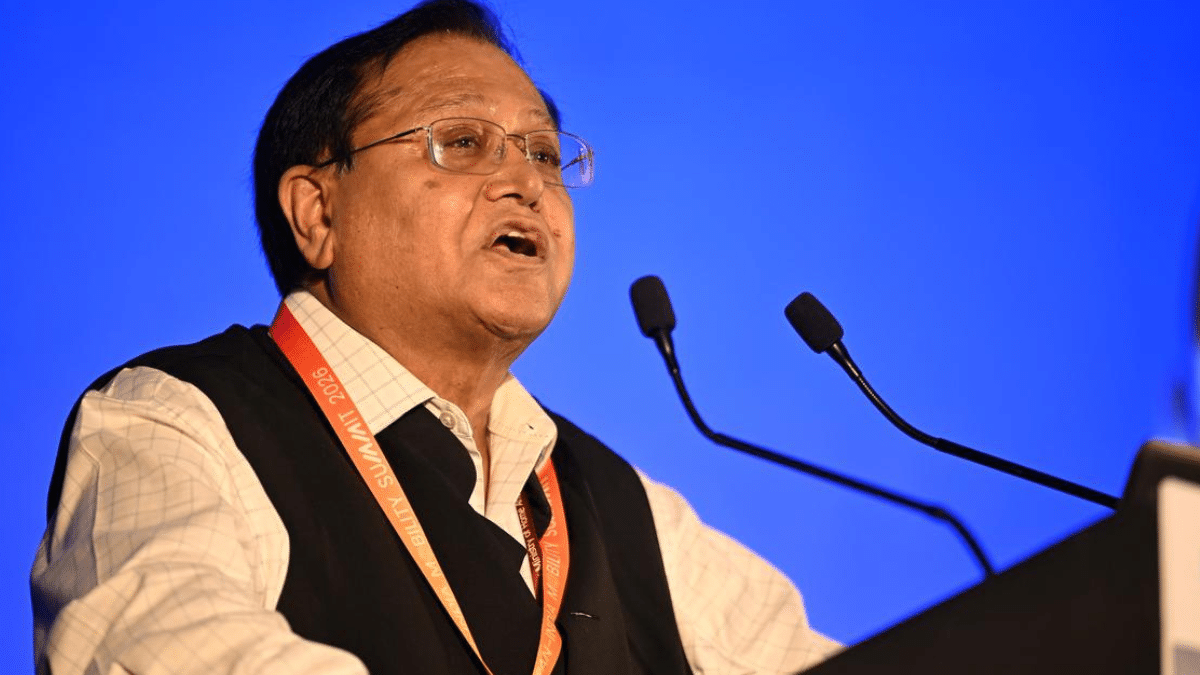

NITI Aayog has postponed its Global Electric Mobility Summit due to the ongoing conflict in West Asia. The decision highlights how geopolitical tensions are beginning to affect India’s efforts to accelerate electric vehicle adoption and attract global investment.
The summit was planned as a major international platform in New Delhi, bringing together global automakers, investors, and policymakers. However, disruptions in international travel and broader uncertainties have led to its deferment.
This delay comes at an important time for India’s EV ambitions. The country has been positioning itself as a key destination for electric vehicle manufacturing and global partnerships, especially as companies look to diversify their supply chains.
One of the main objectives of the summit was to attract foreign investment into India’s EV ecosystem. The government has been introducing policies and incentives to encourage global manufacturers to set up local production. However, progress has been gradual, and such events play a crucial role in building momentum.
🚀 Join Our Tech Community!
Get the latest news, updates, and tech trends delivered straight to your phone. Never miss an update!
The postponement may temporarily slow down engagement with international stakeholders. Global collaborations, technology sharing, and investment commitments are critical for scaling India’s electric mobility ecosystem, and such platforms help facilitate these discussions.
At the same time, India’s domestic EV market continues to grow steadily. Electric two-wheelers and emerging segments are seeing increased adoption, driven by policy support and rising awareness among consumers.
Interestingly, while the West Asia conflict has disrupted global mobility initiatives, it has also reinforced the need to reduce dependence on fossil fuels. Concerns over fuel supply and pricing are pushing governments and consumers toward electric mobility solutions.
For India, this situation presents both challenges and opportunities. While external factors may delay certain initiatives, they also highlight the importance of building a strong and self-reliant EV ecosystem.
The delay of the summit also points to the need for stronger policy frameworks to attract global investment. Enhancing incentives, improving infrastructure, and ensuring policy clarity will be key to driving faster adoption and investment.
NITI Aayog is expected to reschedule the summit once conditions stabilize. The event remains an important part of India’s long-term strategy to strengthen its position in the global electric mobility space.
The development underscores how global events can influence the pace of change in the automotive sector. As India continues its push toward electrification, adapting to such external challenges will be essential.