

Tesla is facing increasing scrutiny over its massive $1.3 trillion valuation, as analysts question whether its current performance supports such a premium. A recent warning from JP Morgan has intensified the debate, with the bank suggesting a potential downside of up to 60 percent in Tesla’s stock.
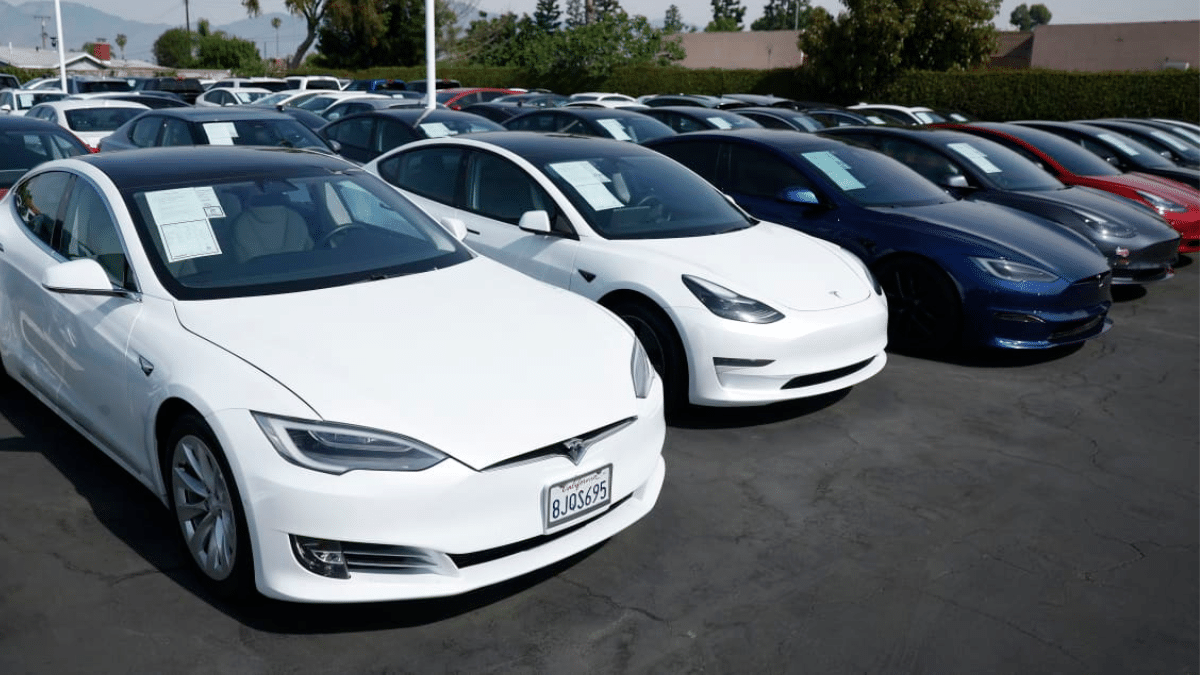
The concern comes at a time when Tesla’s core business is showing signs of pressure. The company has reported a gap between production and deliveries, leading to a build-up of unsold inventory. This situation raises questions about whether demand is keeping pace with supply.
Higher inventory levels often lead to pricing pressure, as companies may need to offer discounts to clear stock. This can impact profit margins and overall financial performance, especially in a competitive market.
Another major factor behind the cautious outlook is rising global competition. Electric vehicle manufacturers, particularly from China, are rapidly expanding their presence with competitive pricing and strong product offerings. This has intensified pressure on Tesla, which once dominated the EV segment.
🚀 Join Our Tech Community!
Get the latest news, updates, and tech trends delivered straight to your phone. Never miss an update!
The broader EV market is also becoming more complex. Demand fluctuations, evolving regulations, and cost pressures are affecting growth momentum. These factors make it more challenging for Tesla to maintain the high growth expectations that are reflected in its valuation.
According to JP Morgan, Tesla’s valuation appears to be driven more by future expectations than current financial performance. The company’s stock price reflects optimism around upcoming technologies rather than present-day results.
A significant part of Tesla’s future narrative is tied to emerging areas such as autonomous driving, robotaxis, and artificial intelligence. While these technologies have strong potential, they are still developing and carry uncertainties related to execution and timelines.
At the same time, some analysts remain optimistic about Tesla’s long-term prospects. They point to the company’s strong brand, technological leadership, and ability to innovate as key strengths that could support future growth.
The core debate revolves around how Tesla should be valued. While its automotive business is facing increasing competition, its technology-driven vision continues to attract investor interest.
The warning from JP Morgan highlights the risks associated with high valuations in a rapidly changing industry. As competition grows and market conditions evolve, Tesla’s ability to deliver on its long-term plans will play a crucial role in determining whether its current valuation can be sustained.