
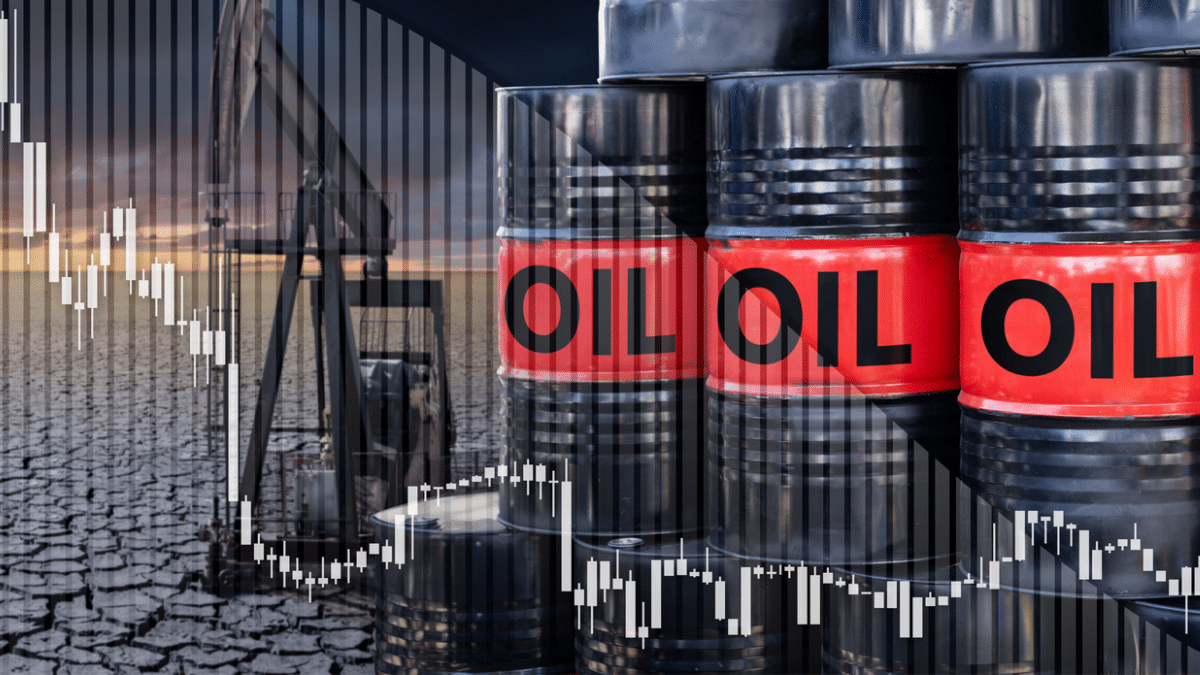

involving Iran. The escalation has raised concerns about disruptions to energy supply routes and increased uncertainty across global oil markets.
Energy analysts say the conflict has started to affect oil transportation and production in the region, prompting fears of supply shortages. These developments have pushed benchmark crude prices upward in recent trading sessions as traders react to potential risks in the global energy supply chain.
Oil Prices Climb Amid Supply Concerns
Oil prices increased after the expanding conflict created uncertainty around supply from the Middle East. Brent crude, the global oil benchmark, moved close to the mid-$80 per barrel range, while U.S. West Texas Intermediate crude traded around the high-$70 per barrel mark in recent sessions.
The rise reflects growing concern that geopolitical tensions could interrupt the flow of crude oil from one of the world’s most important energy-producing regions. Markets typically respond quickly to such risks, especially when major shipping routes or production facilities may be affected.
🚀 Join Our Tech Community!
Get the latest news, updates, and tech trends delivered straight to your phone. Never miss an update!
The recent upward movement in prices also marks multiple sessions of gains, indicating sustained pressure on global energy markets.
Shipping Risks in Key Oil Transit Routes
One of the major reasons behind rising prices is concern about disruptions along critical oil shipping routes in the Middle East. Several important maritime corridors handle a large portion of the world’s daily crude oil supply.
When tensions increase in these areas, shipping activity can slow due to security concerns, insurance risks, and precautionary measures taken by shipping companies. Any delay in tanker movement can tighten short-term oil supply in global markets.
Such developments often influence crude prices because global energy demand remains strong and supply chains depend heavily on smooth maritime transportation.
Production Uncertainty Adds Pressure
Alongside shipping concerns, uncertainty around oil production levels has added to market pressure. Producers in the region are closely monitoring the security situation as the conflict evolves.
Energy markets are highly sensitive to supply expectations. Even small changes in production outlook or export capacity can trigger significant price fluctuations in global crude markets.
Traders and energy companies are therefore reacting cautiously, factoring geopolitical risk into oil price movements.
Impact on Global Fuel Markets
Rising crude oil prices can affect fuel markets across the world. Higher crude costs often translate into increased prices for petrol, diesel, and aviation fuel, depending on domestic pricing policies in different countries.
For oil-importing nations, rising crude prices can increase transportation costs and put pressure on inflation. Industries that rely heavily on fuel, including logistics and aviation, are particularly sensitive to such changes.
Governments and central banks often monitor oil price trends closely because energy costs can influence broader economic conditions.
Global Oil Market Outlook in the Coming Weeks
Energy markets are expected to remain sensitive to geopolitical developments in the coming weeks. Traders, governments, and energy companies are closely tracking the situation to assess potential supply risks.
If tensions continue to affect production or shipping routes, oil prices could remain elevated in the near term. However, stability in the region could help ease supply concerns and calm market volatility.
For now, the widening conflict involving Iran has become a major factor influencing global oil markets, highlighting how geopolitical events can quickly affect energy prices worldwide.