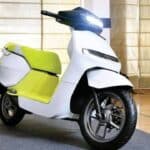
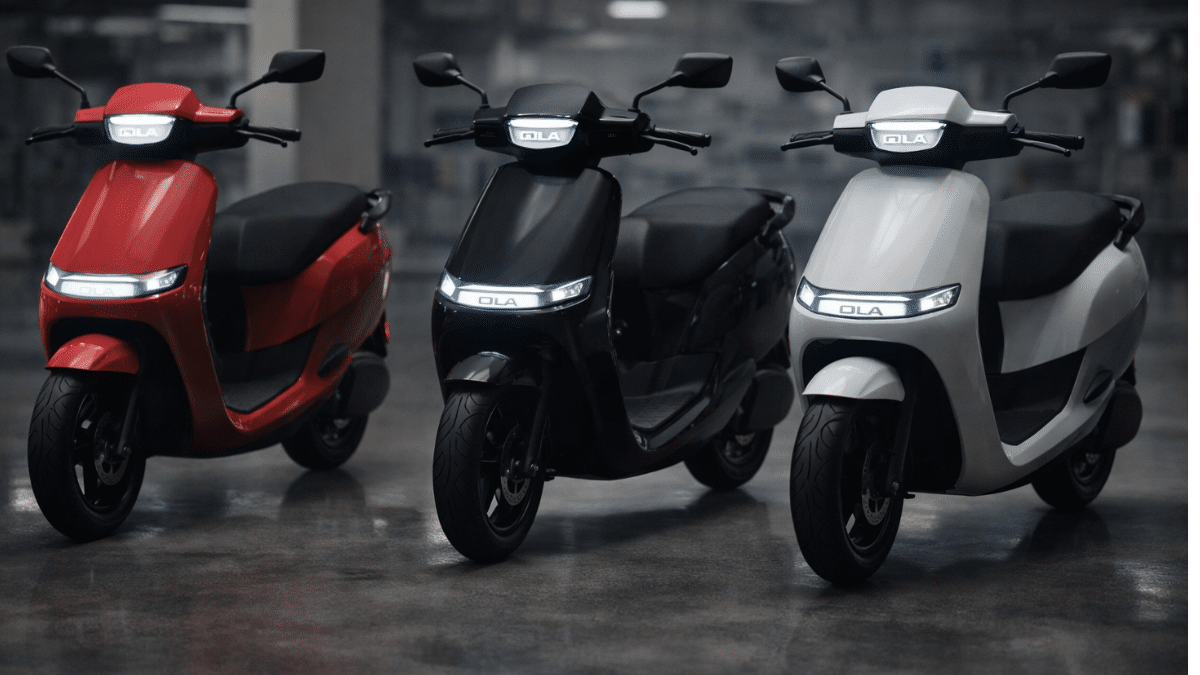

Ola Electric recorded a sharp drop in sales in February 2026, with retail registrations falling to 3,968 units. The figure represents the company’s lowest monthly sales in more than four years and highlights a significant slowdown for the electric scooter manufacturer. The decline comes at a time when competition in India’s electric two-wheeler market is increasing rapidly as traditional manufacturers strengthen their presence in the segment.
The sales drop is particularly notable because Ola Electric had previously been one of the fastest-growing EV brands in India. The company once dominated the electric scooter market with strong monthly volumes and high market share. However, the latest figures indicate a major shift in the competitive landscape of the EV two-wheeler industry.
Sales Decline Continues in Early 2026
February’s retail registrations of 3,968 units represent a steep fall compared with the company’s earlier performance. The drop follows a similar slowdown in January 2026, when sales fell to around 7,500 units.
This trend marks a sharp contrast with the company’s peak performance in previous years. During 2024, Ola Electric recorded several months with sales exceeding 30,000 units and even crossed the 50,000-unit mark in one month. At that time, the company held a strong lead in India’s electric scooter segment.
🚀 Join Our Tech Community!
Get the latest news, updates, and tech trends delivered straight to your phone. Never miss an update!
The recent slowdown suggests that the company is currently facing a challenging phase as the market becomes more competitive and consumer choices expand.
Market Share Impact
The decline in sales volumes has also affected the company’s market share in the electric two-wheeler sector. With fewer registrations in February, Ola Electric’s share of the EV scooter market dropped significantly compared with previous years.
As volumes declined, the company slipped behind several competing brands that have been expanding their electric vehicle offerings. Established two-wheeler manufacturers and newer EV-focused companies have strengthened their positions by introducing new models and expanding their distribution networks.
The shift reflects how quickly the electric mobility market in India is evolving as more manufacturers enter the segment.
Rising Competition in Electric Two-Wheelers
The electric two-wheeler industry in India has become increasingly competitive over the past two years. Major two-wheeler manufacturers have launched electric scooters while expanding dealership networks and service infrastructure across the country.
Brands such as TVS Motor Company, Bajaj Auto and Hero MotoCorp have introduced electric products that benefit from their extensive service networks and brand recognition. At the same time, EV-focused companies like Ather Energy have continued to expand their presence with premium electric scooters.
The growing number of options available to consumers has intensified competition and reduced the dominance previously held by early EV market leaders.
Changes in Retail Strategy
Ola Electric has also been making adjustments to its retail strategy. The company had previously expanded its physical store network rapidly across India as part of its growth strategy.
At one stage, the brand operated thousands of offline outlets. However, the network has since been reduced significantly as the company works to streamline operations and improve efficiency. The retail network is expected to continue evolving as the company adapts to changing market conditions.
Despite the slowdown experienced by Ola Electric, India’s electric two-wheeler sector continues to grow overall. Consumer interest in electric mobility remains strong as charging infrastructure improves and battery technology advances.
For Ola Electric, the coming months will be important as the company focuses on stabilising sales, strengthening its product lineup and competing in a rapidly evolving EV scooter market.
The February 2026 sales figures highlight how competitive the Indian electric mobility sector has become, with multiple manufacturers now competing for leadership in one of the world’s fastest-growing EV markets.