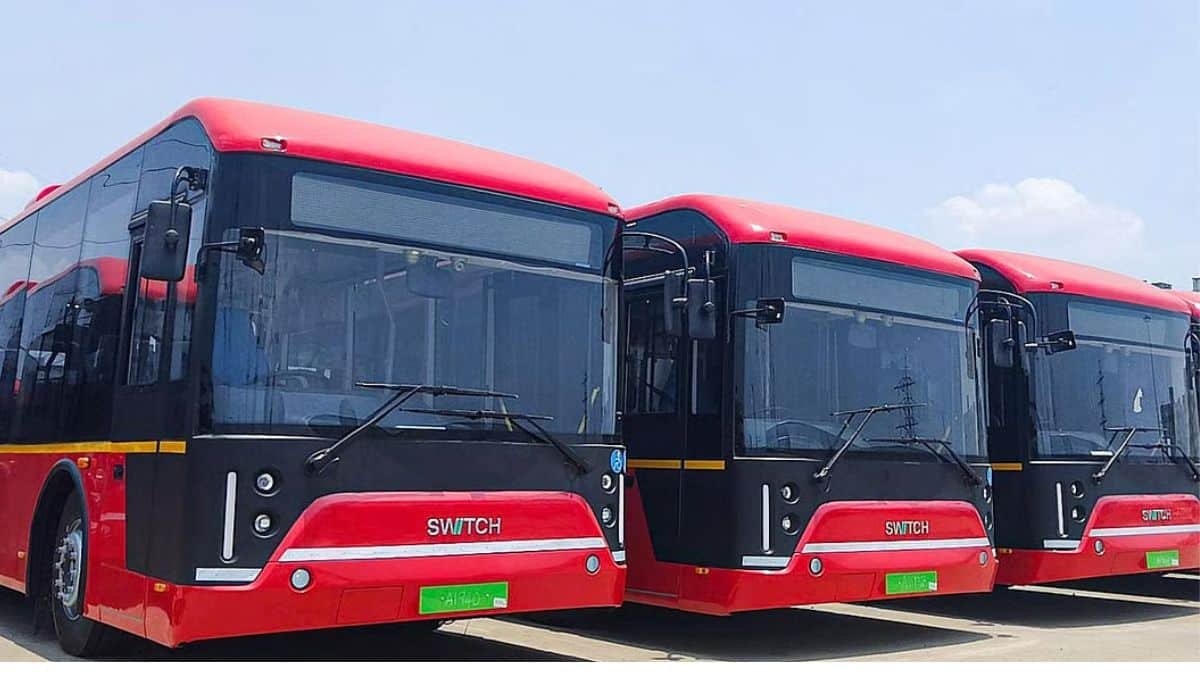

The Metropolitan Transport Corporation (MTC) has invited tenders for the procurement and operation of 220 electric low-floor air-conditioned buses to improve first- and last-mile connectivity to metro stations in Chennai. The move matters now as cities across India accelerate the shift toward electric public transport while strengthening integration between bus and metro networks.
According to the official tender details, the proposed fleet will include 150 buses measuring approximately 5 metres in length and 70 buses measuring around 7 metres. These smaller-format electric buses are designed to operate efficiently on narrow and congested urban roads, making them suitable for feeder routes that connect residential neighbourhoods and commercial hubs to metro corridors.
The primary objective of the procurement is to enhance connectivity to stations operated by Chennai Metro Rail Limited (CMRL). By improving access to metro stations, the initiative aims to encourage greater use of public transport and reduce dependence on private vehicles for short-distance travel within the city.
The low-floor configuration is a key feature of the tender. Such designs improve accessibility for senior citizens, persons with disabilities and passengers with limited mobility. Air-conditioning has also been specified, indicating a focus on passenger comfort as public transport authorities compete with private mobility options.
🚀 Join Our Tech Community!
Get the latest news, updates, and tech trends delivered straight to your phone. Never miss an update!
The tender includes not just procurement but also operation of the buses, suggesting a structured deployment model under defined service conditions. While detailed timelines and route allocations will depend on the final award and implementation plan, the intent is to strengthen feeder services that bridge the gap between metro stations and surrounding localities.
For Chennai, this development represents a continued push toward cleaner mobility solutions. Electric buses produce zero tailpipe emissions, helping reduce urban air pollution and noise levels. Their deployment on shorter, high-frequency feeder routes is also operationally practical, given predictable daily running patterns and centralized charging possibilities.
The initiative aligns with broader national and state-level efforts to electrify public transport fleets. Several Indian cities have already adopted electric buses for intra-city operations, particularly for high-density corridors and last-mile services. Chennai’s decision to expand its electric fleet in the feeder segment reflects a strategy focused on integration rather than isolated fleet replacement.
Improved feeder connectivity can have a measurable impact on metro ridership. When last-mile connectivity is reliable and frequent, commuters are more likely to shift from personal vehicles to a combined metro-bus journey. This not only improves utilization of metro infrastructure but also helps manage traffic congestion on city roads.
The tender process will now move through evaluation and award stages before deployment begins. Once operational, the 220 electric buses are expected to form a dedicated support network for metro commuters, strengthening multimodal transport in Chennai.
With this step, MTC signals its commitment to expanding electric mobility within the city’s public transport ecosystem while focusing on accessibility, sustainability and integrated urban mobility planning.