
Sundar Ganpathi, Vice President of Automotive and Transportation at Tata Elxsi, has stated that connected vehicle technologies and advanced driver-assistance systems (ADAS) will be the next major disruptors in the automotive industry. His comments underline how software and connectivity are reshaping vehicle development and consumer expectations.
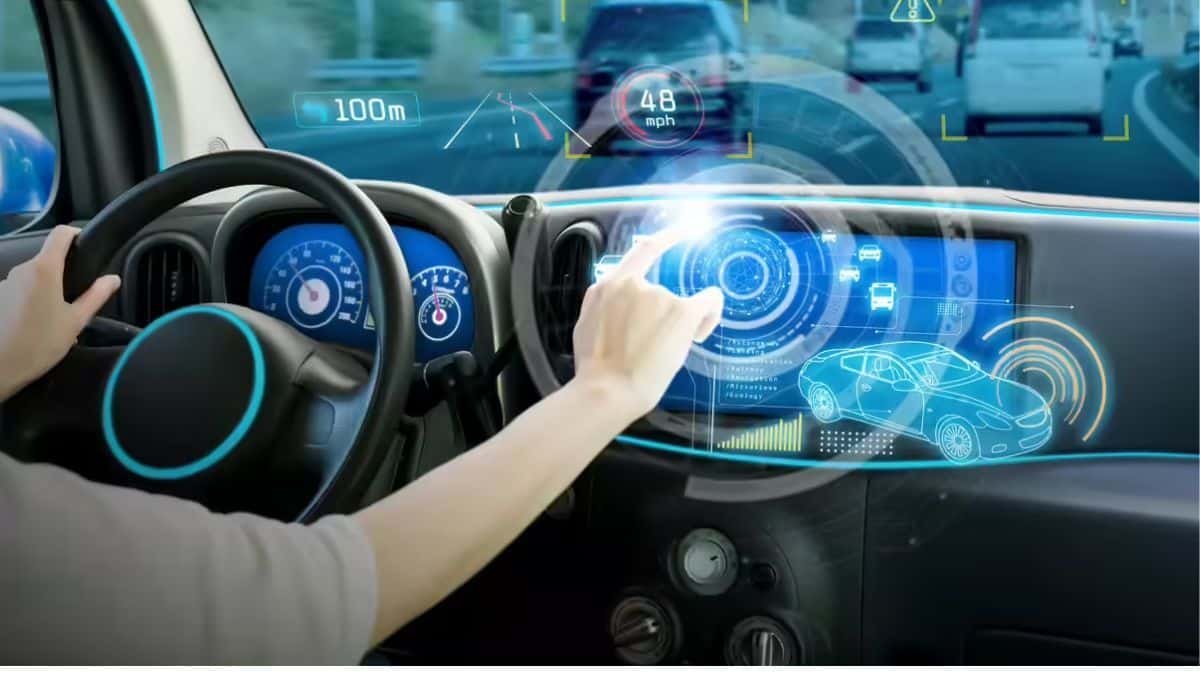
Ganpathi explained that connectivity is becoming fundamental to modern vehicles, enabling features such as remote diagnostics, over-the-air (OTA) software updates, telematics and digital services that enhance safety and convenience. He emphasised that such systems are no longer luxury add-ons but core parts of vehicle architecture, influencing design and differentiation strategies across price segments.
According to Ganpathi, the rise of software-defined vehicles will enable automakers to deliver ongoing improvements via updates long after the point of sale. This shift parallels trends seen in other technology sectors, where products evolve continuously through connected ecosystems rather than remain static at launch. The ability to refine performance, add new capabilities and fix issues remotely will reduce dependency on physical service visits and improve long-term ownership experience.
Advanced driver-assistance systems are also a key part of this disruption. While high-end ADAS suites with radar and lidar remain more prevalent in premium models today, Ganpathi suggests that basic safety aids — such as automatic emergency braking, lane-keep assist and adaptive cruise control — are becoming more accessible. Component costs are falling and regulatory focus on vehicle safety is rising, which he believes will accelerate ADAS adoption in mid-market vehicles over the coming years.
🚀 Join Our Tech Community!
Get the latest news, updates, and tech trends delivered straight to your phone. Never miss an update!
On connectivity, Ganpathi noted that improving network coverage and mobile data speeds in India are enabling more sophisticated telematics and connected services. These include real-time navigation updates, remote vehicle management via smartphones, digital key functionalities and data-driven insights that benefit both consumers and fleet operators. He anticipates that as 5G networks mature, connected car capabilities will expand further.
The combination of connectivity and ADAS, Ganpathi argues, will transform how vehicles are perceived and used. The shift toward digital services will create recurring revenue opportunities for manufacturers through subscription models and feature unlocks. It also requires robust backend infrastructure, cybersecurity frameworks and data privacy safeguards to ensure consumer trust and system reliability.
Ganpathi’s comments reflect a broader industry movement toward software-centric mobility. Traditional automotive development, which focused primarily on mechanical performance and design, is now integrating software and digital systems as equal pillars of innovation. This transition is redefining competition, with technology partners and tier-1 suppliers playing increasingly strategic roles alongside OEMs.
For Indian consumers, the integration of connectivity and ADAS technologies promises enhanced safety, convenience and personalization in everyday driving. As these systems proliferate across price brackets, the automotive market is likely to see differentiated offerings based not just on hardware specifications but also on software capabilities and digital experience.
If Ganpathi’s outlook materialises, connected car ecosystems and ADAS will not just be supplementary features — they will be core drivers of the next wave of automotive disruption, influencing product strategy, consumer choice and competitive dynamics in India and beyond.