
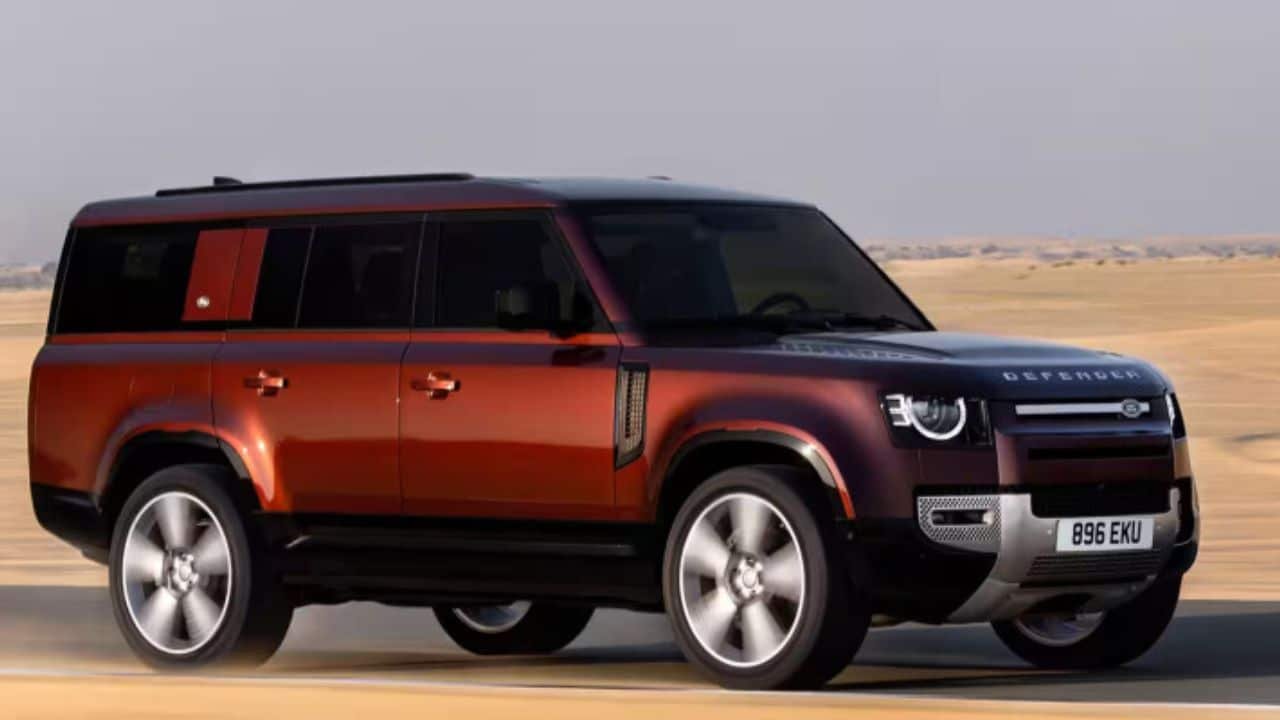

The modern Land Rover Defender is not just another luxury SUV competing for attention in a crowded premium segment. It is a vehicle built around a very specific philosophy one that prioritises capability, durability and versatility over outright plushness. Seen through this lens, the Defender makes a lot of sense for some buyers, while for others, it may feel like an expensive compromise.
Built for Real-World Adventure, Not Just Image
One of the Defender’s strongest arguments is that its off-road ability is genuine, not cosmetic. Unlike many luxury SUVs that rely on electronics to simulate toughness, the Defender is engineered from the ground up to handle extreme terrain. Advanced four-wheel-drive hardware, adjustable air suspension and multiple terrain modes allow it to perform confidently on rocks, sand, mud or broken mountain roads. Importantly, this capability does not come at the cost of road manners, as the Defender remains stable and comfortable on highways, making it a rare example of a true dual-purpose SUV.
A Line-up That Adapts to Different Lifestyles
Another way to understand the Defender is to view it as a modular product rather than a single fixed idea. With multiple body styles and seating layouts available, it can play very different roles depending on configuration. Shorter versions suit buyers who want a tough, personal adventure vehicle, while longer versions with three rows are aimed at families who travel often and need space without sacrificing all-terrain ability. A wide range of engines further reinforces this flexibility, allowing buyers to prioritise efficiency, performance or outright power.
Functional Design Over Traditional Luxury
Inside the cabin, the Defender makes a clear statement about what it values. The interior design focuses on robustness, practicality and ease of cleaning rather than soft, indulgent luxury. Materials feel solid and purposeful, controls are laid out for usability, and the overall atmosphere reflects the vehicle’s adventurous intent. While the Defender offers modern technology and safety features, it does not attempt to rival ultra-luxury SUVs in terms of plushness or visual opulence. For buyers who equate premium pricing with lavish interiors, this can feel underwhelming.
🚀 Join Our Tech Community!
Get the latest news, updates, and tech trends delivered straight to your phone. Never miss an update!
Everyday Usability Comes with Compromises
Living with the Defender daily requires some adjustment. Its height and upright proportions, which are major advantages off-road, can be mildly inconvenient in city environments. Entry and exit are not as effortless as in lower SUVs, and navigating tight parking spaces demands attention. Although features like suspension lowering modes help, the Defender never fully hides its size or rugged nature, especially in dense urban use.
Price That Reflects Capability More Than Comfort
The Defender’s pricing positions it firmly in the premium SUV space, but its value proposition is unconventional. Buyers are paying for engineering depth, off-road credibility and brand heritage rather than pure luxury or status. Optional extras can quickly push the cost higher, which may raise questions for those comparing it with more comfort-oriented rivals. The Defender makes sense financially only if its strengths align with how it will actually be used.
Who the Defender Really Makes Sense For
Ultimately, the Land Rover Defender is best understood as a specialised luxury SUV rather than a universal one. It is ideal for buyers who want authentic capability, long-distance comfort and the freedom to leave paved roads behind without hesitation. However, for those whose priorities revolve around city driving, rear-seat luxury or maximum interior plushness, there are alternatives that may feel more rewarding. The Defender is not trying to please everyone and that clarity is both its greatest strength and its biggest limitation.