
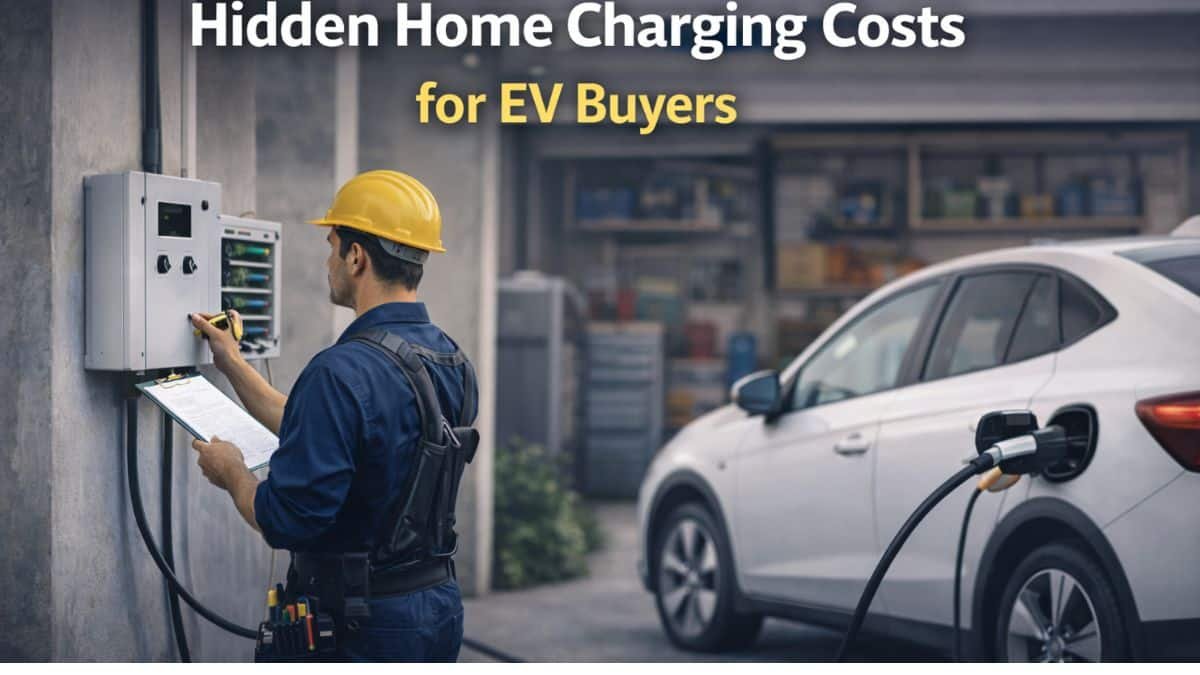

Electric vehicles are often sold as low-running-cost alternatives to petrol and diesel cars. While that’s largely true, many first-time EV buyers in India are surprised by the expenses that show up after the car is delivered—especially when setting up home charging.
Home charging is convenient and essential for daily EV use, but it isn’t always as simple or as cheap as buyers expect. Several one-time and recurring costs are frequently overlooked at the purchase stage.
Here’s what new EV buyers should realistically factor in.
Why Home Charging Isn’t Always Plug-and-Play
Most EV marketing focuses on charging time and range, not on what it takes to actually install a charger at home.
🚀 Join Our Tech Community!
Get the latest news, updates, and tech trends delivered straight to your phone. Never miss an update!
In reality, home charging depends on:
- Electrical capacity
- Building rules
- Parking layout
- Local utility policies
These factors can introduce costs that vary widely between independent houses and apartment complexes.
Charger Installation Costs Beyond the Car Price
Many EVs include a basic charger, but installation is rarely free.
Buyers may need to pay for:
- Professional installation
- Additional wiring
- Wall mounting or protective enclosures
If the parking spot is far from the power source, wiring costs can rise quickly. In apartment buildings, routing cables safely often adds both material and labour expenses.
Electrical Load Upgrade Expenses
One of the most common hidden costs is upgrading the electricity connection.
Standard household connections may not support regular EV charging without upgrades. Buyers often need:
- Higher sanctioned load
- Meter upgrades
- Utility approval fees
These upgrades are one-time but can add a noticeable amount to the overall EV setup cost.
Society and Apartment-Related Charges
Apartment living introduces another layer of expense.
Some housing societies require:
- Permission fees
- Common-area wiring contributions
- Safety compliance upgrades
In certain cases, buyers may need to install separate meters or monitoring systems, increasing upfront costs. Delays due to approvals can also affect charging convenience early in ownership.
Energy Tariff Differences and Billing Reality
Charging an EV increases household electricity consumption.
Many buyers underestimate:
- Higher electricity slabs
- Time-of-use tariffs
- Impact on monthly bills
While per-kilometre costs remain low compared to fuel, the monthly electricity bill increase can feel significant, especially during summer months when home power usage is already high.
Maintenance and Replacement Costs Over Time
Home chargers are generally reliable, but they are not maintenance-free.
Potential costs include:
- Cable wear and tear
- Socket replacement
- Protection device servicing
Over several years, small maintenance expenses add up and should be part of long-term ownership planning.
Backup Power and Charging Interruptions
Power cuts remain a reality in many Indian cities.
Some EV owners invest in:
- Inverter upgrades
- Battery backup solutions
- Alternative charging arrangements
While optional, these solutions add to the real cost of home charging, particularly for buyers who rely exclusively on overnight charging.
Independent Houses vs Apartments: Cost Difference
Charging setup is usually simpler in independent houses:
- Easier wiring access
- Fewer permissions
- Lower installation complexity
Apartment owners often face:
- Shared infrastructure limitations
- Approval delays
- Higher installation costs
This difference can influence both upfront spending and long-term convenience.
What Buyers Should Budget Realistically
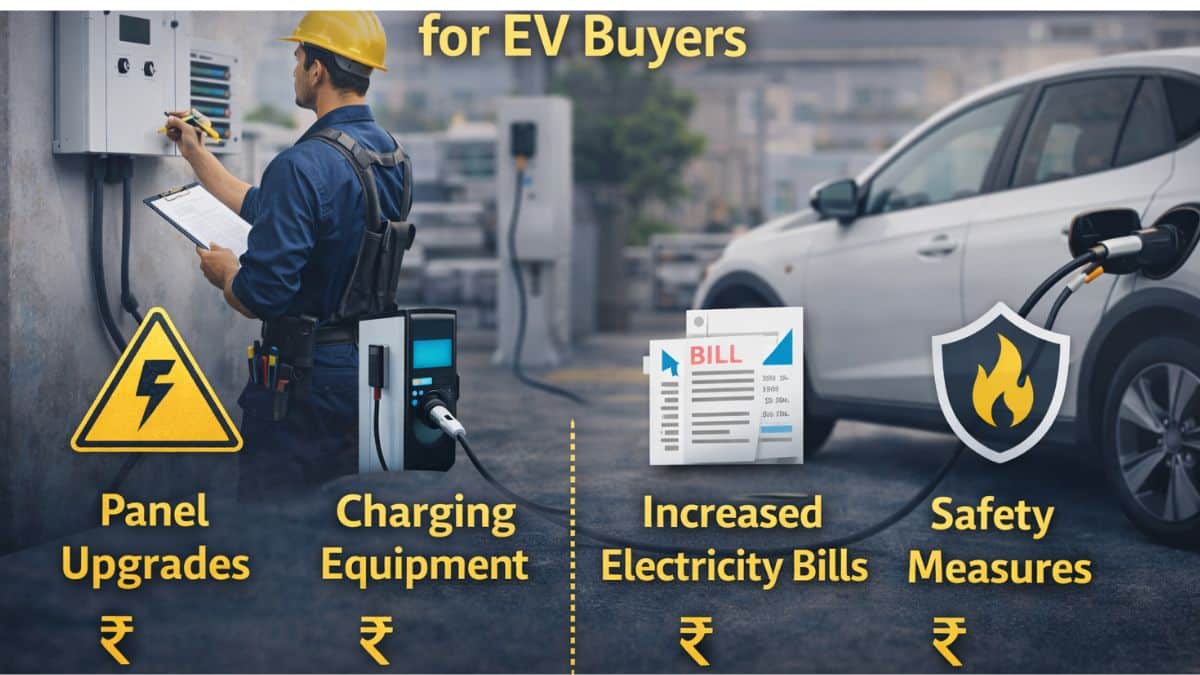
New EV buyers should look beyond the showroom price and budget for:
- Charger installation
- Electrical upgrades
- Society-related expenses
- Increased electricity bills
Factoring these costs early prevents unpleasant surprises and leads to a more confident EV ownership experience.
The Bigger Picture of EV Ownership
Despite these hidden costs, home charging remains far cheaper than fuel over time. The key is awareness.
EV ownership works best when buyers understand the full picture—not just the savings, but also the setup effort required to unlock those savings.