
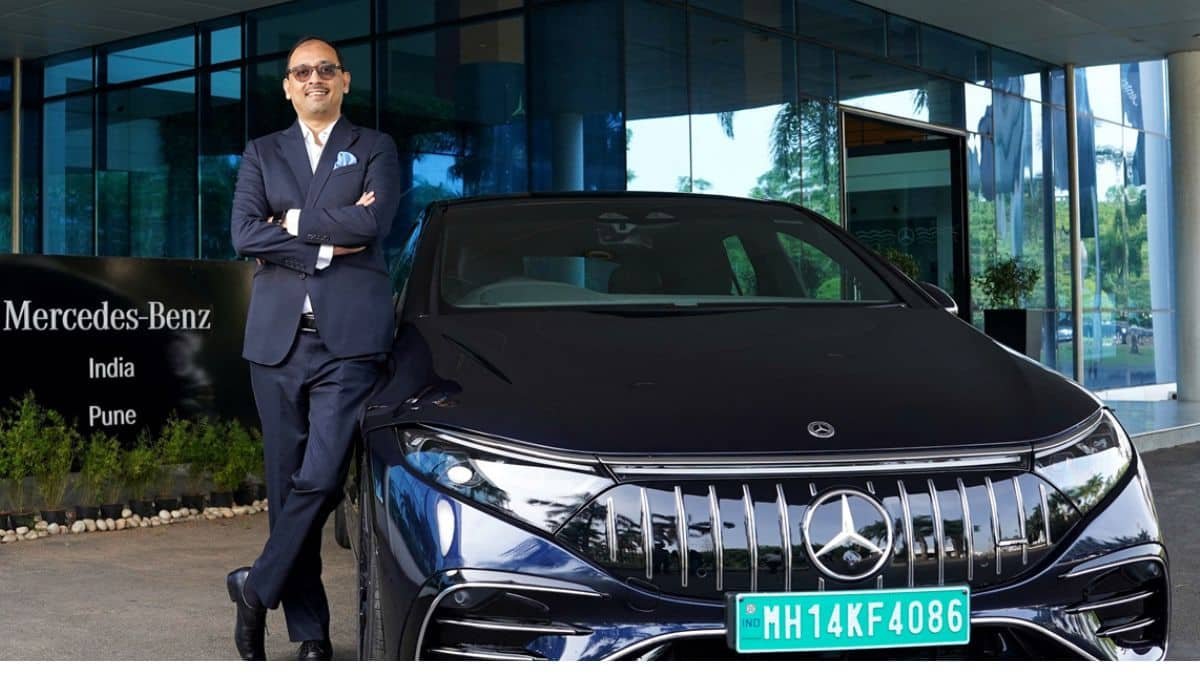

Luxury car prices in India are expected to continue rising despite the India–European Union Free Trade Agreement, according to Mercedes-Benz India. The company has indicated that while the trade pact could help soften cost pressures over time, it is unlikely to deliver immediate price relief for buyers in the luxury segment. This matters for India as expectations around tariff reductions have raised hopes of lower prices for imported premium vehicles.
Mercedes-Benz India has clarified that the benefits of the trade agreement will be gradual and indirect rather than immediate. The company expects the agreement to act as a cost buffer in the long term, helping manage input costs and supply chain pressures, but not enough to offset near-term price increases driven by other factors.
A key reason is the brand’s existing localisation strategy. The majority of Mercedes-Benz cars sold in India are assembled locally using imported kits. These models already attract significantly lower duties than fully imported vehicles. As a result, reductions in import tariffs under the trade pact are not expected to materially impact pricing for most of the brand’s current lineup.
Currency movement has also been highlighted as a major cost driver. A weaker rupee against major global currencies increases the cost of imported components and parts, which in turn places upward pressure on vehicle prices. According to the company, such currency-related costs can easily outweigh the potential savings from phased tariff reductions.
🚀 Join Our Tech Community!
Get the latest news, updates, and tech trends delivered straight to your phone. Never miss an update!
The India–EU trade agreement includes a roadmap for lowering duties over time, rather than offering immediate cuts. This phased approach means any pricing benefits for consumers would emerge slowly and are more likely to affect niche or ultra-luxury models that are imported as completely built units. Even in such cases, the impact would depend on how quickly duty reductions are implemented and how other costs evolve.
Mercedes-Benz India has also pointed out that the luxury car market operates on different economics compared to mass-market segments. Factors such as technology upgrades, safety requirements, electrification investments, and compliance costs continue to add pressure on pricing. These elements play a larger role in determining retail prices than import duties alone.
For buyers, this means expectations of near-term price cuts following the trade agreement may not align with market realities. Luxury car prices are influenced by a combination of localisation levels, currency trends, and ongoing investment requirements, making them less sensitive to trade policy changes in the short run.
The company’s broader strategy remains focused on expanding local assembly and offering a wide range of models produced in India. This approach allows better control over costs and supply while reducing exposure to import-related volatility. It also aligns with the government’s emphasis on local manufacturing and value addition.
From an industry perspective, the comments highlight the complexity of pricing in the luxury segment. While trade agreements can improve the overall business environment, their direct impact on showroom prices is often limited, especially for brands that are already heavily localised.
In the near term, luxury car buyers in India should expect prices to remain firm, with any cost advantages from the India–EU trade agreement likely to be absorbed as buffers against rising input and operational costs rather than passed on immediately as price reductions.