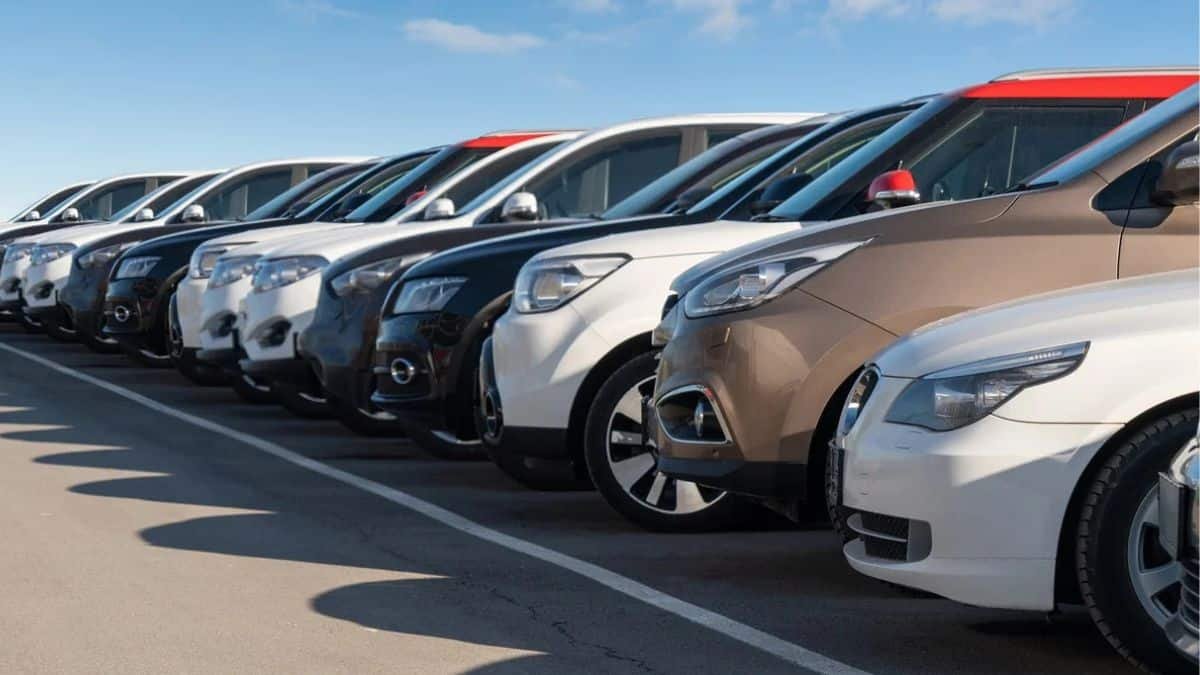

India and the European Union concluded Free Trade Agreement talks on Tuesday, marking the largest trade deal signed by either side. The agreement will gradually reduce import duty on European motor vehicles entering India from the current peak of 110 percent to 10 percent, subject to an annual quota of 250,000 vehicles, significantly reshaping the country’s automobile import framework.
Under the agreement, import duties on automotive components will be phased out over a period of five to ten years, aiming to strengthen manufacturing competitiveness and encourage deeper industrial collaboration. Currently, India imposes a 70 percent import duty on cars priced below $40,000 and 110 percent on vehicles priced above that threshold. The Ministry of Commerce and Industry stated that the quota-based auto liberalisation package would allow European automakers to introduce models in higher price segments while opening new opportunities for domestic manufacturing under the Make in India initiative and boosting export potential.
Trade data highlights the scale of the bilateral automotive relationship. In 2024, motor vehicle imports from the European Union into India were valued at €1.6 billion, while India’s auto component exports to the EU reached $5.77 billion. Import duties on components currently range between 7.5 percent and 15 percent, with the phased duty elimination expected to enhance cost efficiencies and improve supply chain integration.
Lower tariffs are expected to create fresh opportunities for European automakers such as Volkswagen, Mercedes-Benz and BMW to export completely built units from Europe. However, these manufacturers already assemble a large share of their India-bound vehicles locally through the completely knocked-down route, which attracts an import duty of around 16 percent. As a result, industry experts believe the immediate impact of the duty reduction will be more pronounced in niche and premium segments rather than in mass-market models.
🚀 Join Our Tech Community!
Get the latest news, updates, and tech trends delivered straight to your phone. Never miss an update!
Overall, the India-EU Free Trade Agreement is being viewed as a strategic step towards deeper trade integration, technology exchange, and long-term investment in India’s automotive manufacturing ecosystem, while maintaining a balance between market access and domestic industry growth.