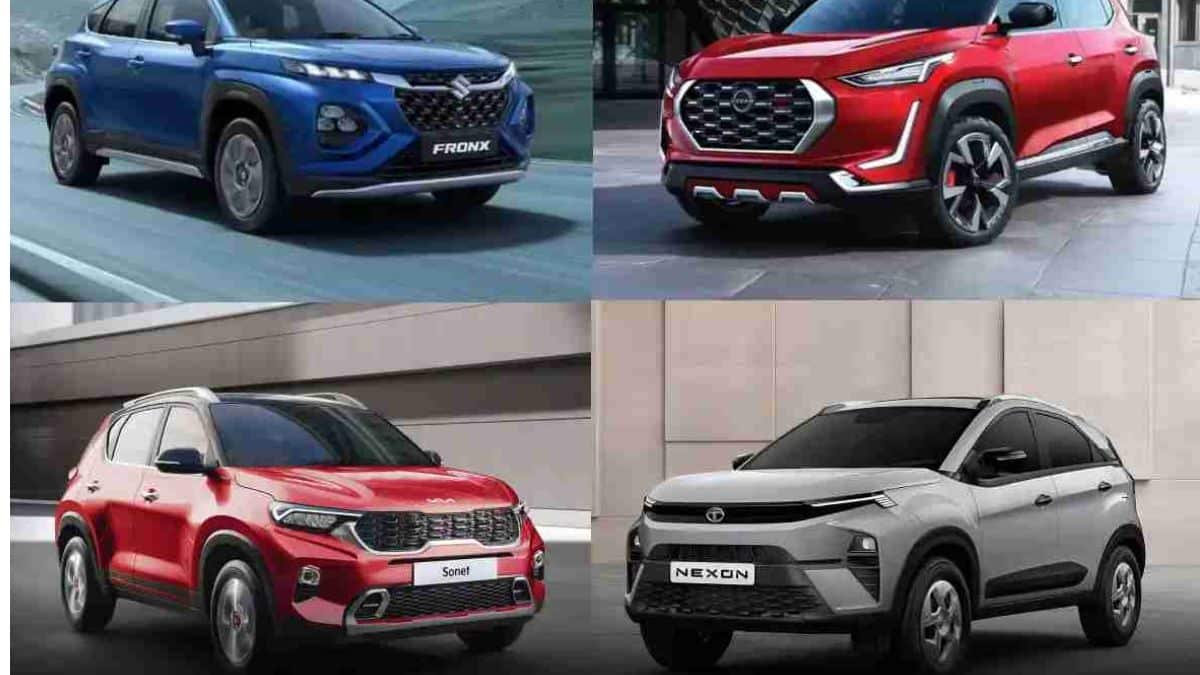


India’s passenger vehicle market continues to be driven by strong demand for SUVs, even after recent GST changes aimed at making small cars more affordable. According to comments made by the Managing Director of CEAT, consumer preference has not shifted materially in favour of entry-level cars despite the tax relief. The statement was made during an industry interaction in January 2026 and highlights the resilience of the SUV segment.
The revised GST structure, often referred to as GST 2.0, reduced the tax burden on small cars, lowering their on-road prices. However, the expected sharp revival in small car demand has not yet played out at scale. SUVs continue to account for the largest share of passenger vehicle sales in India, reinforcing a trend that has been building steadily over the past few years.
From an industry perspective, this trend is significant because it directly impacts product planning, tyre demand, and manufacturing focus. For tyre makers and auto OEMs alike, SUVs offer higher margins and consistent volumes, making them central to long-term growth strategies.
Why GST Changes Have Not Shifted Buyer Preference
- SUV ownership perceived as better value
- Rising aspirations across urban and semi-urban markets
- Price gap between small cars and compact SUVs narrowing
While GST relief has reduced acquisition costs for small cars, buyer behaviour appears to be driven by more than just pricing. SUVs offer higher seating positions, better road presence, and greater versatility, which continue to appeal to Indian buyers across income segments.
🚀 Join Our Tech Community!
Get the latest news, updates, and tech trends delivered straight to your phone. Never miss an update!
Additionally, the price difference between premium hatchbacks and entry-level SUVs has narrowed considerably. Many buyers are choosing to stretch their budgets slightly to move into compact SUVs, especially when financing options make the monthly outgo manageable.
Fuel efficiency and maintenance costs, traditionally strong points for small cars, are no longer enough on their own to influence buying decisions. Buyers increasingly prioritise perceived safety, space, and long-term value, areas where SUVs are seen to perform better.
Impact on Tyre Industry and Market Outlook
- SUVs require higher-value tyres
- Replacement demand remains strong
- Rural and semi-urban markets gaining importance
For tyre manufacturers like CEAT, sustained SUV demand is positive because SUVs typically use larger and higher-margin tyres. This supports revenue growth even if overall passenger vehicle volumes grow at a moderate pace.
The company also expects the replacement tyre market to remain a key growth driver, supported by rising vehicle parc and improving road connectivity. Rural and semi-urban markets are playing a growing role, with SUVs increasingly being adopted beyond major metros.
While small cars may see incremental improvement in demand following GST changes, industry leaders believe it is too early to call this a structural turnaround. SUVs are expected to remain the dominant force in India’s passenger vehicle market through 2026.