
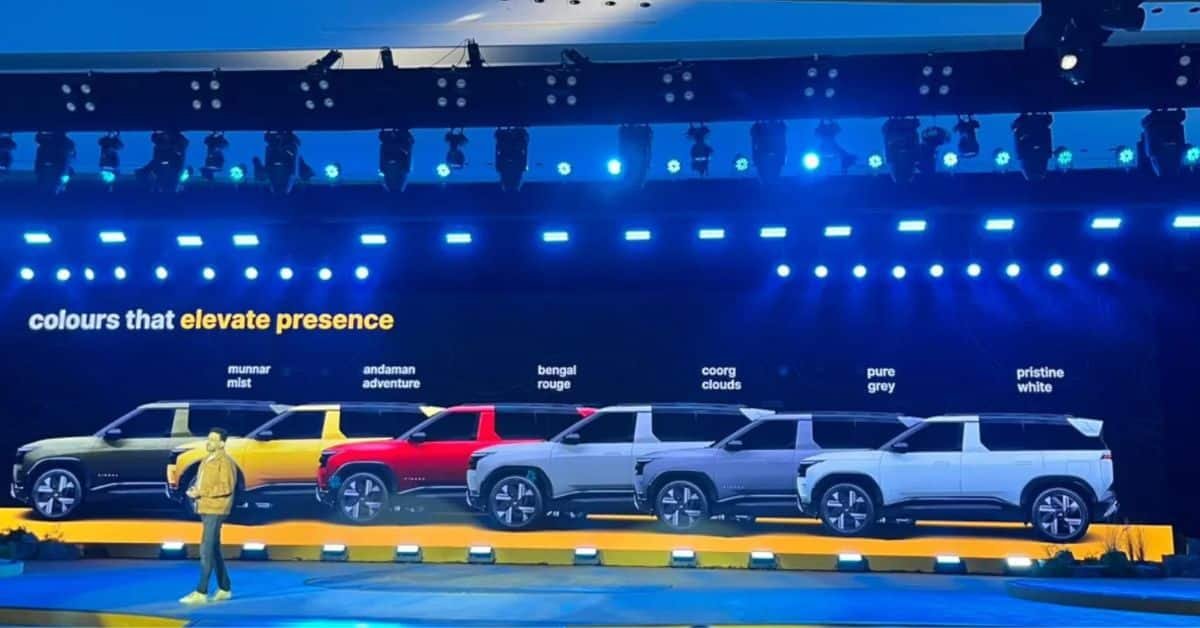

13 January 2026: Tata Motors has confirmed plans to ramp up production capacity for its recently launched Sierra SUV over the next six months, responding to demand that has exceeded initial expectations. The update was shared by managing director and CEO Shailesh Chandra, who said the company will follow a phased and controlled expansion strategy to match market requirements.
Strong market response to Sierra launch
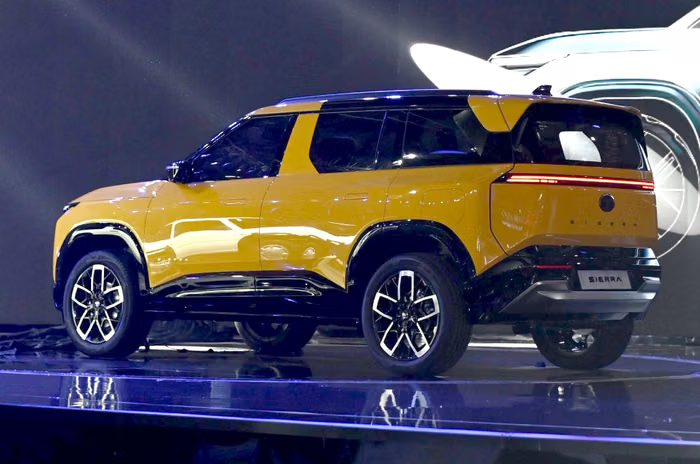
Since deliveries began, the Sierra has received a steady and sustained response from customers. Tata Motors noted that showroom enquiries and booking momentum indicated demand levels higher than originally anticipated.
Key indicators observed by the company include:
- Consistent retail traction across regions
- Sustained customer enquiries beyond the initial launch phase
Decision to increase capacity in phases
Instead of an immediate production jump, Tata Motors has opted for a gradual ramp-up. This approach is aimed at aligning production closely with demand while maintaining operational stability.
🚀 Join Our Tech Community!
Get the latest news, updates, and tech trends delivered straight to your phone. Never miss an update!
The phased strategy focuses on:
- Step-by-step volume increases
- Stabilisation at each production level before further scaling
Manufacturing readiness and plant planning
The company has reviewed manufacturing preparedness across its plants to support higher output. Internal planning has been aligned to ensure assembly lines can scale without affecting quality benchmarks.
Key areas under focus include:
- Workforce readiness and shift planning
- Tooling and line efficiency improvements
Supply chain and vendor coordination
Tata Motors highlighted that supplier readiness is central to the Sierra ramp-up plan. Coordination with vendors is being strengthened to ensure component availability rises in sync with vehicle production.
This includes attention on:
- Critical component availability
- Logistics flow and inventory planning
Variant-wise and powertrain demand trends
Demand for the Sierra has been balanced across variants. Tata Motors reported healthy interest in both petrol and diesel powertrains, reducing the risk of uneven inventory build-up.
The company observed:
- No excessive skew toward a single powertrain
- Steady demand across multiple trims
Impact on waiting periods and deliveries
With production capacity increasing gradually, Tata Motors expects waiting periods to ease over time. The company aims to improve delivery timelines as output stabilises at higher volumes.
Primary objectives include:
- Reducing customer waiting periods
- Improving delivery predictability
Strategic importance of Sierra in SUV portfolio
The Sierra holds a key position in Tata Motors’ SUV lineup, strengthening its presence in the competitive mid-size SUV segment. Consistent availability is viewed as critical to sustaining momentum in this category.
The model supports:
- Portfolio depth in the SUV segment
- Wider customer reach across price bands
Focus on execution discipline over volume targets
Shailesh Chandra reiterated that Tata Motors’ priority remains execution quality rather than aggressive volume targets. The company aims to ensure that production growth does not compromise product quality or customer experience.
The approach is centred on:
- Controlled and sustainable scaling
- Long-term brand and ownership experience