
When most people think about buying an electric car, the first questions are about range, charging, and price. But for many Indian buyers, the real decision hinges on something deeper: how an EV holds up over 5–10 years of ownership. This is especially important if you plan to keep the car long-term rather than upgrade every few years.
Electric vehicles are still relatively new in India, but enough real-world data and ownership patterns now exist to evaluate their long-term suitability. This guide looks at durability, battery ageing, running stability, resale prospects, and how future changes may affect owners who keep their EVs for a long time.
Battery Life Over 5–10 Years
The battery is the most expensive and most discussed part of an electric car. Naturally, buyers worry about how it behaves over time.
In practical Indian usage conditions, modern EV batteries are designed to last 8–10 years or more with gradual capacity loss rather than sudden failure. Most owners experience a slow reduction in usable range, typically noticeable only after several years.
🚀 Join Our Tech Community!
Get the latest news, updates, and tech trends delivered straight to your phone. Never miss an update!
What matters more than age is usage pattern:
- Frequent fast charging can accelerate degradation
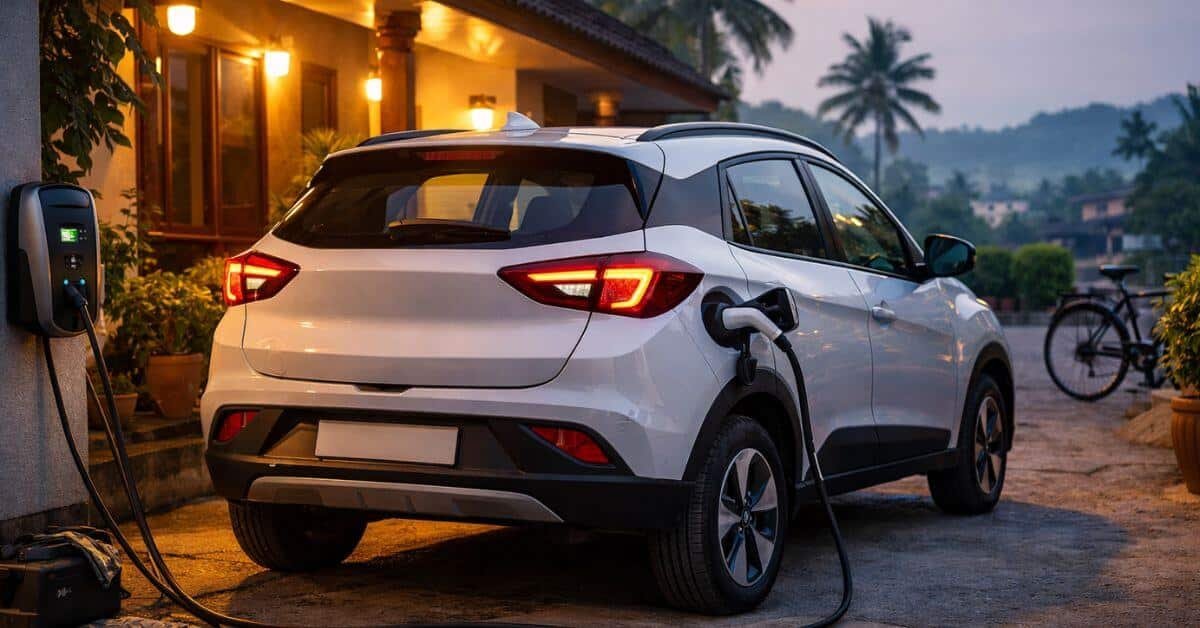
- Regular home charging at moderate speeds is gentler
- Extreme heat exposure without proper thermal management can affect long-term health
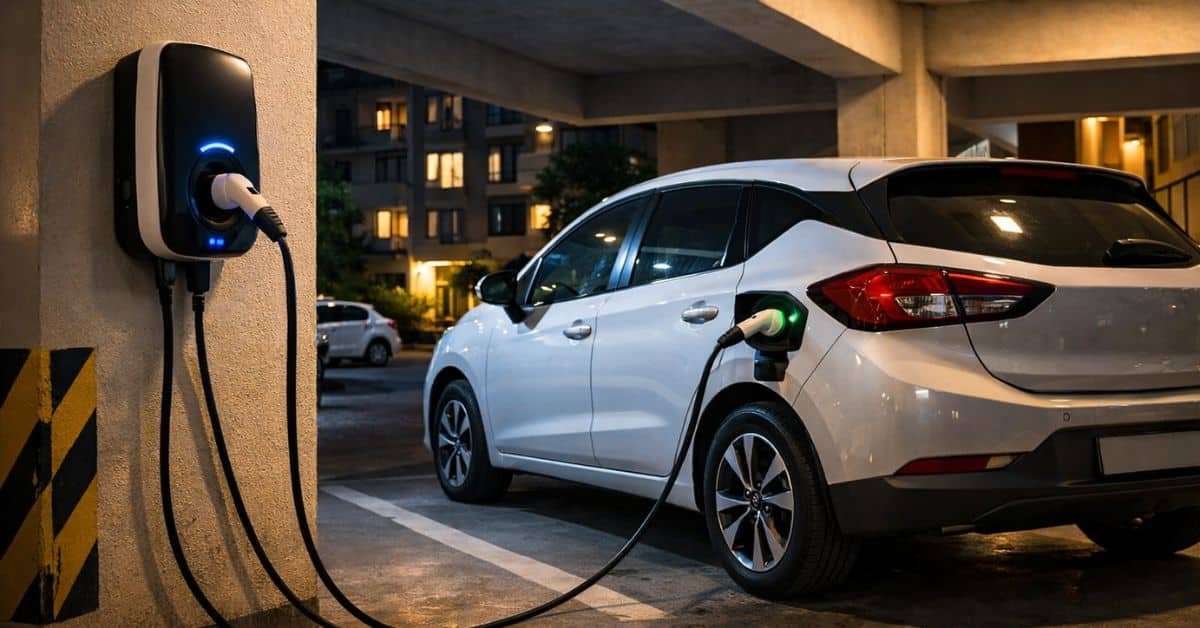
For daily urban use and mixed highway driving, battery ageing tends to remain manageable, meaning the car stays usable even after many years.
Real-World Range After Several Years
A common concern is whether an EV will still be practical once the battery ages.
After 5–7 years, owners may notice a reduction in range, but it rarely turns the car unusable. For example:
- A car that delivered 300 km when new may deliver around 240–260 km later
- City driving efficiency usually remains strong
- Daily commute needs are often still fully covered
For buyers with predictable driving patterns, long-term ownership does not automatically mean inconvenience.
Mechanical Simplicity and Durability
Electric cars have fewer moving parts than petrol or diesel vehicles. Over a long ownership cycle, this becomes a major advantage.
There is no engine oil, clutch, gearbox, or exhaust system to wear out. This reduces both mechanical failures and long-term maintenance stress.
Over 5–10 years, owners typically deal with:
- Suspension wear
- Brake components (often slower wear due to regenerative braking)
- Tyres and alignment
The core electric drivetrain tends to remain stable, especially in vehicles designed specifically for Indian road conditions.
Software and Electronics Over Time
Modern EVs rely heavily on software. This brings both benefits and concerns.
On the positive side:
- Software updates can improve efficiency and features
- Charging behaviour and battery management often improve with updates
On the downside:
- Older hardware may not support newer features
- Touchscreens and sensors may need attention after many years
However, most long-term ownership issues are manageable rather than critical, especially for owners who keep software updated and service the car regularly.
Long-Term Service and Maintenance Experience
One of the strongest arguments for long-term EV ownership is maintenance predictability.
Over a decade, owners generally spend significantly less on servicing compared to internal combustion cars. Routine service visits are fewer, simpler, and less intrusive.
Typical long-term maintenance includes:
- Coolant replacement for battery thermal systems
- Brake fluid checks
- Suspension and steering components
- Cabin filter and air-conditioning service
Unexpected repair costs tend to be lower because there are fewer complex mechanical systems.
Resale Value After 5–10 Years
Resale value is evolving rapidly in India’s EV market.
Earlier concerns about poor resale are slowly easing as:
- EV adoption increases
- Buyers become more comfortable with used EVs
- Battery health reports become standard
While resale values may still trail petrol cars in some segments, well-maintained EVs with documented battery health are finding buyers more easily than before.
Long-term owners who plan to sell after many years should expect:
- Better resale in urban markets
- Higher value if battery health is clearly demonstrated
- Faster acceptance as charging infrastructure improves
Impact of Future Technology Changes
Many buyers worry that rapid EV innovation will make today’s cars obsolete.
In reality, long-term ownership is less affected by new launches than expected. Core usability does not vanish just because newer models arrive.
What may change:
- Faster charging standards
- Longer-range models entering the market
- Improved driver-assistance features
What remains stable:
- Basic charging compatibility
- Daily usability
- Running cost advantage
For owners focused on transportation rather than constant upgrades, future advancements rarely invalidate existing EVs.
Ownership Peace of Mind Over Time
Long-term EV ownership often becomes easier with time rather than harder.
As owners grow familiar with charging routines and efficiency patterns, the car integrates smoothly into daily life. Many long-term users report reduced stress compared to fuel-based vehicles, especially due to predictable running costs and fewer workshop visits.
This consistency is one of the most underrated benefits of owning an EV for many years.
Who Should Consider Long-Term EV Ownership
An electric car makes sense for 5–10 years of ownership if:
- Your driving is mostly urban or predictable
- You have access to home or regular charging
- You value lower maintenance over frequent upgrades
- You plan to keep the car beyond warranty periods
It may be less ideal if:
- You rely heavily on long-distance driving in remote areas
- You expect constant feature upgrades
- Charging access remains uncertain in your location
Final Perspective
For Indian buyers with realistic expectations, an electric car can be a stable, durable, and cost-efficient long-term companion. Over 5–10 years, EV ownership tends to reward consistency, routine usage, and patience rather than constant comparison with newer models.
Instead of becoming obsolete, many EVs quietly settle into dependable daily roles, making long-term ownership a practical choice rather than a risky one.