
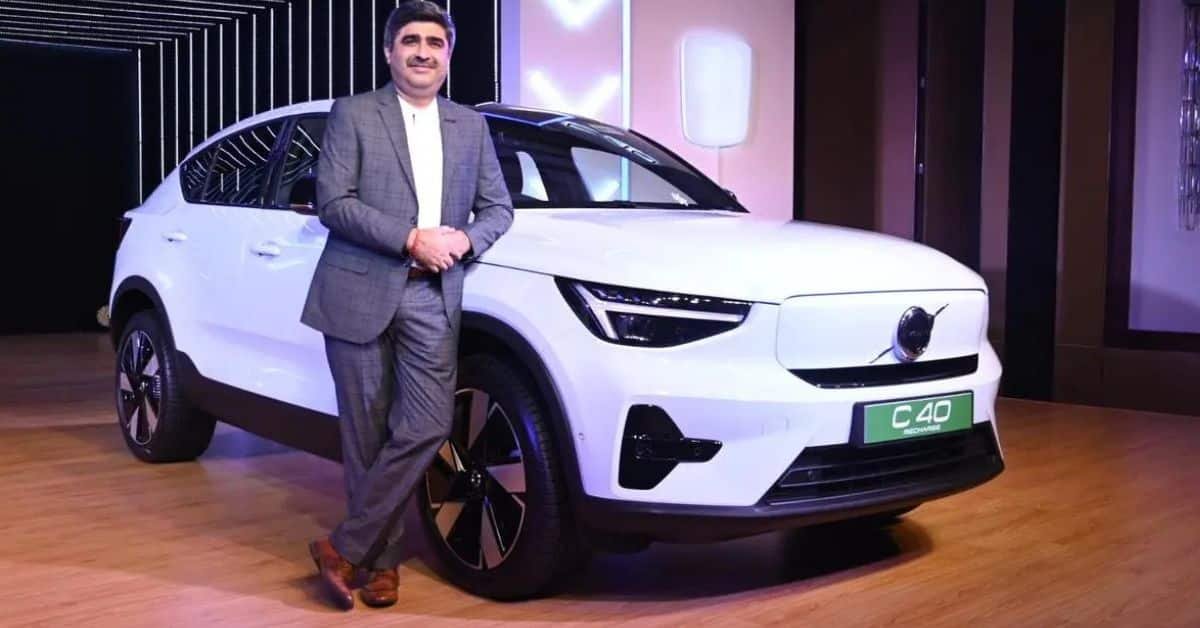

Volvo Car India has reaffirmed its long-term commitment to an all-electric future in India, even as recent changes under GST 2.0 have made mild-hybrid luxury SUVs more attractive for customers in the short term. The statement was made by the company’s Managing Director, Jyoti Malhotra, following the latest GST restructuring announced earlier this month.
The development highlights how taxation reforms are influencing buyer behaviour in the luxury car segment, while manufacturers continue to push ahead with electrification strategies.
Volvo Car India’s Electric Vehicle Commitment
Malhotra said Volvo’s strategic direction remains firmly aligned with its global goal of becoming a fully electric carmaker. India continues to be part of this roadmap, with electric vehicles steadily gaining acceptance among premium buyers.
According to the company, EVs now form a meaningful share of its overall sales in the country, indicating growing confidence among customers in electric mobility, especially in metro cities with improving charging infrastructure.
🚀 Join Our Tech Community!
Get the latest news, updates, and tech trends delivered straight to your phone. Never miss an update!
GST 2.0 Impact on Mild-Hybrid SUVs
The implementation of GST 2.0 has changed the cost structure for several vehicle categories. Under the revised framework, taxation has been rationalised, improving price clarity across segments and making mild-hybrid SUVs more compelling for buyers who are not yet ready to shift to fully electric vehicles.
This has helped sustain demand for luxury SUVs, particularly among customers seeking a balance between efficiency, performance, and familiarity with conventional powertrains.
Sales Momentum After Tax Reforms
Volvo’s mild-hybrid SUV range has seen renewed interest following the tax changes. The company said refreshed products and improved pricing transparency have contributed to better monthly sales momentum in recent months.
Malhotra noted that these gains are a result of both the GST restructuring and the brand’s focus on updating its existing portfolio to remain competitive in the premium segment.
EV Rollout Plans for 2026
Despite the current traction for mild-hybrids, Volvo does not view this as a shift away from electrification. The company plans to accelerate its electric vehicle rollout in India during 2026, in line with its global product cycle.
Future electric launches and gradual improvements in the charging ecosystem are expected to further strengthen EV adoption among luxury car buyers over the next year.
Pricing Outlook and Market Factors
Malhotra also pointed out that factors such as foreign exchange fluctuations and input costs continue to be monitored closely. These variables could influence pricing decisions during the year, depending on market conditions.
However, he stressed that Volvo’s core priorities in India remain unchanged, with a continued focus on safety, sustainability, and a clear transition toward electric mobility.