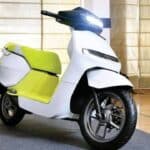
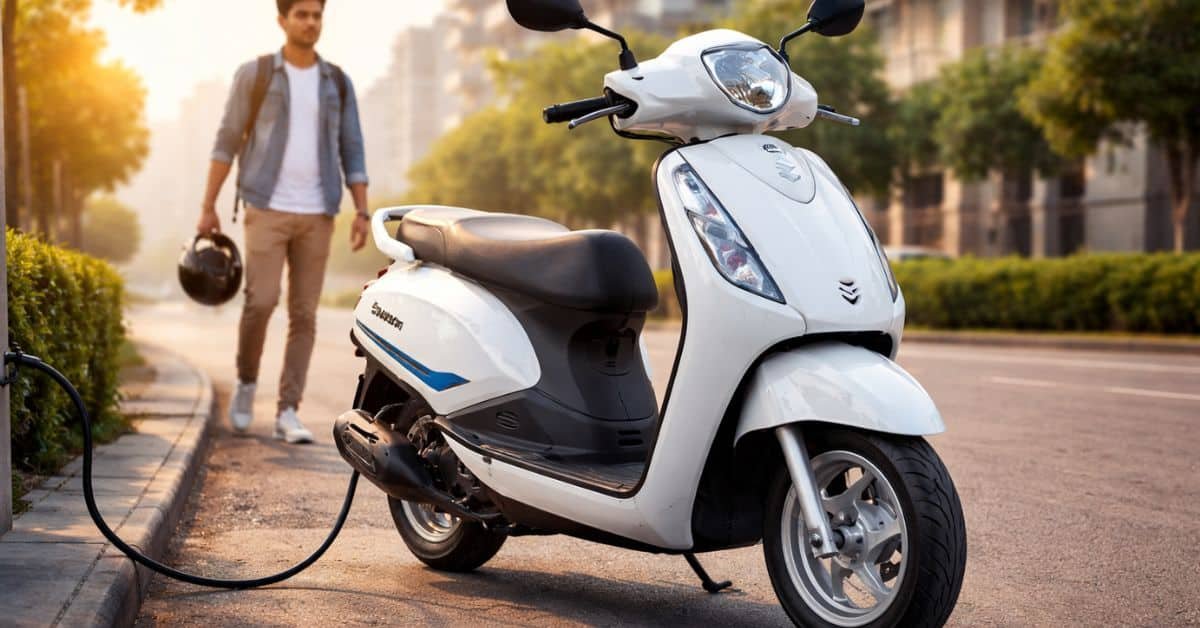

The Suzuki e-Access electric scooter is one of the early EV offerings in India positioned for city commuters. It aims to combine familiar scooter practicality with the lower running costs of electric power. For prospective buyers focused on ownership cost and savings, understanding how the e-Access performs in real life especially compared with petrol alternatives is essential before committing.
This guide breaks down the key ownership costs, daily usage economics, savings potential, incentives, and total cost of ownership you can expect with the Suzuki e-Access.
What Suzuki e-Access Is
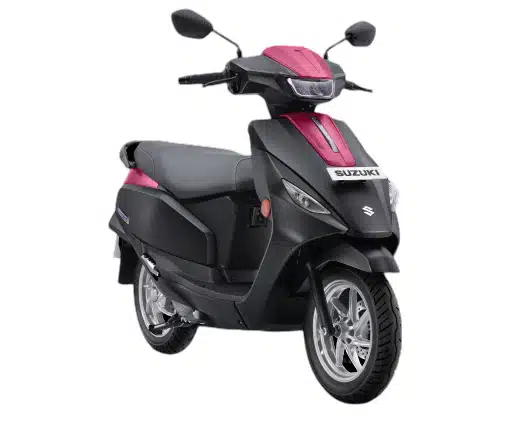
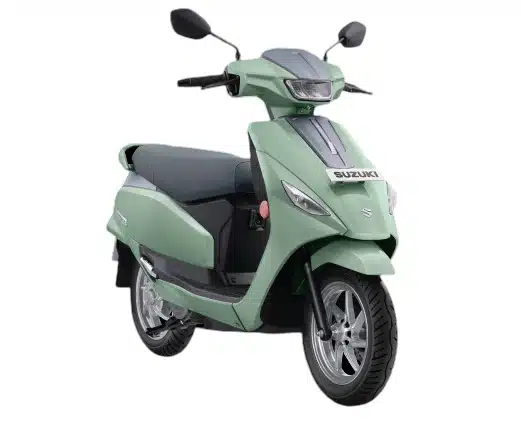
The Suzuki e-Access is a battery-electric scooter designed for urban riding. It targets riders who want an affordable, low-maintenance EV with familiar scooter ergonomics and features. It typically competes with other electric scooters like models from Hero Electric and Okinawa, and indirectly with entry-level petrol scooters in terms of purchase and running cost.
Electric Scooter Ownership Framework
Before diving into numbers, it helps to understand the major cost components for any two-wheeler:
🚀 Join Our Tech Community!
Get the latest news, updates, and tech trends delivered straight to your phone. Never miss an update!
- Purchase price
- Running costs (energy/fuel)
- Maintenance and service
- Battery care or replacement
- Resale value
- Government incentives
Evaluating these together gives a clearer picture of whether the e-Access is worth it for your situation.
Purchase Price and Upfront Cost
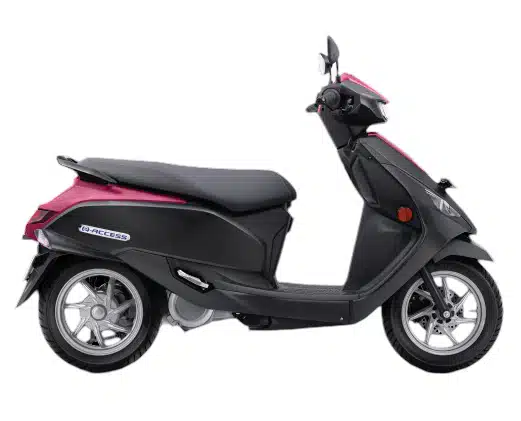
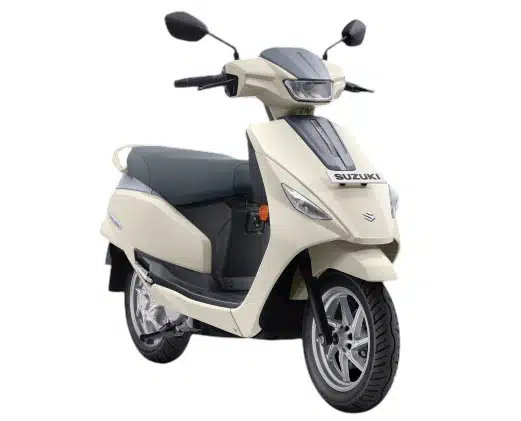
The Suzuki e-Access’s on-road price varies by city due to state EV policies, registration fees, and other local charges. In most urban centres, the on-road price ends up higher than the manufacturer’s base price because of insurance and registration.
Compared to petrol scooters, electric scooters—including the e-Access—often have a higher upfront price. Petrol scooters benefit from lower initial manufacturing cost and mass adoption. However, electric scooters may also qualify for incentives under state EV policies, which reduce the effective purchase cost.
If you live in a state with EV subsidies (for example, Delhi, Karnataka, or Maharashtra), the Suzuki e-Access could attract financial incentives that lower the upfront burden. Always check your specific state EV policy before purchase.
Suzuki e-Access cost and savings
One of the biggest economic advantages of electric scooters is the lower cost per kilometre of energy. Electricity in India typically costs less per unit than petrol when translated to energy consumption for comparable distance.
For a rough comparison:
- A petrol scooter might return 50–60 km/litre. With petrol prices often above ₹100 per litre in many cities, fuel cost per kilometre can be around ₹1.60–₹2.00.
- Electric scooters typically cost ₹0.15–₹0.40 per km depending on local electricity tariffs, scooter efficiency, and charging habits.
Based on typical usage patterns in Indian cities (around 30–40 km per day), the e-Access can offer significant savings on energy costs compared with a petrol scooter. Over a year of daily commuting, this difference adds up materially.
Charging Practicalities and Costs
Charging your e-Access at home is the most economical option. Costs depend on your residential electricity tariff. For example, if your local tariff is ₹7 per kWh and the e-Access consumes around 40–50 Wh per km, each kilometre costs roughly ₹0.28 or less.
Public charging infrastructure for electric scooters in India is still emerging. While slower chargers are becoming more common in cities, many owners will rely on home charging exclusively.
Key points for charging cost evaluation:
- Home tariff vs commercial tariff: Some apartments charge higher rates for EV charging; confirm before you commit.
- Charging time and convenience: Overnight home charging suits daily commuters but limits long highway use.
- Electricity tariff slabs: Time-of-use tariffs can reduce costs if night charging is significantly cheaper.
Maintenance and Service Costs
Electric scooters have fewer moving parts than petrol scooters. This typically translates to:
- Lower service frequency
- Lower engine and transmission maintenance
- No oil changes, clutch checks, or engine servicing
However, maintenance isn’t zero:
- Brake pads, tyres, suspension, and electrical system checks still apply.
- Battery health monitoring and periodic servicing at authorised centres can incur costs.
In most cases, the e-Access should cost less to maintain annually than an equivalent petrol scooter, but exact figures vary by usage and service plans.
Battery Health and Longevity
The battery is the most expensive component in any electric scooter. Suzuki’s battery warranty coverage and replacement cost are essential factors in ownership economics.
Electric scooter batteries typically have warranties around 2–3 years or a specified kilometre limit. After that, battery degradation may reduce range, and replacement costs can be significant.
To manage battery care:
- Avoid frequent deep discharges
- Use recommended chargers
- Store at moderate temperatures
While most users will not require battery replacement in the first few years, estimating future battery costs is prudent when comparing total ownership costs with petrol alternatives.
Total Cost of Ownership Over 3–5 Years
A simple cost comparison between the Suzuki e-Access and a comparable petrol scooter over a 3–5 year ownership period can highlight savings:
- Depreciation: Electric scooters currently depreciate faster in the used market than petrol scooters due to buyer preferences and resale challenges.
- Energy vs fuel: As outlined, electricity costs per km tend to be much lower.
- Maintenance: Lower for EVs in most use cases.
- Insurance and taxes: Some states offer lower registration fees for EVs.
Putting these together, many daily commuters may find the total cost of ownership for the e-Access competitive with petrol scooters, especially when state subsidies and low energy costs are factored in.
Incentives and Government Support
India’s Faster Adoption and Manufacturing of Electric Vehicles (FAME) scheme subsidises electric two-wheelers through upfront incentives. Additionally, several states offer extra benefits such as road tax waivers, registration discounts, and direct purchase subsidies.
These incentives can:
- Lower the effective purchase price
- Improve early ownership economics
- Boost overall savings compared with petrol scooters
Check your state’s EV incentive structure before buying to capture all eligible benefits.
Resale Value Considerations
Currently, the resale market for electric scooters in India is less mature than for petrol scooters. Factors affecting resale value include:
- Battery condition at sale time
- Brand perception and after-sales support
- Used buyer awareness and demand
While resale value may be a cost disadvantage today, improving awareness and broader adoption may help stabilise second-hand EV prices in future.
Who Benefits Most from Suzuki e-Access
The Suzuki e-Access makes the most sense if:
- Your daily commuting is within the scooter’s effective range
- You have reliable access to home charging
- You ride mostly in city conditions with frequent stopping
- You value lower running and maintenance costs
- You live in a state with supportive EV policies
Less suitable scenarios include:
- Long highway trips beyond typical scooter range
- Lack of access to affordable charging at home
- Preference for strong resale value
Cost and Savings Verdict
The Suzuki e-Access offers a compelling economic case for urban commuters who prioritise low running costs and simple service routines. While the upfront price may be higher than some petrol alternatives, incentives, lower energy costs, and reduced maintenance can tip the balance in favour of ownership over a typical 3–5 year period.
However, long-term factors like battery health and resale value should be part of your evaluation before purchase.