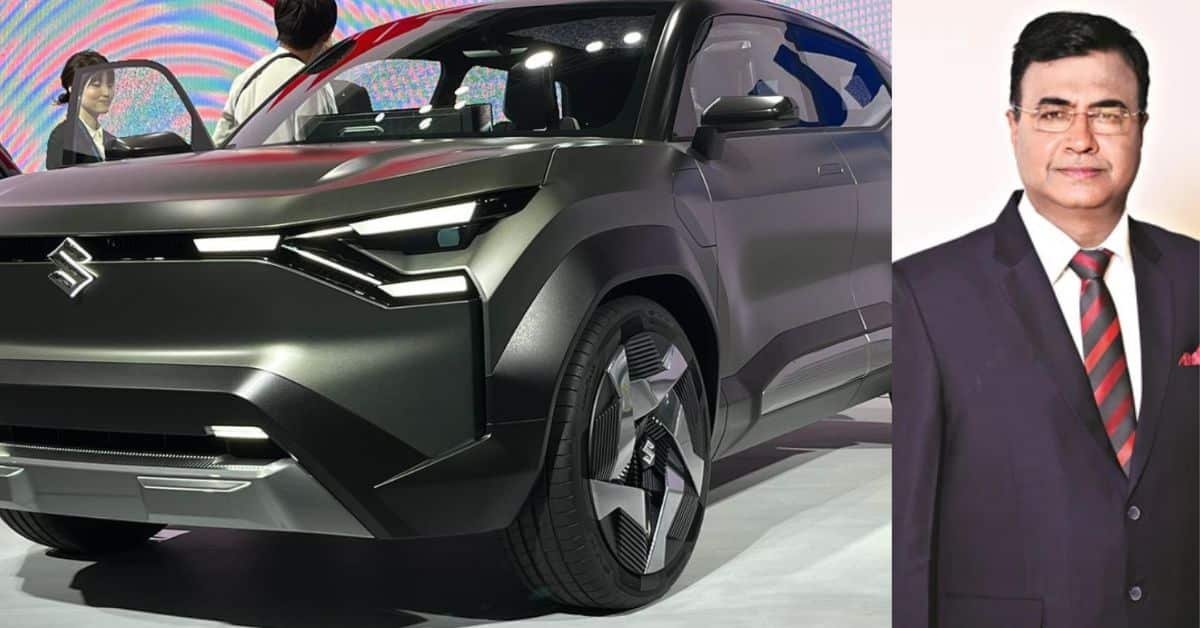

Maruti Suzuki, India’s largest automaker, has made it clear that it will not rush into the electric vehicle market simply to compete with rivals. Instead, the company is adopting a carefully structured approach that prioritises long-term sustainability, customer trust and ecosystem readiness. While automakers like MG are aggressively targeting EV buyers through festive and year-end benefits—explore more in this breakdown of MG discounts—Maruti believes the right EV entry must come at the right time.
A Thoughtful Approach to EV Launches
Maruti has showcased its first major EV for the Indian market, the e-Vitara, but has not yet revealed pricing or a final launch timeline. Company executives emphasize that entering the EV segment unprepared could damage customer confidence. Instead, Maruti aims to ensure its first EV delivers reliable range, strong safety, efficient charging support and service backup. This approach contrasts with some competitors who are launching EVs rapidly to capture early market share.
Charging Infrastructure and Service Integration
A major part of Maruti’s EV strategy involves building a wide-reaching support ecosystem. The company has already helped establish more than 2,000 public charging stations across over 1,100 cities—one of the most extensive networks by a single automaker in India. Additionally, more than 1,500 service workshops have been upgraded to EV-ready status, and nearly 1.5 lakh technicians have been trained to handle electric vehicle maintenance. This helps ensure that customers transitioning to EVs will not face the reliability and service-related concerns that early adopters typically experience.
e-Vitara: A Balanced and Practical EV Option
The upcoming e-Vitara promises a certified range of around 543 km, addressing the biggest concerns of first-time EV buyers: range anxiety and charging availability. The SUV will also introduce a unique Battery-as-a-Service (BaaS) model, giving buyers the flexibility to opt for battery subscription instead of full ownership. This can significantly reduce upfront cost and make the EV more accessible. If you’re exploring models with modern design and long-term relevance, it’s worth reading about the future-forward 2025 Tata Sierra, which reflects how automakers are reimagining iconic vehicles for electrified futures.
🚀 Join Our Tech Community!
Get the latest news, updates, and tech trends delivered straight to your phone. Never miss an update!
Long-Term Vision and Market Strategy
Maruti Suzuki acknowledges that it may enter the EV race later than competitors, but the company believes that a calculated entry will help it build a stronger and more reliable EV portfolio. According to leadership, “We might be late, but when we come, we will come with a roar”—a statement reflecting confidence in their long-term product and infrastructure strategy.
Conclusion
As Maruti prepares to finalize the pricing and full launch details of the e-Vitara, the automotive market is watching closely to see how the company’s thoughtful, customer-first strategy will shape India’s EV landscape. Those comparing options right now can check ongoing EV and SUV deals—like MG’s limited-time offers—to get a better sense of market positioning.