
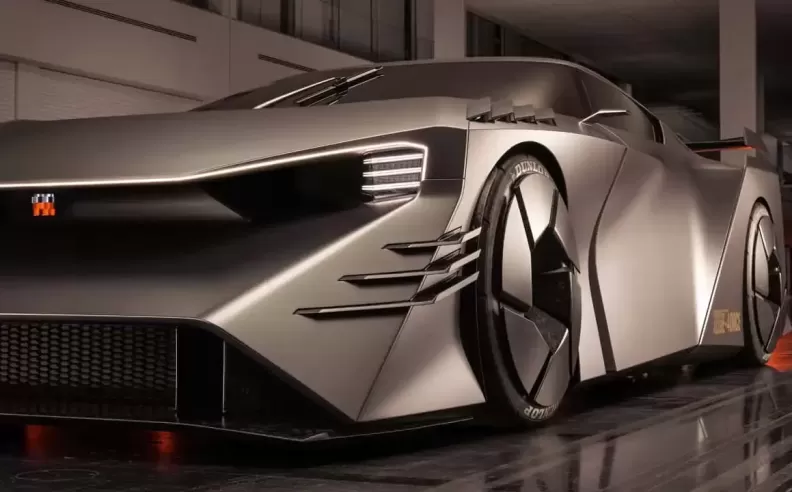
The iconic Nissan GT-R is set to make a comeback by the end of the decade, but with a major transformation. Nissan is reportedly planning to bring back the legendary performance car in a hybrid form, marking a new era for one of the most celebrated sports cars in automotive history.
Following the discontinuation of the R35 generation, the GT-R nameplate is now being reimagined to align with future mobility trends, including electrification and stricter global emission norms. Instead of going fully electric, Nissan is expected to adopt a hybrid approach to preserve the car’s performance identity.
The upcoming generation, often referred to as the R36, is likely to feature a hybrid powertrain combining a twin-turbo V6 engine with electric motor assistance. This setup is expected to deliver sharper acceleration, improved torque response, and better efficiency, while maintaining the raw driving experience that defines the GT-R.
One of the key reasons behind choosing a hybrid system over a fully electric setup is the limitation of current battery technology for high-performance applications. Sustained track performance, heat management, and weight concerns remain challenges for fully electric supercars. A hybrid system allows Nissan to balance performance and efficiency more effectively.
The new GT-R is also expected to benefit from motorsport-inspired technology. Nissan’s experience in endurance racing and hybrid systems could play a role in shaping the next-generation model, ensuring that it remains a technology-driven performance machine.
In terms of design, the future GT-R is likely to retain its aggressive and muscular styling while incorporating modern aerodynamic elements and advanced digital features. The focus will be on enhancing both performance and driver engagement, along with improved safety and connectivity features.
The expected timeline for the GT-R’s return is around 2030. This aligns with Nissan’s broader strategy of introducing more electrified vehicles globally while maintaining iconic models in its lineup.
The revival of the GT-R in hybrid form reflects a wider trend in the automotive industry, where performance cars are evolving to meet environmental regulations without losing their core identity. By combining traditional internal combustion power with electric assistance, manufacturers are creating a new generation of high-performance vehicles.
Overall, the return of the Nissan GT-R as a hybrid supercar represents a balance between legacy and innovation. While it embraces modern technology and sustainability, it is expected to stay true to its roots of delivering high performance and driving excitement.
