
Royal Enfield is steadily moving into higher-capacity territory, and the Himalayan 750 project is shaping up to be its most ambitious adventure motorcycle yet. While the current Himalayan 450 has already modernised the brand’s ADV lineup, the upcoming 750-class model is aimed at riders who want more power, better touring ability, and true long-distance comfort without stepping into ultra-expensive European territory.
Below is a clear, development-focused look at what the Himalayan 750 is likely to offer, and what it means for Indian and global ADV buyers.
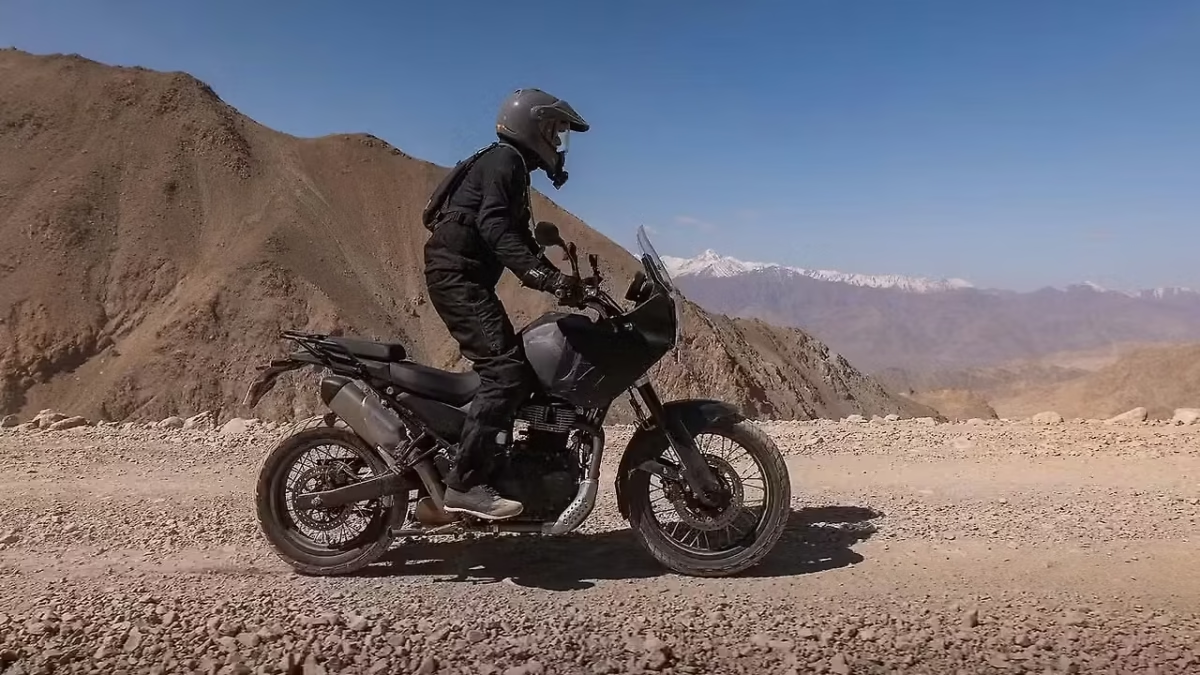
A New Step Above the Himalayan 450
The Himalayan 750 is expected to sit above the Himalayan 450, not as a replacement but as a premium alternative. Where the 450 focuses on approachability and everyday usability, the 750 is being developed as a serious long-distance adventure tourer.
Early test sightings and platform logic suggest Royal Enfield is targeting riders who:
- Tour extensively on highways
- Ride two-up with luggage
- Want more cruising power and stability
- Prefer a simpler, rugged ADV over tech-heavy premium imports
This positions the bike squarely in the middleweight adventure category.
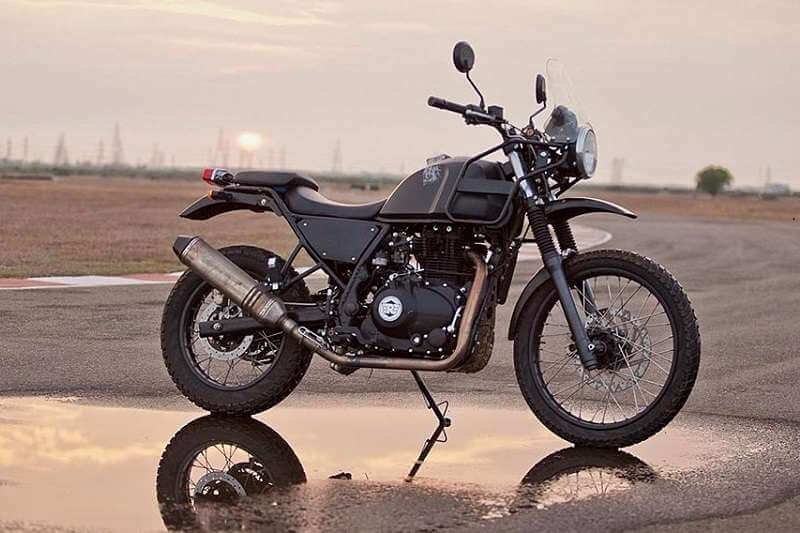
Engine Platform: Proven 750cc Twin Likely
At the heart of the Himalayan 750 is expected to be a 750cc parallel-twin engine, derived from Royal Enfield’s existing 650cc platform but significantly reworked.
What’s likely:
- Displacement around 750cc
- Parallel-twin layout for smooth highway cruising
- Higher torque output than the 650 twins
- Tuned for tractability, not peak performance
Rather than chasing outright horsepower numbers, Royal Enfield’s development philosophy suggests the engine will prioritise low- and mid-range torque, ideal for touring and light off-road work.
Chassis and Suspension: Built for Distance
Development mules point toward a new or heavily revised chassis, designed to handle the additional weight and power.
Expected highlights include:
- Longer wheelbase than Himalayan 450
- Stronger subframe for panniers and top boxes
- Upside-down front forks
- Rear monoshock with increased travel
- 19-inch or 21-inch front wheel (final spec yet to be seen)
The focus appears to be stability at speed and comfort over broken roads, rather than aggressive trail riding.
Touring-Focused Design Direction
Design cues seen during testing suggest a more mature, tour-centric ADV approach:
- Larger fuel tank for extended range
- Wider seat with improved cushioning
- Taller windscreen for highway wind protection
- Upright riding posture optimised for long hours
This reinforces the idea that the Himalayan 750 is being developed primarily as a continent-crossing motorcycle, not a lightweight off-road machine.
Electronics and Features: Functional, Not Excessive
Royal Enfield has been cautious with electronics, and the Himalayan 750 is expected to follow that pattern.
Likely inclusions:
- Ride-by-wire throttle
- Multiple riding modes
- Switchable traction control
- Dual-channel ABS (possibly with off-road mode)
- TFT display with navigation support
What’s unlikely:
- Radar-based systems
- Semi-active suspension
- Overly complex electronic aids
The goal appears to be reliability and ease of ownership, especially in remote riding conditions.
Expected Positioning and Price Bracket
The Himalayan 750 is expected to sit between mainstream middleweights and premium European ADVs.
Probable positioning:
- Above Himalayan 450
- Below BMW GS and Triumph Tiger 900 pricing
- Strong value-for-money proposition
While pricing is not confirmed, expectations place it in a reachable premium bracket, especially for Indian buyers looking to upgrade from 400–500cc machines.
Development Timeline and Launch Outlook
The bike is still in the development and testing phase, indicating that Royal Enfield is taking time to validate:
- Engine durability
- Heat management
- Long-distance comfort
- Load-bearing ability
A market launch is unlikely before late 2026, suggesting extensive real-world testing across terrains and climates.
What This Means for Adventure Bike Buyers
The Himalayan 750 represents Royal Enfield’s clearest signal yet that it wants to:
- Retain existing customers as they upgrade
- Offer a true long-haul ADV at accessible pricing
- Compete globally in the mid-capacity adventure segment
If executed well, it could become a default upgrade choice for riders who love the Himalayan ethos but want more power and touring comfort.
