
India’s road safety challenge is unlike that of any other major automotive market. Mixed traffic, inconsistent lane discipline, varying infrastructure quality, and unpredictable driving behaviour make global safety technologies difficult to deploy without deep localisation. This is where the recent partnership between Sterling Tools Limited and MINIEYE becomes especially significant for everyday driving safety in India.
Rather than focusing on headline-grabbing autonomous claims, this collaboration centres on adapting proven Advanced Driver Assistance Systems to real Indian conditions. The goal is not futuristic driving, but practical accident prevention that works on Indian roads, in Indian traffic, and for Indian drivers.
Why ADAS Has Struggled on Indian Roads
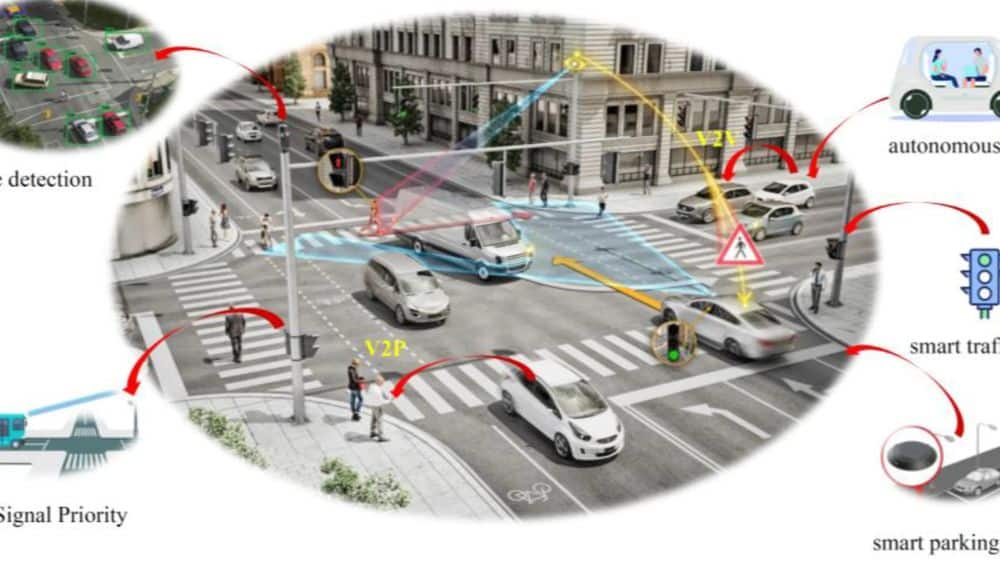
Most ADAS systems are originally developed and trained using data from structured road environments. Indian roads present very different challenges.
Common issues include
- Vehicles of different sizes sharing the same space without lane discipline
- Frequent pedestrian and animal crossings
- Sudden braking, wrong-side driving, and informal traffic behaviour
- Poor or inconsistent road markings
When ADAS systems are not tuned for these conditions, false alerts, missed detections, or driver frustration can occur. This has slowed widespread acceptance of safety technologies in mass-market vehicles.
The Sterling Tools–MINIEYE partnership directly addresses this gap by focusing on localisation rather than simple import of global systems.
What Makes This Partnership Different

This collaboration combines two complementary strengths.
Sterling Tools brings
- Local engineering expertise and manufacturing capability
- Deep understanding of Indian OEM requirements
- On-ground testing and validation experience
MINIEYE contributes
- Camera-based perception and intelligent driving algorithms
- Driver monitoring and attention systems
- Experience deploying safety solutions across multiple global markets
By working together, the companies aim to recalibrate ADAS features so they respond appropriately to Indian traffic behaviour instead of reacting based on assumptions from other regions.
ADAS Features That Impact Everyday Driving
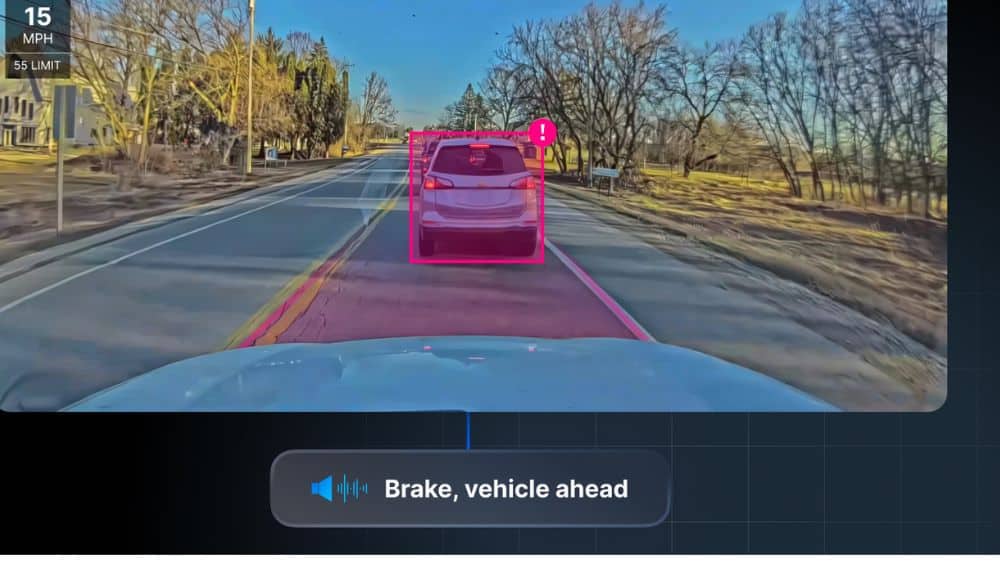
The technologies covered under this partnership are not experimental. They are practical safety systems that address common accident scenarios seen daily on Indian roads.
Key systems include
- Autonomous Emergency Braking to reduce rear-end collisions
- Forward Collision Warning for sudden slow-moving traffic
- Lane Departure Warning adapted for inconsistent lane markings
- Blind Spot Monitoring for dense multi-lane traffic
- Driver Drowsiness and Attention Warning Systems for fatigue detection
When tuned correctly, these features can reduce driver reaction time, prevent minor errors from turning into serious accidents, and improve overall situational awareness.
Why Timing Matters for India
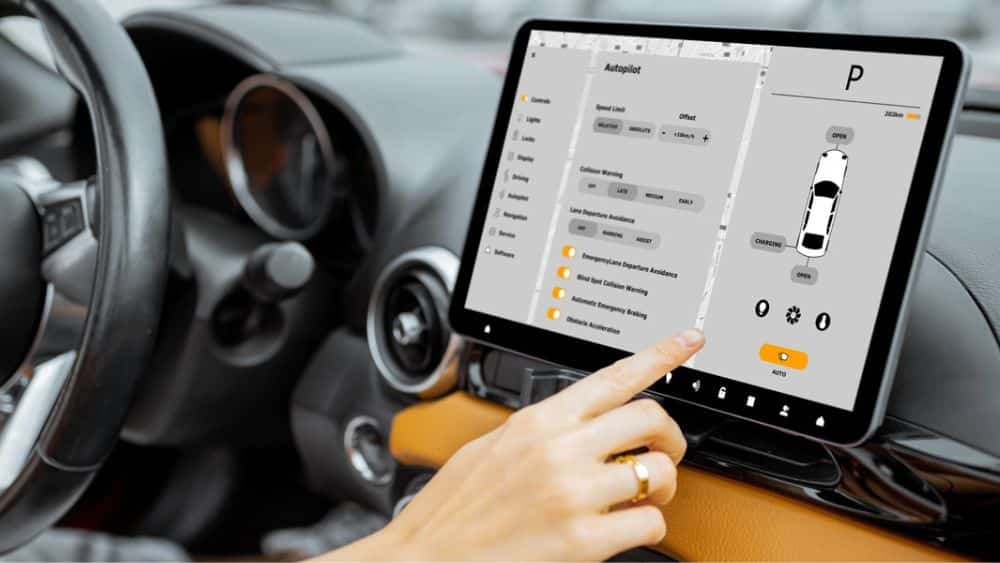
The timing of this partnership is critical. India is moving toward mandatory adoption of advanced safety technologies, including driver monitoring systems, starting from 1 January 2027 for new vehicle models.
This upcoming regulation is pushing OEMs to look beyond basic compliance and toward solutions that can perform reliably in real-world conditions. Localised ADAS development allows manufacturers to meet safety norms without compromising customer experience.
For drivers, this means safety features that feel helpful rather than intrusive.
Impact on Passenger and Commercial Vehicles
The collaboration is not limited to passenger cars. Commercial vehicles stand to gain significantly from driver monitoring and collision avoidance systems.
In commercial use cases
- Driver fatigue is a major contributor to accidents
- Long driving hours increase risk of inattention
- Heavy vehicles require earlier and more accurate warnings
Localised driver monitoring and emergency braking systems can directly reduce accident rates in logistics and public transport segments, improving safety not just for drivers but for everyone on the road.
How This Changes Everyday Driving Safety
For everyday drivers, the real impact of this partnership will be subtle but meaningful.
Drivers may experience
- Fewer unnecessary alerts triggered by Indian traffic behaviour
- More accurate warnings when real danger is present
- Improved trust in safety systems
- Gradual behavioural correction through consistent feedback
Instead of being seen as premium add-ons, ADAS features can become everyday safety companions that quietly reduce risk during routine commutes.
A Shift Toward India-First Safety Engineering
This partnership signals a broader shift in how safety technology is being developed for India. Rather than adapting Indian driving to global systems, global technology is being reshaped around Indian realities.
If executed effectively, this approach can accelerate wider adoption of ADAS across price segments and vehicle categories. Over time, it can also influence how future safety regulations and vehicle designs are shaped around actual on-road behaviour.
The Sterling Tools–MINIEYE collaboration represents a move away from one-size-fits-all safety solutions and toward India-first engineering. For a country with one of the highest road accident rates globally, this shift could quietly but significantly improve everyday driving safety.
