

Premium compact SUVs look like the perfect upgrade—strong road presence, better interiors, and the badge value many buyers want. But once the excitement of delivery fades, owners often discover a set of expenses that were never obvious during the buying decision. These hidden ownership costs are now one of the biggest reasons some buyers regret stretching their budget.
Higher Service Bills Than Expected
Most premium compact SUVs advertise reasonable service intervals, but the actual bills tell a different story. Labour rates at authorised service centres are noticeably higher than mass-market brands. Even routine services involve costlier engine oils, specialised diagnostic tools, and software updates.
Over five years, these costs add up quickly, especially when compared with similarly priced sedans or hatchbacks. This becomes even more pronounced for buyers choosing automatic variants, where long-term upkeep differs sharply from automatic cars 2026 commuter expectations.
Insurance and Add-On Costs Add Silent Pressure
Insurance is another area where premium compact SUV owners feel the pinch. Higher ex-showroom prices mean higher insurance premiums, but the real cost lies in add-ons. Zero depreciation cover, engine protection, and return-to-invoice plans are often necessary due to expensive body panels and electronics.
These aren’t optional if you want peace of mind, especially in urban driving conditions. Skipping them saves money short term but increases financial risk later.
Tyres, Brakes, and Wear Items Cost More
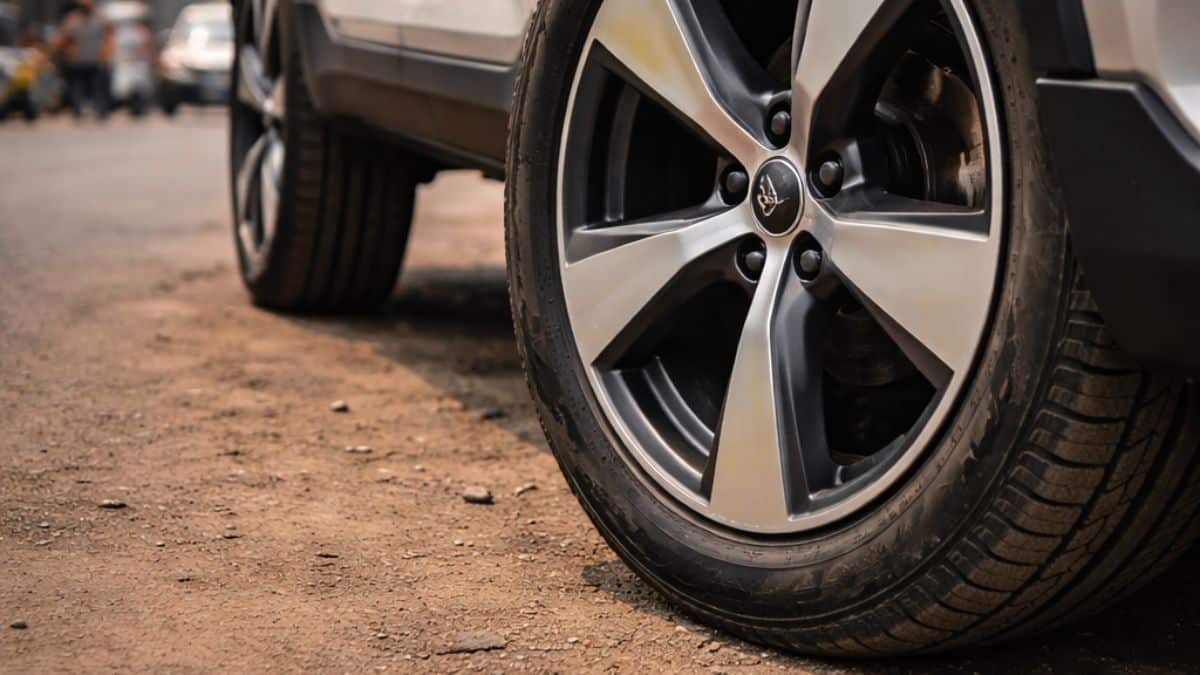
Premium compact SUVs usually ride on larger wheels with wider tyres. While this improves stance and grip, replacement costs are significantly higher. A full set of tyres can cost nearly double compared to non-SUV body styles.
Brake pads and discs also wear faster due to heavier vehicle weight and frequent city driving. Owners upgrading from hatchbacks often underestimate how quickly these expenses appear in real-world usage.
Fuel Efficiency Drops in Real Conditions
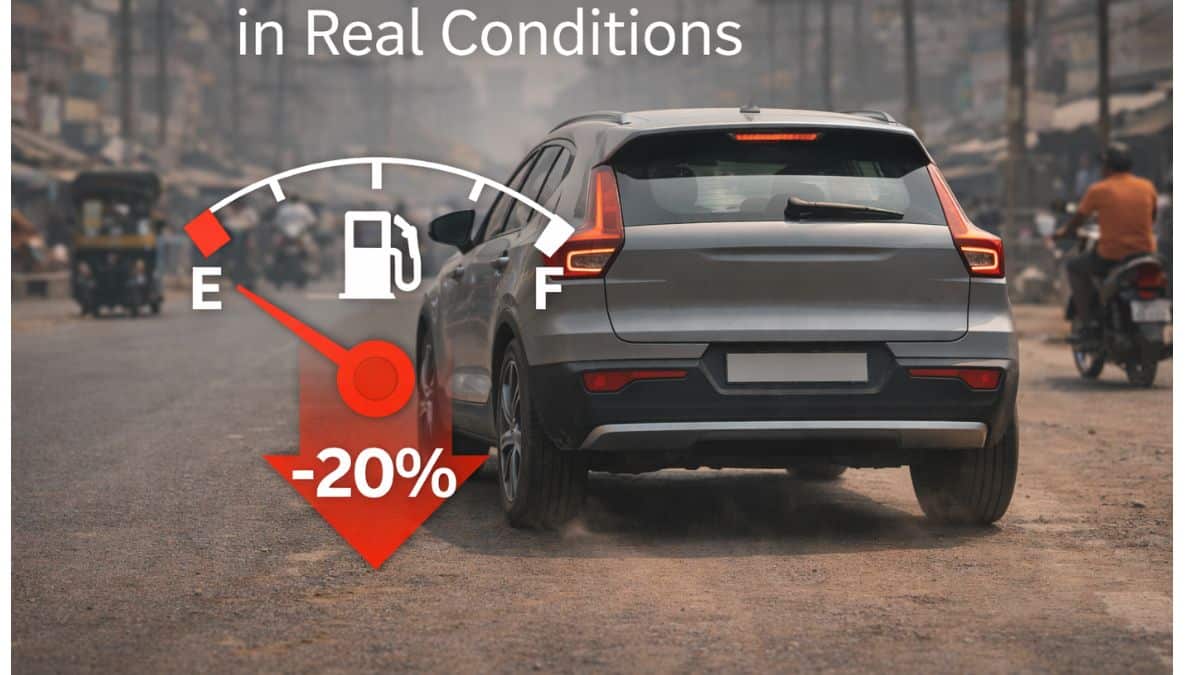
On paper, many premium compact SUVs claim respectable fuel efficiency. In reality, city traffic, automatic gearboxes, and heavier kerb weight reduce mileage noticeably. This widens the gap between expected and actual running costs, especially for daily commuters.
Over time, this difference becomes clear when comparing 5-year maintenance costs across fuel types and body styles, where compact SUVs quietly emerge as more expensive to live with.
Depreciation Isn’t Always “Premium”
Despite higher purchase prices, resale value doesn’t always scale proportionately. Feature-heavy variants age faster as newer updates arrive, and buyers become wary of post-warranty repair costs. Models perceived as “tech-loaded” today may feel risky in the used market tomorrow.
This depreciation effect hits hardest when owners plan to sell within four to six years, assuming the badge alone will protect resale value.
Who Should Still Buy a Premium Compact SUV
These vehicles still make sense for buyers who value seating position, safety features, and interior quality—and who plan long-term ownership. For short ownership cycles or tight monthly budgets, the hidden costs can outweigh the perceived upgrade.
Understanding these expenses upfront helps buyers avoid financial strain and make a decision that aligns with actual usage rather than showroom appeal.
