
The global electric vehicle market is entering a significant shift in dynamics in 2026, with new leaders emerging and competition reshaping how EVs are bought, sold and produced worldwide. After years of rapid growth and dominance by a few marquee brands, the EV landscape is now becoming more competitive, diverse and regionally varied.
One of the most notable developments is that BYD Auto has overtaken Tesla as the world’s top electric vehicle seller in 2025, with BYD’s total EV sales reaching an estimated 2.26 million vehicles compared with Tesla’s 1.64 million deliveries.
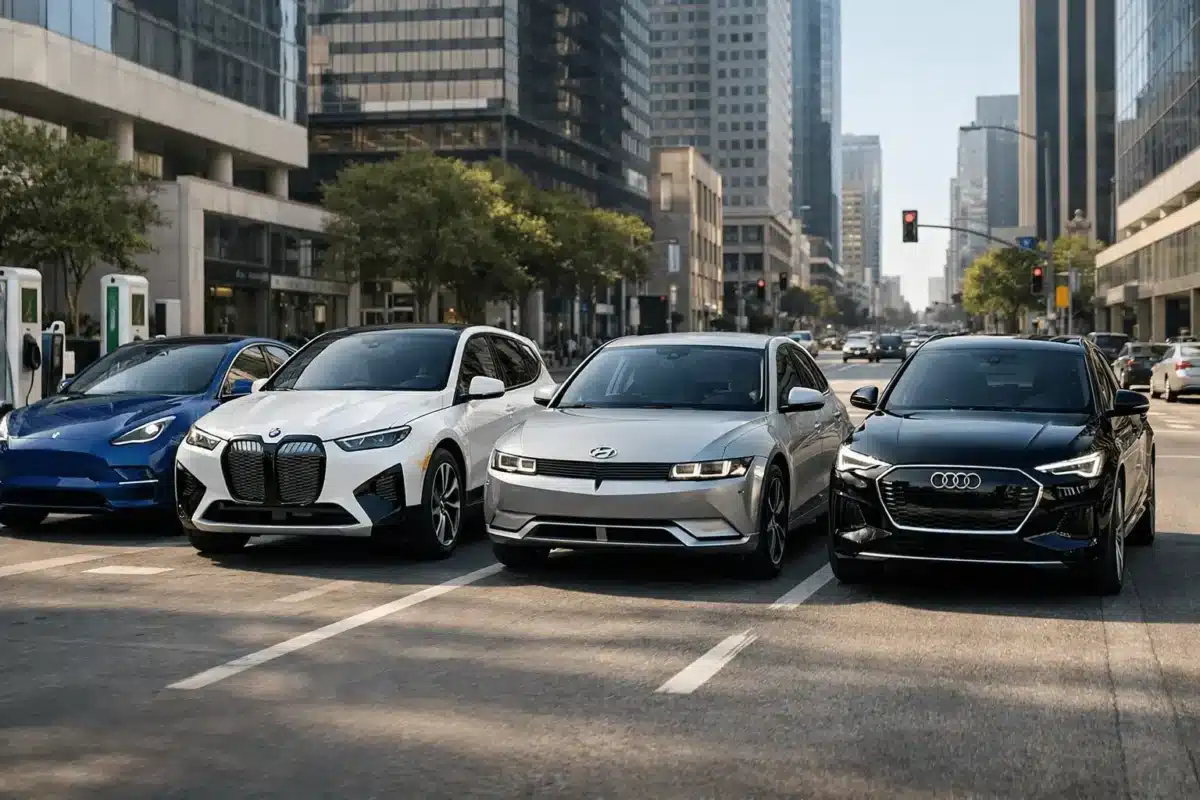
The rise of BYD underscores the increasing strength of Chinese and other regional EV manufacturers, particularly in markets where affordable and diversified electric models are gaining traction. BYD’s expanded lineup, including both full-battery and plug-in hybrid options, has appealed to a wider range of buyers, and its export growth has further boosted global sales.
Why the shift is happening
Several factors are contributing to the changing EV sales dynamics:
- Policy and incentive shifts in key markets : In the U.S, the phasing out of some EV tax credits has dampened demand in certain segments, while other regions continue supportive policies.
- Broader model availability : A surge in compact and affordable EV variants has expanded consumer choice, enabling buyers in emerging and price-sensitive markets to adopt electric vehicles more readily.
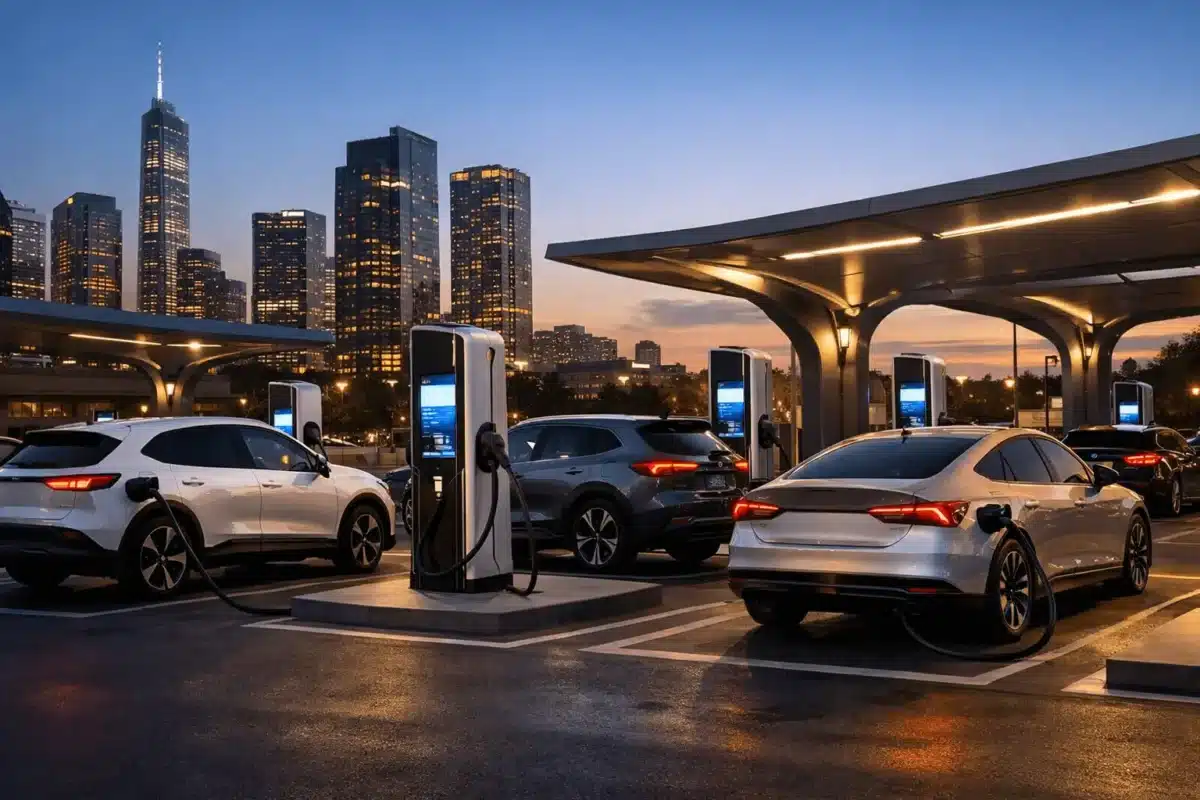
- Infrastructure development : Charging networks and related ecosystems are expanding, supporting increased EV usage and reducing practical barriers for daily commuting and long-distance travel.
Market implications
The shift in sales leadership and evolving competition suggests that the EV market is moving beyond early adopters into a more mature phase, where performance, price, product variety and regional preferences play critical roles. Analysts note that:
- Sales growth remains strong in many regions despite headwinds in certain markets.
- Manufacturers from Asia and Europe are challenging traditional EV leaders, giving consumers more choices across price points and segments.
- The EV fleet is expected to continue expanding rapidly, with data indicating the global EV fleet could exceed 116 million vehicles by 2026, driven by both passenger and commercial electrification trends.
Why this matters to buyers
For potential EV buyers, the changing sales landscape signals that more options, better pricing, and diverse features will be available in 2026 than ever before. Whether customers prioritise range, affordability, premium experience, or local support, the competitive environment is likely to benefit end users through innovation and choice.
As global electrification goals remain intact even in the face of policy and market shifts the EV market’s transformation will continue to shape how people choose their next vehicle.
