
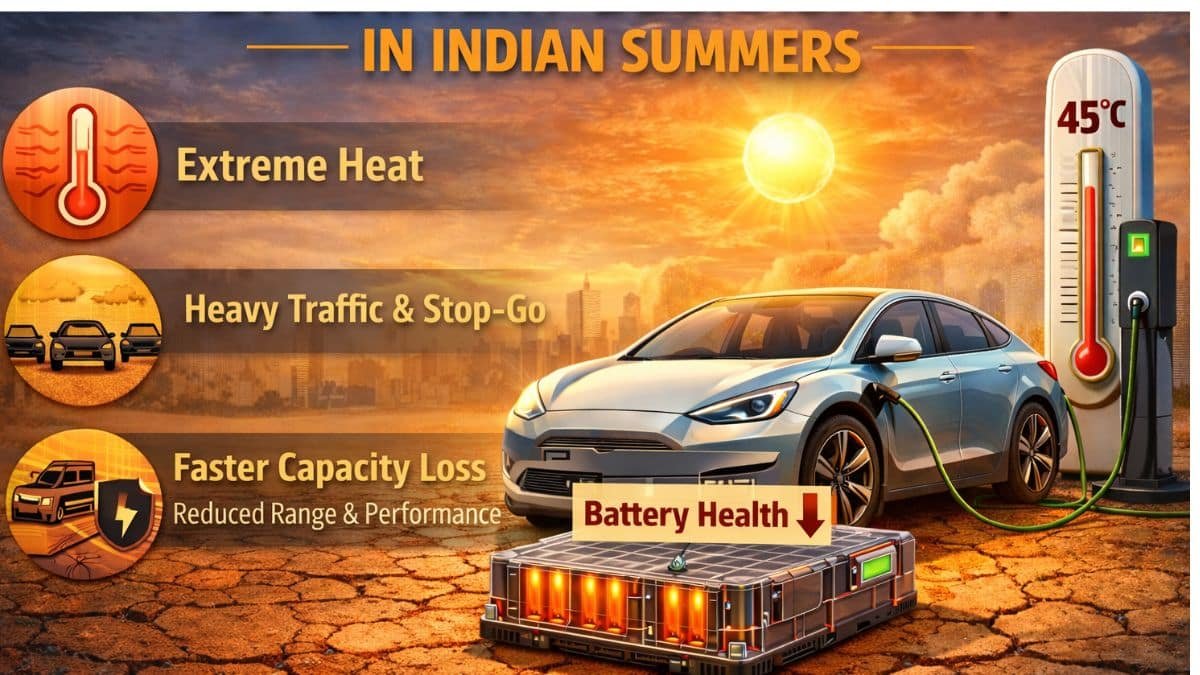
Electric vehicles promise low running costs and a quieter, cleaner drive. But for Indian buyers, one question is becoming increasingly important: how well do EV batteries actually hold up after years of heat, traffic, and daily charging? After three Indian summers, the answer is clearer—and more nuanced—than most brochures suggest.
Why Indian Summers Are Tough on EV Batteries
India’s climate is uniquely demanding. Long idle times in traffic, high ambient temperatures, and inconsistent charging infrastructure all stress lithium-ion batteries in ways colder markets never experience. Unlike mild European conditions, Indian summers routinely push surface temperatures past safe thermal thresholds, forcing battery management systems to work overtime.
Heat accelerates chemical aging inside the battery. Even when you don’t notice an immediate drop in range, microscopic degradation is already happening. This is why many owners report subtle changes after the second year rather than dramatic failures.
What Three Summers Actually Do to EV Range
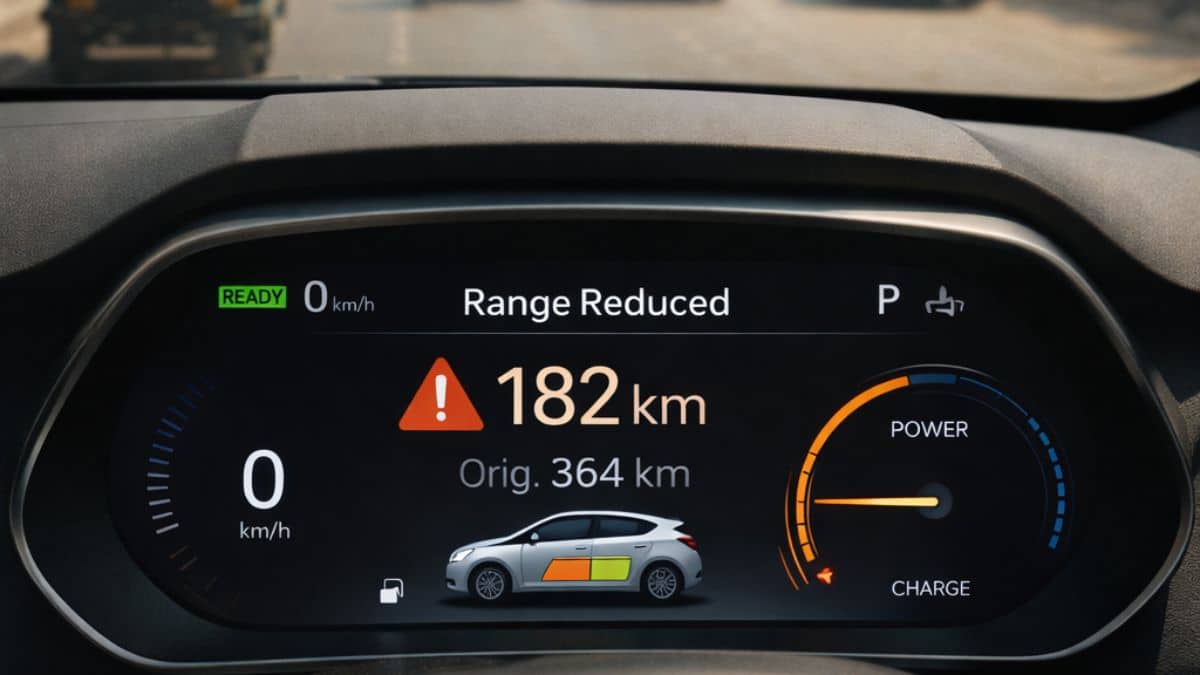
In real ownership scenarios, most EVs lose between 8–12% of their usable range after three summers, assuming mixed city use and regular fast charging. Vehicles used primarily for short urban commutes fare better than those exposed to daily highway fast-charging cycles.
The impact is more noticeable in cities where overnight parking lacks shade or ventilation. Constant exposure to high temperatures while parked can be just as damaging as aggressive driving. This matters even more today, as resale values becoming a bigger decision factor pushes buyers to evaluate long-term battery health instead of just claimed range figures.
Charging Habits That Accelerate Degradation
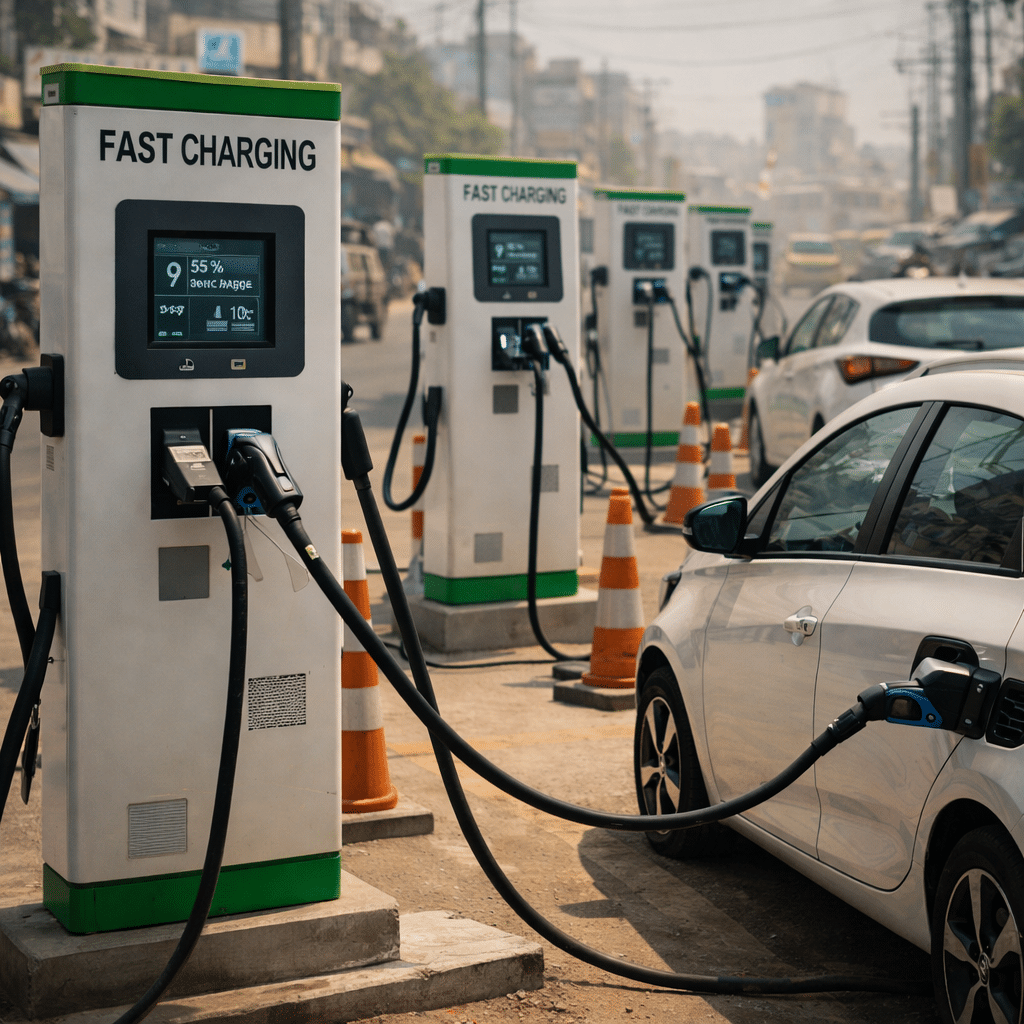
Not all degradation is unavoidable. Owner behaviour plays a massive role. Frequent DC fast charging, especially when the battery is already warm, speeds up capacity loss. Similarly, keeping the battery at 100% for long periods—common with overnight charging—adds unnecessary stress.
Slow AC charging, partial top-ups, and avoiding extreme charge levels can significantly slow degradation. Many experienced owners now treat EV batteries more like smartphones: charge smart, not just fast.
Battery Health vs Perceived Performance
One reason EV battery degradation feels confusing is that software masks early losses. Manufacturers often reserve a buffer within the battery pack, so the car feels “normal” even as capacity drops. The real impact shows up later, when resale buyers start checking diagnostic reports.
This shift mirrors trends seen after facelift announcements impact used-car demand, where buyers suddenly become more sensitive to age and technical relevance rather than cosmetic condition alone.
How Degradation Affects Resale and Ownership Costs
Battery health is now one of the first things serious used-EV buyers ask about. A vehicle with documented gentle charging habits and lower heat exposure commands noticeably higher resale prices. In contrast, cars with heavy fast-charging histories or unclear battery data face sharper depreciation.
This makes EV ownership planning critical. While routine maintenance remains cheaper than petrol cars, battery longevity directly influences total cost of ownership. As the market matures, transparency around battery health reports will become non-negotiable.
What Prospective Buyers Should Do Differently
If you’re buying an EV today, think beyond year one. Choose models with robust thermal management, avoid treating fast chargers as daily fuel stations, and plan parking with heat exposure in mind. For used EV buyers, insist on battery health data, not just range claims.
The reality is encouraging: most modern EV batteries survive Indian summers reasonably well when treated correctly. But neglect and poor charging habits can turn a good EV into an expensive compromise faster than expected.
