
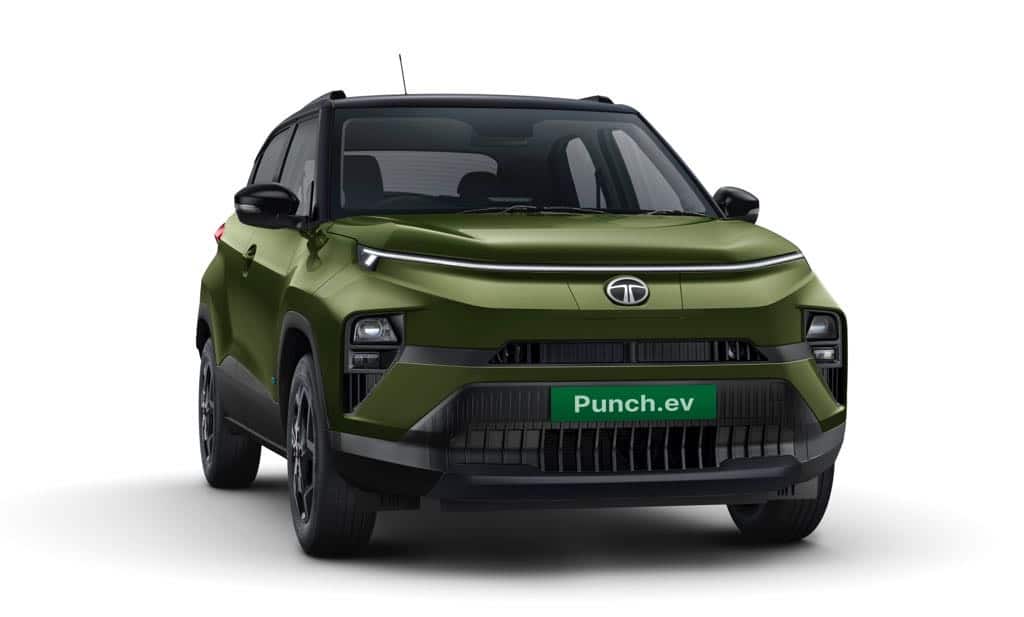
A facelift launch always creates confusion for buyers who were already planning to purchase a car. On one side, the new version promises updated looks and features. On the other, the outgoing model suddenly becomes cheaper and easier to buy. The real question is not which version is “newer,” but which one makes more sense for your usage, budget, and ownership plans in India.
This decision matters because facelift updates are usually incremental. They rarely change the core mechanical package, yet they can influence pricing, resale value, and ownership satisfaction in very different ways.
What a Facelift Usually Changes and What It Doesn’t
Most facelift launches focus on visible upgrades. Expect refreshed headlights, revised bumpers, new alloy designs, and small interior tweaks like a larger touchscreen or updated upholstery. Safety features may see a minor bump, such as the addition of standard airbags or new driver assistance features.
What usually stays the same is the engine, gearbox, platform, and overall driving character. Fuel efficiency figures rarely see major improvements. Ride quality, steering feel, and long-term reliability remain largely unchanged because the mechanical base is carried over.
This is why the “new vs old” debate is often more about perception and features than about real-world performance.
Price Difference Is the First Big Decision Point
After a facelift launch, manufacturers typically increase prices. Even a modest feature update can come with a noticeable price hike. At the same time, dealerships start offering discounts on the outgoing model to clear stock.
For budget-focused buyers, this price gap can be significant. The outgoing model may offer savings that run into tens of thousands of rupees, sometimes more depending on the segment. These savings can be redirected towards insurance, accessories, extended warranty, or even fuel costs for the first year.
If the facelifted model pushes the car close to the next segment’s pricing, the value equation starts to tilt in favour of the older version.
Feature Value Versus Real Usage
New features look attractive on paper, but not all of them improve daily ownership. A larger touchscreen or connected tech may not change how you drive or maintain the car. Cosmetic updates also lose their novelty quickly.
However, if the facelift introduces meaningful safety upgrades or fixes a known weakness of the outgoing model, waiting can make sense. Buyers who prioritise the latest tech or improved safety ratings may find the updated version worth the premium.
The key is to separate “nice to have” from “must have” features. If your essential needs are already met by the outgoing model, paying extra for cosmetic changes may not be necessary.
Discounts, Availability, and Negotiation Power
One overlooked advantage of buying the outgoing model is negotiation. Dealers are more flexible when clearing older stock. You are more likely to get benefits such as lower insurance premiums, faster delivery, and bundled accessories.
Waiting periods are usually shorter as well. In contrast, newly launched facelift models often come with waiting lists, especially in the first few months. If you need a car urgently, the outgoing version can be a practical choice.
That said, availability can be limited to certain colours or trims. If you are very specific about configuration, waiting for the facelift may give you more choice in the long run.
Resale Value and Ownership Horizon
Resale value depends heavily on how long you plan to keep the car. If you intend to sell within three to four years, the facelifted model may hold value slightly better because it will still look “current” in the used car market.
For long-term owners who plan to keep the car for seven to ten years, the difference in resale value becomes less important. In such cases, the upfront savings from the outgoing model often outweigh any future resale advantage of the facelift.
Depreciation is steepest in the first few years. Buying at a discounted price can soften that initial hit.
Reliability and First-Batch Concerns
The outgoing model has a proven track record. Most early issues, recalls, or software bugs are already known and addressed. Service centres are familiar with common problems and fixes.
Facelift models, while mechanically similar, may introduce new electronics or software that take time to stabilise. Early buyers sometimes act as unofficial testers. If peace of mind is a priority, the older version offers a more predictable ownership experience.
Who Should Buy the Outgoing Model Now
The outgoing model makes sense for buyers who want maximum value for money, prefer lower upfront costs, and plan to keep the car long term. It is also ideal for those who are not overly concerned about having the latest design or features.
If discounts are attractive and the car meets your core needs today, waiting may not add meaningful benefits.
Who Should Wait for the Facelift
Waiting is sensible if the facelift introduces important safety upgrades, fixes a major drawback, or adds features you genuinely care about. Buyers who value the latest styling, plan to resell sooner, or want a longer product lifecycle ahead may find the new version more satisfying.
It also makes sense to wait if current discounts are minimal and the price gap is small.
Final Buying Advice
There is no universal right answer. The smarter decision depends on how much extra the facelift costs and what it gives you in return. In many cases, the outgoing model offers better value and fewer surprises. In others, the facelifted version justifies the wait with meaningful improvements.
Instead of reacting to the excitement of a launch, compare what you gain, what you pay, and how long you plan to own the car. That clarity usually leads to the right choice.
