
Hybrid cars in India are no longer limited to niche buyers. They have become a practical and intelligent choice for customers who want better mileage, lower emissions, and modern technology without fully switching to electric vehicles. As the Indian automobile market moves toward sustainable mobility, strong hybrid cars are emerging as one of the most balanced solutions between petrol vehicles and battery electric cars.
What Is a Hybrid Car and How Does It Work
A hybrid car uses two power sources: a petrol engine and an electric motor supported by a lithium ion battery pack. The system automatically decides whether to run on electric power, petrol power, or a combination of both depending on driving conditions.
In city traffic, the vehicle often runs in electric mode at low speeds. During acceleration or highway driving, the petrol engine supports the electric motor. The battery recharges automatically through regenerative braking and engine power, which means there is no need for external charging. This self charging hybrid system improves fuel economy, reduces carbon emissions, and delivers smoother performance compared to conventional petrol cars.
Why Hybrid Cars Are Ideal for Indian Driving Conditions
Indian roads present unique challenges such as heavy traffic congestion, frequent braking, and mixed urban highway usage. Hybrid vehicles perform efficiently in such conditions because the electric motor assists during stop and go traffic, significantly lowering fuel consumption.
Unlike plug in hybrid or fully electric vehicles, strong hybrid cars do not rely on EV charging infrastructure. Drivers can refuel at any petrol pump, eliminating range anxiety. This makes hybrids particularly suitable for Tier 2 and Tier 3 cities where public charging networks are still developing.
Best Hybrid Cars in India
Toyota Innova Hycross Hybrid
The Toyota Innova Hycross Hybrid is one of the most popular strong hybrid MPVs in India. It combines spacious family comfort with advanced hybrid powertrain technology.
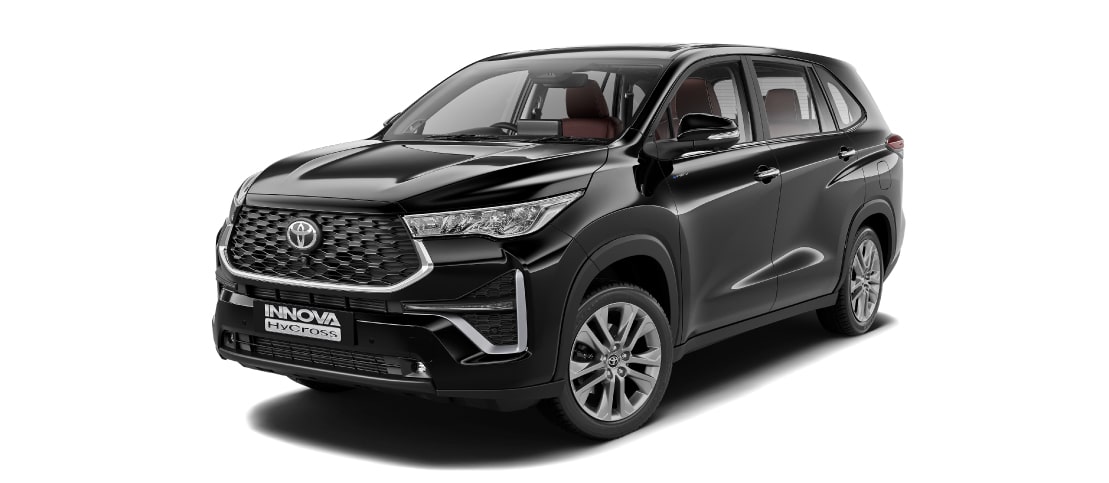
Despite being a large seven seater vehicle, it delivers impressive mileage figures for its size. The electric drive enhances refinement in city traffic, while the petrol engine ensures confident highway cruising. It is ideal for large families seeking fuel efficiency without compromising on comfort.
Maruti Suzuki Grand Vitara Strong Hybrid
The Maruti Suzuki Grand Vitara Strong Hybrid introduced affordable hybrid SUV technology to the mid size segment. Designed for urban families, it offers a balance of efficiency, practicality, and modern features.

In daily commuting conditions, the vehicle frequently operates in electric mode, reducing fuel usage and running costs. For buyers comparing hybrid vs petrol SUVs, this model clearly demonstrates the benefits of strong hybrid systems.
Honda City eHEV
The Honda City eHEV represents advanced hybrid engineering in the sedan category. Its intelligent hybrid system often allows the electric motor to power the wheels while the petrol engine acts as a generator.

This configuration results in smooth acceleration, quiet cabin experience, and excellent fuel efficiency. For sedan buyers looking for eco friendly cars with premium driving comfort, the City eHEV is a strong contender.
Toyota Urban Cruiser Hyryder Hybrid
The Toyota Urban Cruiser Hyryder Hybrid combines compact SUV practicality with proven hybrid battery technology. It shares a similar powertrain architecture with other strong hybrid SUVs but benefits from Toyota’s global hybrid expertise.

Its efficient energy management system and low fuel consumption make it suitable for daily city use and weekend highway travel.
Fuel Efficiency and Long Term Cost Benefits
One of the biggest advantages of hybrid cars is improved fuel economy. In real world driving conditions, especially in traffic heavy cities, strong hybrid vehicles consume less petrol compared to traditional internal combustion engine cars.
Lower fuel consumption translates into reduced running costs over time. Although hybrid cars may have a slightly higher initial price, long term savings in fuel expenses and strong resale value make them financially sensible for many buyers.
Hybrid vs Electric Cars in India
When comparing hybrid vs electric cars in India, the decision depends on infrastructure and usage pattern. Electric vehicles offer zero tailpipe emissions and lower per kilometer running costs but require reliable charging infrastructure.
Hybrid cars provide better mileage than petrol vehicles without depending on charging stations. For buyers who travel long distances or do not have access to home charging, hybrid vehicles offer greater flexibility and convenience.
Maintenance, Battery Life, and Reliability
Modern hybrid battery packs are designed for durability and typically come with extended warranty coverage. Maintenance requirements are similar to conventional petrol vehicles, with regular servicing of the engine and periodic system checks.
Globally, hybrid systems have demonstrated strong reliability records. As adoption grows in India, service networks and technical expertise continue to improve.
Who Should Buy a Hybrid Car
Hybrid cars are suitable for city commuters, family users, and drivers with mixed urban and highway usage. They are particularly beneficial for people who want to reduce fuel consumption and emissions without fully transitioning to electric mobility.
If your daily drive includes traffic congestion and moderate annual mileage, a strong hybrid SUV or hybrid sedan can provide an optimal balance of performance, efficiency, and convenience.

1 thought on “Best Hybrid Cars in India 2026: Top Fuel Efficient SUVs and Sedans You Should Buy”